
Signs your home needs electrical repair: A practical guide
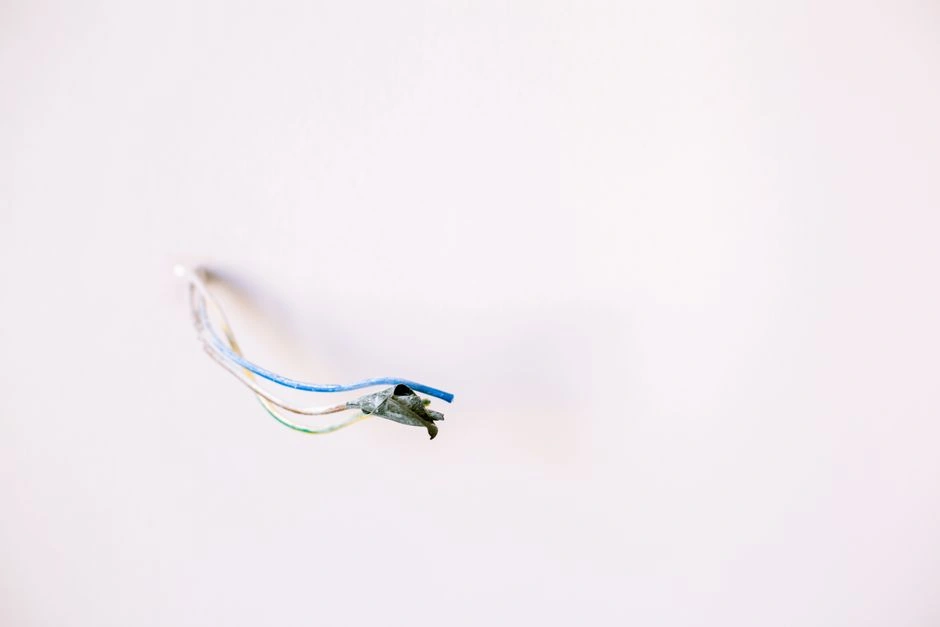
How to Tell If Your Home Needs Electrical Repair
Knowing the signs your home needs electrical repair could be the difference between a quick fix and a serious safety emergency. Here are the most common warning signs to watch for:
- Flickering or dimming lights — often signals loose wiring or overloaded circuits
- Frequent circuit breaker trips — may indicate overloaded circuits, short circuits, or an aging panel
- Burning smell from outlets or panels — a serious red flag requiring immediate action
- Warm, discolored, or buzzing outlets — can mean loose connections or dangerous arcing
- Sparks when plugging in devices — points to faulty wiring or outlet damage
- Mild shocks when touching outlets or switches — suggests grounding or wiring problems
- Dead outlets or switches — may signal tripped breakers, loose wiring, or deeper faults
- Outdated wiring or fuse boxes — especially in homes built before 1978
- Frequent power surges — can degrade appliances and indicate unstable wiring
- Unusually high electricity bills — may reflect wiring inefficiencies or a failing system
Your home's electrical system works quietly in the background every single day — powering your appliances, keeping the lights on, and charging the devices your family depends on. Most homeowners don't think about it until something goes wrong. But electrical problems rarely appear out of nowhere. They tend to show warning signs first — and catching them early can prevent fires, protect your family, and save you from far more costly repairs down the road. In fact, electrical failures are the second leading cause of home fires in the United States, with roughly 51,000 residential electrical fires occurring each year, causing over 500 deaths and $1.3 billion in property damage annually.
I'm Matthew Palmieri, founder of My Happy Home, and with a background spanning electrical systems, HVAC, smart home technology, and contractor operations, I've seen how easy it is for homeowners to overlook the early signs your home needs electrical repair — often until a minor issue becomes a costly emergency. In the sections below, I'll walk you through exactly what to look for so you can stay ahead of problems before they affect your family's safety and comfort.

10 Critical Signs Your Home Needs Electrical Repair
When it comes to the safety of our families in O'Fallon, MO, we shouldn't have to play a guessing game with our wiring. Many home electrical problems don't sneak up on you; they leave breadcrumbs. Identifying these signs your home needs electrical repair early is the best way to ensure your "castle" remains a safe haven.
Flickering Lights and Frequent Power Surges
We’ve all seen it: you turn on the vacuum or the microwave, and for a split second, the living room lamps dim. While a minor dip might seem like a quirk of an older house, persistent flickering or dimming often indicates that your home is struggling to distribute power. This can be caused by loose wiring connections or circuits that are simply overloaded by modern demands.
Frequent power surges are another red flag. While external surges from the utility company or lightning happen, about 60% to 80% of power surges actually originate inside your home when large appliances cycle on and off. If your digital clocks are constantly resetting or your LED bulbs are burning out prematurely, your system may need a professional Electrical Repair Service to stabilize the flow of electricity.
Buzzing Sounds and Warm Wall Plates
Electricity should be seen and used, but never heard or felt. If you hear a buzzing, humming, or crackling sound coming from an outlet or switch, it’s a sign of "arcing." This happens when electricity jumps across a gap in a loose or damaged connection. Arcing is incredibly dangerous because it can reach temperatures over 10,000 degrees Fahrenheit, which is more than enough to ignite the wooden studs behind your drywall.
Similarly, wall plates should never feel warm to the touch. If an outlet is vibrating or feels hot—even when nothing is plugged in—it indicates a high level of electrical resistance or a failing connection. Understanding How a Modern Panel Improves Your Home Safety can help you see why upgrading these components is vital for preventing heat damage and potential fires.
Persistent Circuit Breaker Trips
Your circuit breakers are designed to be the "good guys." They trip to shut off the power when they detect a dangerous situation, such as a short circuit or an overloaded line. However, if you find yourself walking to the garage or basement to flip a switch once a week, that’s not normal behavior—it’s a cry for help.
Frequent trips usually mean your home’s electrical capacity can’t keep up with your lifestyle. It could also point to a ground fault, where electricity is escaping its intended path. If your breakers are acting up, it’s time to look for Signs Your Electrical Panel Needs an Upgrade to ensure your home can safely handle the load.
The Dangers of Outdated Wiring and Aging Panels
In O'Fallon and the surrounding areas, we have a beautiful mix of historic charm and modern construction. However, if your home was built several decades ago, its internal "nervous system" might be reaching its expiration date. Electrical wiring naturally degrades over time due to heat, age, and even pests like mice that may chew through insulation.
Recognizing Signs Your Home Needs Electrical Repair in Older Properties
Homes built before 1978 are significantly more likely to have wiring that simply wasn't designed for the way we live in May 2026. For example, homes built between 1965 and 1973 often used aluminum wiring. According to the U.S. Consumer Product Safety Commission, these homes are 55 times more likely to suffer fire damage than those with copper wiring. Aluminum expands and contracts more than copper, which leads to loose connections and dangerous arcing over time.
Other hazards in older properties include:
- Knob and Tube Wiring: Found in very old homes, this system lacks a ground wire and uses cloth insulation that becomes brittle and flakes off.
- Two-Prong Outlets: These indicate a lack of proper grounding, leaving your sensitive electronics (and your family) vulnerable to shocks.
- Insulation Degradation: Over decades, the protective coating on wires can dry out and crack, exposing live wires to combustible materials.
If you are living in an older property, an Electrical Installation Upgrade isn't just a home improvement project—it’s a critical safety necessity.
- Feature: Fire Risk; Copper Wiring: Low (Industry Standard); Aluminum Wiring: 55x Higher than Copper
- Feature: Stability; Copper Wiring: Excellent; stays tight; Aluminum Wiring: Poor; expands/contracts with heat
- Feature: Modern Standards; Copper Wiring: Required for new builds; Aluminum Wiring: Generally discouraged/requires special connectors
- Feature: Durability; Copper Wiring: High; resists corrosion; Aluminum Wiring: Prone to oxidation and loosening
Why Outdated Panels Struggle with 2026 Technology
Even if your wiring is okay, your electrical panel (the "brain" of the house) might be the weak link. Most panels have a lifespan of 25 to 50 years. If your home still uses a fuse box—where you have to physically replace a glass fuse when it "blows"—you are likely underpowered for today’s needs.
Furthermore, certain brands of panels installed in the 70s and 80s, such as Federal Pacific or Zinsco, have been found to have high failure rates, where the breakers fail to trip even during a surge. This creates a massive fire hazard. Exploring the Electrical Panel Upgrade Benefits can show you how a modern system provides better protection and more consistent power.
How Modern Technology Impacts Your Electrical System
The way we use electricity has changed drastically even in the last few years. In 2026, our homes are packed with high-demand devices that our grandparents never imagined. From high-end gaming PCs and smart refrigerators to the rapid adoption of electric vehicles, the "load" on our systems is at an all-time high.
Identifying Signs Your Home Needs Electrical Repair After Upgrading Appliances
Have you recently installed a new HVAC system, a hot tub, or an EV charger? These upgrades often require a significant amount of power. If you notice your lights dimming specifically when these items kick on, your system is likely experiencing a "voltage drop."
Modern high-power devices often require dedicated circuits. This means the appliance has its own direct line to the breaker panel, ensuring it doesn't "steal" power from other outlets. If you're adding new tech to your home, you should consider How a Panel Upgrade Supports Modern Electrical Demands to prevent overloading your existing infrastructure. In many cases, this involves knowing When to Upgrade from 100 Amp to 200 Amp Service to accommodate your growing needs.
The Importance of Professional Inspections and Licensed Electricians
We know the DIY spirit is strong, but electrical work is one area where "giving it a go" can have devastating consequences. Licensed electricians are trained to follow the National Electrical Code (NEC), which is a set of rigorous standards designed to keep buildings safe.
When you hire a professional, they don't just fix the visible problem; they look for the root cause. A "dead" outlet might not just be a broken socket—it could be a sign of a burnt wire deep inside your wall. By choosing a vetted professional through a service like My Happy Home, you ensure the job is done right the first time. If you're wondering about the Electrical Panel Upgrade Process What to Expect, a professional can walk you through the permits, the installation, and the final safety testing.
Frequently Asked Questions About Electrical Safety
Why does my outlet smell like it is burning?
A burning smell—often described as smelling like fish, urine, or burnt plastic—is a major emergency. This scent usually comes from the plastic insulation or the outlet casing itself melting due to extreme heat. If you smell this, shut off the power at the main breaker immediately and call a professional. Do not attempt to unplug devices from that outlet, as the heat may have already fused the plug to the socket.
Is it normal for my lights to dim when the AC turns on?
While a very slight, momentary flicker can be common in older homes (due to "inrush current"), persistent dimming is a sign of an overloaded circuit. It means your air conditioner is pulling so much power that there isn't enough left for the lights. This puts stress on your AC motor and your wiring. A professional evaluation can determine if you need a dedicated circuit or a panel upgrade to handle the capacity.
What are the risks of ignoring minor electrical shocks?
There is no such thing as a "friendly" electrical shock. If you feel a tingle or a zap when touching an appliance, a metal switch plate, or a faucet, it means electricity is "leaking" where it shouldn't be. This is often a sign of a grounding failure. Ignoring this could lead to a much more severe electrocution or a fire if that stray current finds a path through combustible material.
Conclusion
Your home should be a place of comfort and security, not a source of hidden hazards. By staying vigilant and recognizing the signs your home needs electrical repair, you can protect your investment and, more importantly, your family. Whether it’s a flickering light in the kitchen or a buzzing sound in the basement, these signals are your home’s way of asking for professional attention.
At My Happy Home, we believe homeownership shouldn't be stressful. Our membership plans are designed to give you 24/7 peace of mind by providing access to licensed, vetted professionals who put your safety first. From HVAC and plumbing to comprehensive Electrical Repair Service, we are here to ensure your home runs smoothly and safely.
Don't wait for a minor flicker to become a major emergency. If you've noticed any of these warning signs in your O'Fallon home, let us help you keep your home "happy" and safe for years to come. Explore our membership options today and say goodbye to the stress of unexpected repair bills.