
The ultimate guide to smart thermostat benefits for AC efficiency
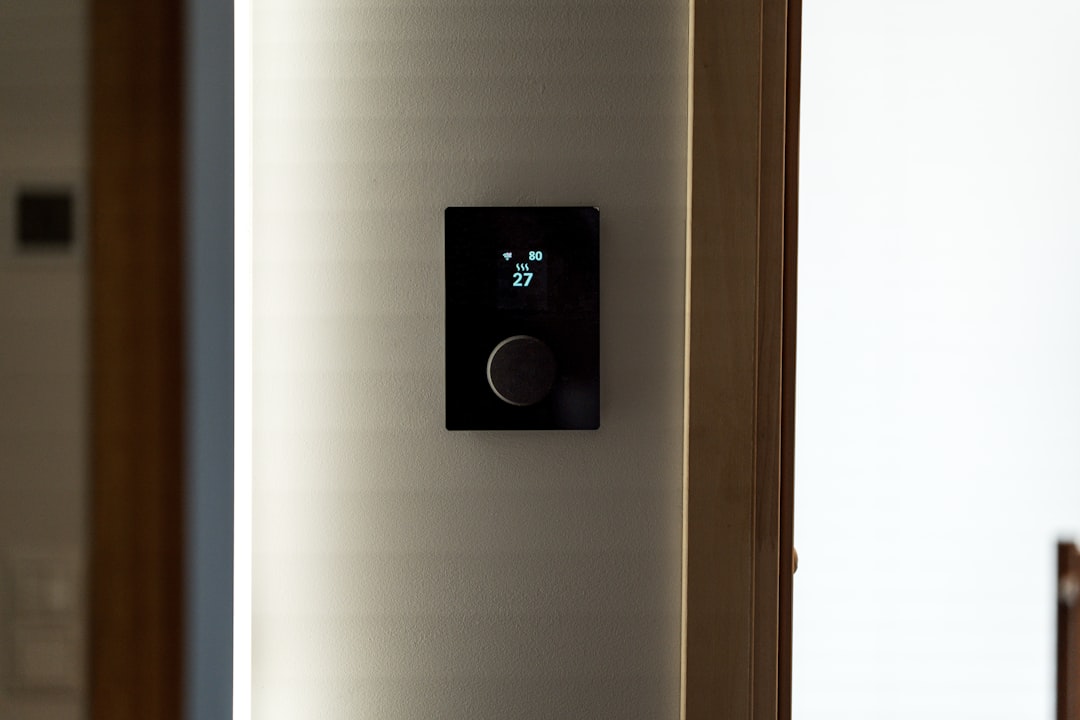
Why Smart Thermostat Benefits for AC Efficiency Matter More Than Ever in 2026
Understanding the smart thermostat benefits for AC efficiency is one of the most practical steps a homeowner can take to lower cooling bills without sacrificing comfort. Here is a quick look at the core benefits:
- Lower cooling bills - ENERGY STAR certified smart thermostats save around 10% on cooling costs annually
- Reduced energy waste - Automatic away modes and geofencing stop your AC from running an empty house
- Better comfort - Learning algorithms and humidity monitoring keep your home feeling right without overcooling
- Remote control - Adjust your AC from anywhere using your phone, including before you arrive home
- Utility savings - Many smart thermostats work with demand-response programs that put money back on your bill
- Maintenance awareness - Filter reminders and system alerts help catch problems before they become costly repairs
Nearly half of the average American household's energy bill goes toward heating and cooling — that's more than $900 a year. For families already juggling busy schedules, rising utility bills can quietly drain the household budget while making home comfort feel like a constant battle. The good news is that a smart thermostat gives you real, automated control over one of your biggest energy costs — and the savings are backed by real-world data, not just marketing claims.
Whether your AC runs too long, cools an empty house all day, or gets cranked up because someone forgot to adjust it before leaving, a smart thermostat is designed to fix exactly those habits. And in 2026, with energy costs continuing to climb, getting smarter about how your AC runs is one of the most impactful changes you can make at home.
I'm Matthew Palmieri, founder of My Happy Home, and my background spans HVAC systems, smart home technology, and hands-on contractor operations — giving me a practical, ground-level understanding of how smart thermostat benefits for AC efficiency translate into real savings for real families. In the sections ahead, I'll walk you through everything you need to know to make a confident, informed decision about upgrading your thermostat.
What a Smart Thermostat Is and How It Improves AC Efficiency
At its core, a smart thermostat is a Wi-Fi-enabled device that allows you to manage your home's heating and cooling through a smartphone, tablet, or voice assistant. Unlike the old "set it and forget it" boxes of the past, these devices are proactive. They don't just wait for you to change the temperature; they use data to optimize when and how your air conditioner runs.
The primary way these devices boost efficiency is by minimizing "human error." We’ve all been there—leaving for a weekend getaway and realizing three hours into the drive that the AC is still set to 68 degrees. A smart thermostat eliminates that waste by connecting your HVAC system to your digital life, ensuring you only pay for the cooling you actually use.
Smart Thermostat vs. Traditional and Programmable Thermostats
To understand why smart tech is such a leap forward, we have to look at what came before it.
- Traditional (Manual) Thermostats: These require you to physically walk to the wall and move a dial or press a button. They offer zero automation. If you forget to turn the AC up before work, it stays at that "comfort" setting all day long, wasting energy for eight to ten hours.
- Programmable Thermostats: These were a step up, allowing you to set a schedule (e.g., 72 degrees at 5 PM). However, research shows that nearly 50% of homeowners never actually program them because the interfaces are clunky and confusing. Even when they are programmed, they are rigid. If you come home early or stay late at the office, the schedule doesn't adapt.
- Smart Thermostats: These bridge the gap by being adaptive. They offer app control, learning features, and occupancy sensing. Instead of a rigid schedule, they create a living profile of your home’s needs.
- Feature: Remote Control; Traditional: No; Programmable: No; Smart: Yes (Smartphone/Tablet)
- Feature: Automation; Traditional: None; Programmable: Rigid Schedule; Smart: Adaptive/Learning
- Feature: Occupancy Sensing; Traditional: No; Programmable: No; Smart: Yes
- Feature: Energy Reports; Traditional: No; Programmable: No; Smart: Yes
- Feature: Wi-Fi Connectivity; Traditional: No; Programmable: No; Smart: Yes
Why Smart Thermostat Benefits for AC Efficiency Go Beyond Simple Scheduling
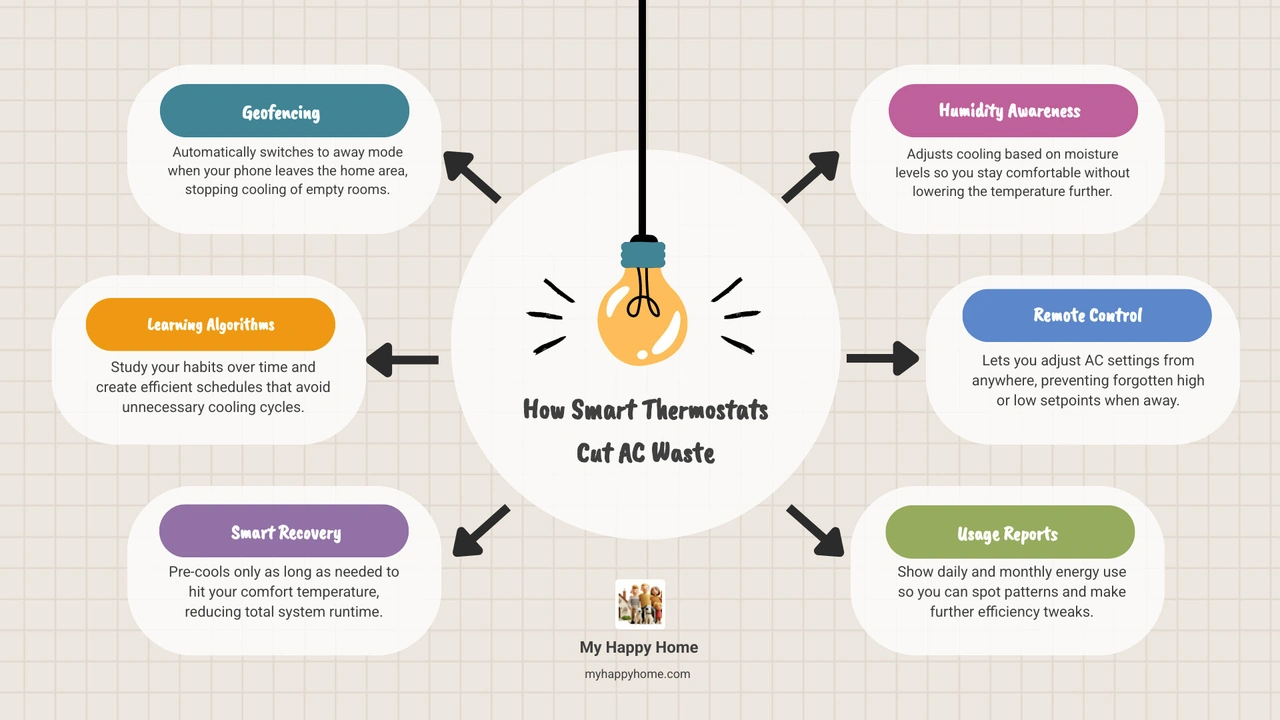
The real magic happens through features like geofencing and weather response. Geofencing uses your phone’s GPS to create a virtual boundary around your home. When you cross that boundary (say, a mile away), the thermostat knows you’re leaving and enters "Away Mode," raising the temperature to save energy. When you head back, it starts cooling the house so it’s perfect the moment you walk through the door.
Furthermore, smart thermostats monitor local weather. If it’s a particularly humid day in O'Fallon, the thermostat can adjust the AC runtime to prioritize dehumidification, making the air feel cooler without actually dropping the temperature setpoint as low. This "feels-like" logic is a massive win for efficiency.
How Smart Thermostats Work With Central AC Systems
Most smart thermostats are designed for forced-air central AC systems. They manage the system's "runtime"—the amount of time the compressor and blower fan are active. By preventing short cycling (when the AC turns on and off too frequently) and maintaining steady cooling cycles, the thermostat reduces wear and tear on your equipment.
One technical detail we often see in Missouri homes is the requirement for a C-wire (Common wire). This wire provides a constant stream of 24V power to the thermostat so the Wi-Fi and color screen stay active without draining batteries or "stealing" power from the HVAC control board, which can cause system errors.
The Top Smart Thermostat Benefits for AC Efficiency at Home
When we talk about smart thermostat benefits for AC efficiency, we aren't just talking about a lower bill at the end of the month. We are talking about a fundamental shift in how your home manages comfort.

How Scheduling, Geofencing, and Occupancy Sensing Cut Cooling Waste
The biggest energy hog in any home is cooling a vacant space. Smart thermostats use a "triple threat" of features to stop this waste:
- Smart Scheduling: Unlike the old "7-day" programs, smart schedules are easy to tweak on the fly via your phone.
- Geofencing: As mentioned, this uses your location to trigger "Eco" modes automatically.
- Occupancy Sensors: Many models come with remote sensors you can place in bedrooms or living areas. If the sensors don't detect motion for a set period, the thermostat assumes the house is empty and adjusts accordingly.
How Learning Algorithms and Smart Recovery Improve Cooling Performance
Some of the most popular models on the market actually "learn" your habits. If you consistently turn the AC down to 70 degrees at 10 PM, the thermostat will eventually stop waiting for you to do it and just build it into the schedule.
Smart Recovery is another brilliant feature. It calculates exactly how long it takes your AC to cool your home based on the outside temperature. If you want the house at 72 degrees by 5 PM, it doesn't just turn on at 5 PM; it starts at 4:30 PM (or whenever necessary) so the target is met exactly on time, avoiding the "crank it down to 60 to cool it faster" mistake that many people make.
How Humidity Monitoring and Remote Control Support Better AC Efficiency
In our region, humidity is often the real enemy of comfort. High humidity makes 75 degrees feel like 80. Smart thermostats can monitor indoor humidity levels and run the AC specifically to pull moisture out of the air. By managing humidity, you can often keep the thermostat a few degrees higher while feeling just as comfortable, which significantly reduces energy consumption.
How Much Energy Smart Thermostats Can Really Save on AC
So, what is the bottom line? While every home is different, the data from organizations like ENERGY STAR and various nationwide studies give us a very clear picture of the potential ROI.
Typical Cooling Savings Homeowners Can Expect
On average, homeowners who switch to an ENERGY STAR certified smart thermostat can expect to save about 8% on heating and 10% on cooling annually. Some studies have shown even higher results, with average annual savings on total HVAC costs reaching up to 15% to 20%. For the average American household spending over $900 a year on climate control, that’s a savings of $140 to $180 every single year.
What Affects Your Results Most
Your mileage will vary based on several factors:
- Climate: Homeowners in hot, humid climates like Missouri often see higher-than-average savings because the AC runs more frequently.
- Occupancy Patterns: If your house is empty during the day (work, school, errands), geofencing and away modes will yield massive results. If someone is home 24/7, the savings may be more modest.
- Home Insulation: A smart thermostat can’t fix a drafty house. If your attic insulation is thin, the thermostat will have to work harder to maintain temperatures.
- HVAC Age: A newer, high-efficiency system paired with a smart thermostat is the "gold standard" for savings.
When Smart Thermostats May Not Deliver Big AC Savings
It is important to be realistic. If you already have a programmable thermostat and you use it perfectly—meaning you manually adjust it every time you leave and follow a strict energy-saving schedule—the jump to a smart thermostat might only offer convenience rather than massive new savings.
Additionally, if you have a variable-speed HVAC system, these units are designed to run almost constantly at a very low power level. In these cases, drastic "setbacks" (raising the temp by 10 degrees when you leave) can actually be less efficient than letting the system maintain a steady, low-energy state.
Installation, Compatibility, and Setup Mistakes That Affect Performance
A smart thermostat is only as "smart" as its installation. We’ve seen many homeowners buy a high-end device only to have it underperform because of simple setup errors.
Why C-Wire Compatibility and Correct Wiring Matter
The C-wire is the backbone of a reliable smart thermostat. Without it, some thermostats try to "power steal" from the cooling circuit. This can lead to your AC compressor clicking on and off rapidly or the thermostat losing Wi-Fi connection right when you need it most. If your home is older and doesn't have a C-wire, you'll need an adapter kit or a professional to pull a new wire.
Why Professional Installation and Proper Setup Improve Results
While many people attempt a DIY install, professional setup ensures that the thermostat is properly calibrated. For example, if a thermostat is placed in a drafty hallway or direct sunlight, it will give false readings, causing your AC to run when it shouldn't. A pro can also help you set up geofencing and humidity controls correctly from day one.
If you're considering an upgrade, we can help ensure your new tech is integrated perfectly with your system. You can learn more about our AC Installation Replacement and AC Repair Service to see how we handle these upgrades.
Why a Smart Thermostat Works Best With a Well-Maintained AC System
Think of a smart thermostat as a high-performance brain for your AC. But even a genius brain can't make a broken body run a marathon. If your AC has dirty coils, a clogged filter, or low refrigerant, the thermostat will just keep calling for cooling that the system can't efficiently provide.
Regular maintenance is essential. We recommend checking out these resources to keep your system in peak shape:
- How Often Should You Schedule an AC Tune-Up
- How a Tune-Up Improves Efficiency and Lowers Bills
- AC Tune-Up Guide: What to Expect
- AC Maintenance Tune-Up
Extra Savings Opportunities and Everyday Benefits Beyond Lower Cooling Use
The benefits of a smart thermostat extend beyond just the "Away" button. These devices open doors to programs and features that traditional thermostats simply can't touch.
How Utility Programs and Time-of-Use Rates Amplify Smart Thermostat Benefits for AC Efficiency
Many utility companies offer Demand-Response programs. During the hottest days of the year when the electrical grid is stressed, the utility company can send a signal to your smart thermostat to slightly raise the temperature (usually by just 1-3 degrees) for an hour or two. In exchange for this small adjustment, homeowners often receive significant bill credits or even a free thermostat.
If you are on a Time-of-Use (TOU) rate plan, where electricity is cheaper at night, you can program your smart thermostat to "pre-cool" your home in the early morning hours and then let the temperature drift up slightly during the expensive afternoon peak.
Additional Benefits Beyond Energy Savings
- Maintenance Alerts: Your thermostat can monitor how long the AC takes to cool the home. If it notices the system is taking 30% longer than usual to reach the setpoint, it can send an alert to your phone suggesting an inspection.
- Filter Reminders: No more guessing when you last changed the filter; the thermostat tracks actual runtime and tells you exactly when it's time for a fresh one.
- Safety Alerts: If your home temperature drops dangerously low in the winter or spikes in the summer, you'll get a notification—vital for pet owners or those with vacation homes.
Smart Home Features That Make Cooling Easier to Manage
Integration with Amazon Alexa, Google Home, or Apple HomeKit allows you to change the temperature with a simple voice command. Furthermore, you can create "scenes." For example, a "Goodnight" scene could dim the lights, lock the doors, and drop the AC to 68 degrees all at once.
Is a Smart Thermostat Worth It for Your AC System?
For the vast majority of homeowners in O'Fallon and beyond, the answer is a resounding yes. The combination of energy savings, increased comfort, and system protection makes it one of the few home upgrades that truly pays for itself.
Homes That Benefit Most From a Smart Thermostat
You will see the fastest return on investment if:
- You have a predictable period when the house is empty.
- You travel frequently or have a secondary property.
- You struggle to remember to adjust the thermostat.
- You live in a climate with high humidity and high summer temperatures.
Questions to Ask Before You Upgrade
Before you head to the store, check these three things:
- Do I have a C-wire? Pull your current thermostat off the wall and look for a blue or black wire labeled "C."
- Is my Wi-Fi strong? Use your phone to check the signal strength at the thermostat's location.
- What is my goal? If you want "hands-off" automation, look for a "learning" model. If you want total control, look for one with a robust app.
When to Pair Smart Controls With Broader HVAC Care
If your AC is more than 12-15 years old, a smart thermostat is a great addition, but it might be time to look at the system as a whole. An aging unit will eventually lose the ability to keep up with the smart thermostat's commands. We always suggest looking at your overall HVAC health to ensure you're getting the most out of your technology.
Conclusion
The smart thermostat benefits for AC efficiency are clear: they save money, reduce stress, and protect your home’s most expensive appliance. By automating the "boring" parts of home management—like adjusting the temp when you leave or checking the humidity—these devices allow you to focus on enjoying your home rather than managing it.
At My Happy Home, we believe homeownership shouldn't be a headache. That’s why we offer our HVAC Protection Plan and comprehensive HVAC services to ensure that whether you’re installing a new smart thermostat or maintaining a 10-year-old AC unit, you have the support you need.
Ready to make your home smarter and more efficient? Let's get started on making your home a Happy Home.