
The 7 signs your AC needs repair
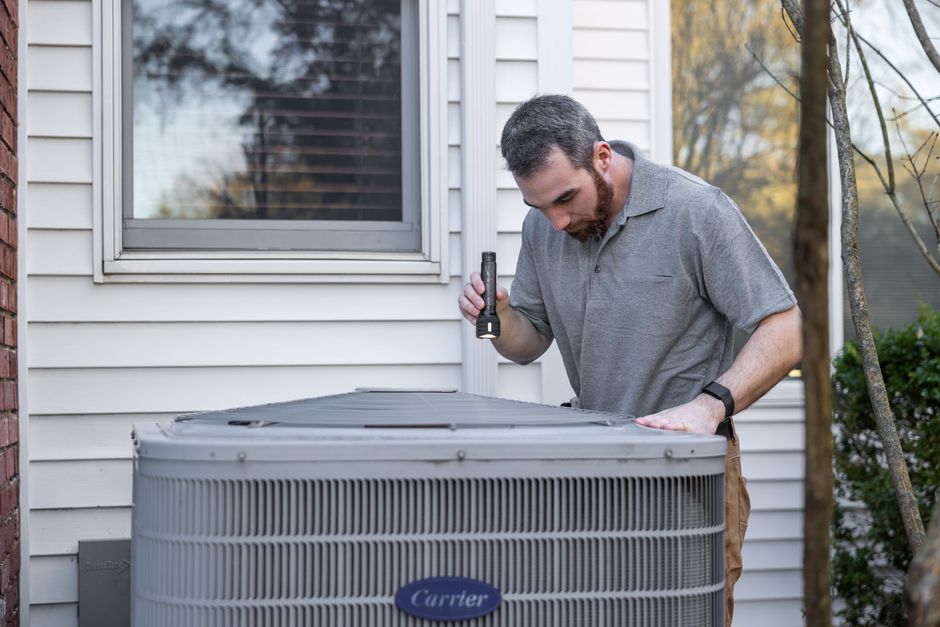
7 Common Signs Your AC Needs Repair
When the humidity levels start to climb in O'Fallon, MO, your air conditioner isn't just a luxury; it’s your primary defense against the muggy Midwestern summer. Because we rely so heavily on these systems, they are prone to wear and tear that can manifest in several ways. Recognizing the signs your AC needs repair is the first step in maintaining a comfortable home and avoiding the "sauna effect" when you least expect it.
Whether you have a traditional central air system or a modern heat pump, the symptoms of failure are often identical. If you notice any of the following seven signs, it’s time to look into a professional AC Repair Service before the damage spreads to more expensive components like the compressor.
Is Warm Air One of the Signs Your AC Needs Repair?
There is perhaps no clearer sign of trouble than standing in front of a vent and feeling lukewarm air. If your thermostat is set to "cool" and the fan is running, but the air coming out feels like a spring breeze rather than a polar blast, you have a problem.
Warm air is frequently caused by one of three major issues:
- Compressor Failure: The compressor is the "heart" of your AC. If it’s struggling or has failed, it cannot pump refrigerant through the system to remove heat from your home.
- Refrigerant Leaks: Refrigerant is a chemical that travels in a closed loop. It doesn't get "used up" like gasoline. If levels are low, it means there is a leak. This prevents the system from absorbing heat effectively.
- Thermostat Malfunctions: Sometimes the issue isn't the mechanical hardware but the "brain" of the system. A miscalibrated thermostat may tell the AC to stop cooling before the room reaches the desired temperature.
If you use a heat pump for both cooling and heating, a reversing valve failure could also be the culprit, causing the unit to stay in "heat mode" even during July. In such cases, specialized Heat Pump Repair Service is necessary to restore the cooling function.
Identifying Weak Airflow and Uneven Cooling
Have you noticed that your living room is freezing while your bedroom remains uncomfortably warm? Or perhaps the air is cool, but it feels like it’s barely "oozing" out of the vents rather than blowing? Weak airflow is a significant red flag.
This issue is often rooted in the blower motor, which is responsible for pushing conditioned air through your ductwork. If the motor is failing or the fan belt is slipping, the airflow will diminish. However, don't overlook the simple things: a heavily clogged air filter can choke your system, forcing it to work twice as hard for half the result.
Furthermore, the Department of Energy suggests that up to 20-30% of conditioned air can escape through holes or poorly connected ducts. If your ducts are leaking in the attic, you're paying to cool the squirrels instead of your family. Regular AC Maintenance Tune-Up can identify these airflow bottlenecks before they lead to a total motor burnout.
Distinguishing Minor Issues from Major Failures
Before you panic, it’s helpful to know how to distinguish a minor "hiccup" from a catastrophic failure. Sometimes, the signs your AC needs repair are actually signs that you need to perform basic maintenance.
- The "Check First" List: If your AC won't turn on at all, check your circuit breakers and the batteries in your thermostat. It’s surprisingly common for a tripped breaker to be the only thing standing between you and a cool house.
- The "Call a Pro" List: If you hear mechanical grinding or see ice forming on the unit (more on that later), these are not DIY fixes. These issues indicate mechanical strain and electrical risks that require a professional HVAC technician to diagnose safely.
Understanding Unusual Noises and Odors
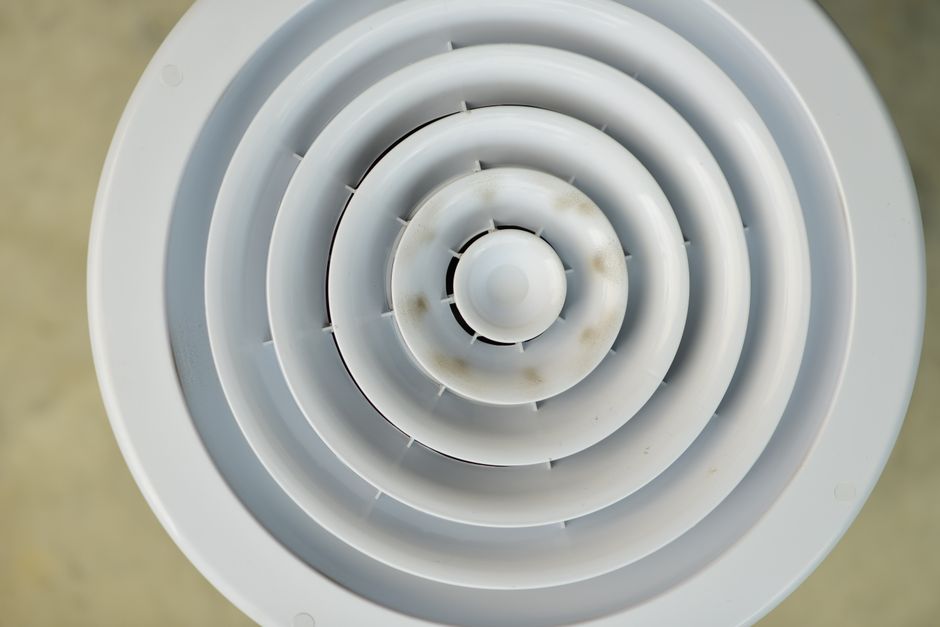
A healthy air conditioner should operate with a low, consistent hum. If your unit starts sounding like a drum circle or a haunted house, it’s trying to tell you something.
Grinding sounds usually point to a problem with the motor’s bearings. If left unaddressed, the friction will eventually cause the motor to seize entirely. Squealing or screeching often indicates a belt that has slipped out of place or is nearing the end of its life. Banging or clanging is perhaps the most urgent sound; it typically means a part has come loose inside the compressor or blower assembly and is hitting other components.
Odors are equally telling. A musty or "dirty sock" smell is a classic sign of mold or mildew growth inside the ductwork or on the evaporator coils. Because the AC removes moisture from the air, the inside of the unit is naturally damp—a breeding ground for fungi if not properly drained. This can significantly impact indoor air quality and trigger respiratory issues or allergies.
On the more dangerous side, a burning or ozone smell suggests electrical issues, such as overheating wires or a short circuit. If you smell smoke or burning plastic, shut the system off at the breaker immediately to prevent a potential fire hazard.
Efficiency Red Flags: Spiking Bills and Short Cycling
One of the most subtle signs your AC needs repair doesn't come from the unit itself, but from your mailbox. If your energy bills have spiked by 15-20% compared to May of last year, and your usage habits haven't changed, your AC is likely losing efficiency.
- Feature: Cycle Length; Efficient AC Behavior: 15–20 minutes; Inefficient (Repair Needed): 5–10 minutes (Short Cycling)
- Feature: Energy Bill; Efficient AC Behavior: Consistent with seasonal temps; Inefficient (Repair Needed): 20%+ unexplained increase
- Feature: Noise Level; Efficient AC Behavior: Quiet background hum; Inefficient (Repair Needed): Grinding, banging, or clicking
- Feature: Air Temp; Efficient AC Behavior: 18°F cooler than intake; Inefficient (Repair Needed): Lukewarm or inconsistent
Short cycling is a specific technical term for when your AC turns on and off too frequently. While it might seem like the unit is just being "efficient" by reaching the goal quickly, it’s actually the opposite. Most of the wear and tear on a compressor happens during the startup phase. Frequent starts and stops put immense mechanical strain on the system, drastically shortening its lifespan and causing power consumption to skyrocket.
When to Choose Repair Over Replacement
As we move through 2026, many homeowners are facing the "Repair vs. Replace" dilemma. Central AC units typically have a lifespan of 10 to 15 years. If your unit is approaching that 15-year mark and starts showing multiple signs your AC needs repair, it might be more cost-effective to look at AC Installation Replacement.
A helpful industry standard is the $5,000 Rule: Multiply the age of your unit by the estimated repair cost. If the total exceeds $5,000, a replacement is usually the smarter financial move. For example, a 12-year-old unit needing a $500 repair ($6,000 total) is a prime candidate for replacement, especially since newer models are up to 50% more efficient than those made a decade ago.
Additionally, if your older unit still uses R-22 refrigerant (which was phased out entirely by 2020), repairs involving the refrigerant loop will be prohibitively expensive because the chemical is no longer produced.
Safety Risks and Signs Your AC Needs Repair Immediately
Ignoring AC issues isn't just a matter of comfort; it can be a matter of safety.
- Fire Hazards: Electrical shorts and overheating motors are leading causes of home structure fires involving HVAC equipment.
- Water Damage: A clogged condensate drain line can back up, causing water to leak into your ceiling or flooring, leading to expensive structural repairs and mold growth.
- Refrigerant Exposure: Refrigerant is a toxic substance. If you suspect a leak, it must be handled by a licensed professional to protect your family’s health and comply with EPA regulations.
Frequently Asked Questions About AC Performance
What should I do if I notice ice buildup on my AC?
If you see ice or frost on the copper refrigerant lines or the indoor evaporator coil, turn the system off immediately. Ice is usually caused by restricted airflow (like a filthy filter) or low refrigerant levels. Running the system with ice buildup can cause liquid refrigerant to flood back into the compressor, which will "slug" it and destroy it instantly. Let the ice melt completely before calling for a professional inspection.
Why are my energy bills rising without increased usage?
This is almost always due to an efficiency drop. As components age, mechanical friction increases, and dirty coils make it harder for the system to exchange heat. Your AC has to run for much longer cycles to achieve the same cooling effect, which shows up directly on your monthly utilities.
How does regular maintenance prevent common AC problems?
Annual tune-ups allow a technician to clean the coils, check refrigerant pressures, and tighten electrical connections before they fail. Think of it like an oil change for your car; catching a small refrigerant leak in the spring is much cheaper than replacing a "fried" compressor in the middle of a July heatwave. We recommend a professional AC Maintenance Tune-Up at least once a year.
Conclusion
Your home should be a sanctuary, not a sauna. By keeping an eye out for the signs your AC needs repair—from those strange clanging noises to the sudden jump in your electric bill—you can protect your investment and your comfort.
At My Happy Home, we believe homeownership shouldn't be defined by the stress of the "next big break." Our membership plans are designed to provide nationwide coverage and 24/7 support, ensuring that when your AC sends out an S.O.S., expert help is already on the way. Whether you need an urgent AC Repair Service in O'Fallon or a routine check-up to keep your system running at peak efficiency, we are here to provide the peace of mind you deserve. Say goodbye to surprise repair bills and hello to a cooler, happier home.