
The appraiser is coming: does your AC pass the test
Why How AC Condition Affects Home Appraisals Matters More Than You Think
How AC condition affects home appraisals is one of the most overlooked factors when homeowners prepare to sell or refinance — and it can quietly cost you thousands. Most people focus on fresh paint or a renovated kitchen, but appraisers are also taking a close look at your cooling system. A failing, aging, or inefficient AC unit can trigger a significant downward adjustment to your home's appraised value, while a well-maintained or upgraded system can protect — and even boost — what your home is worth.
Here is a quick summary of how your AC's condition shapes your appraisal:
- AC Condition: New or high-efficiency system (under 10 years); Likely Appraisal Impact: Can increase appraised value by 5–7%
- AC Condition: Well-maintained system with service records; Likely Appraisal Impact: Supports current value, no deductions
- AC Condition: Aging system (15–20+ years old); Likely Appraisal Impact: May be flagged as deferred maintenance
- AC Condition: Failing or non-functional system; Likely Appraisal Impact: Can reduce appraised value by $5,000–$10,000 or more
- AC Condition: Missing central AC in a market where it is expected; Likely Appraisal Impact: Can create a value penalty of $5,000–$8,000
Appraisers are not HVAC technicians — they do not run diagnostic tests. But they do look for visible signs of age, wear, and neglect. They factor in the system's age, efficiency ratings, and whether it meets the basic expectations of buyers in your local market. If your AC raises red flags, it goes into the home's overall condition rating, and that rating directly influences the final number.
For busy families trying to protect their biggest investment, understanding this connection is the first step to making smart decisions before an appraisal visit.
Understanding How AC Condition Affects Home Appraisals
When an appraiser walks through your home, they are looking at the "big picture" of your property’s value. While a kitchen backsplash is a cosmetic choice, the air conditioning system is a core mechanical requirement. In modern real estate, how ac condition affects home appraisals is often categorized under "functional utility" and "physical condition."
Research shows that a new or upgraded system can increase a home’s appraised value by approximately 5% to 7%. This isn't just because a new unit looks nice; it’s because it represents a major capital expense that the next homeowner won't have to worry about. If you are considering a replacement to boost your marketability, exploring AC Installation & Replacement before the appraiser arrives can be a strategic move to secure a higher valuation.
How ac condition affects home appraisals during physical inspections
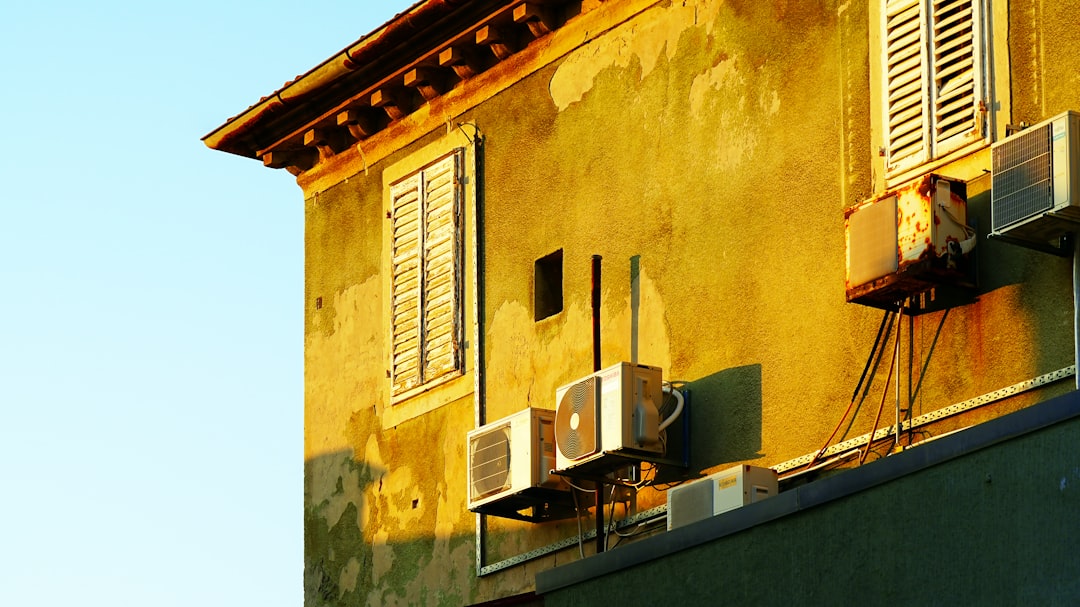
During the physical walkthrough, the appraiser will note the system’s age and any visible signs of wear. They aren't going to take the unit apart, but they will look for rust on the condenser, strange noises, or signs of "deferred maintenance." If the system looks like it hasn't been touched in a decade, it signals to the appraiser that other "invisible" parts of the home might also be neglected.
If your unit is blowing lukewarm air or making a rattling sound, it's wise to schedule an AC Repair Service before the appraisal. Addressing these issues early prevents the appraiser from marking your home’s condition down from "Good" to "Fair," which can have a cascading effect on the final dollar amount.
Why efficiency and how ac condition affects home appraisals for lenders
Lenders care about your AC just as much as you do. For certain loan types, such as FHA or VA loans, the HVAC system must be functional and meet minimum property standards. A non-functional cooling system in a hot climate can actually stall a loan approval. Lenders view a failing AC as a financial risk—if the system dies a month after closing, the homeowner might struggle to pay the mortgage because they are busy paying for a new air conditioner. Efficient systems reduce monthly utility bills, making the home more affordable and, therefore, a safer bet for the bank.
Key Factors Appraisers Evaluate in Your Cooling System

Appraisers look at several specific technical factors when determining how much value your cooling system adds to the property.
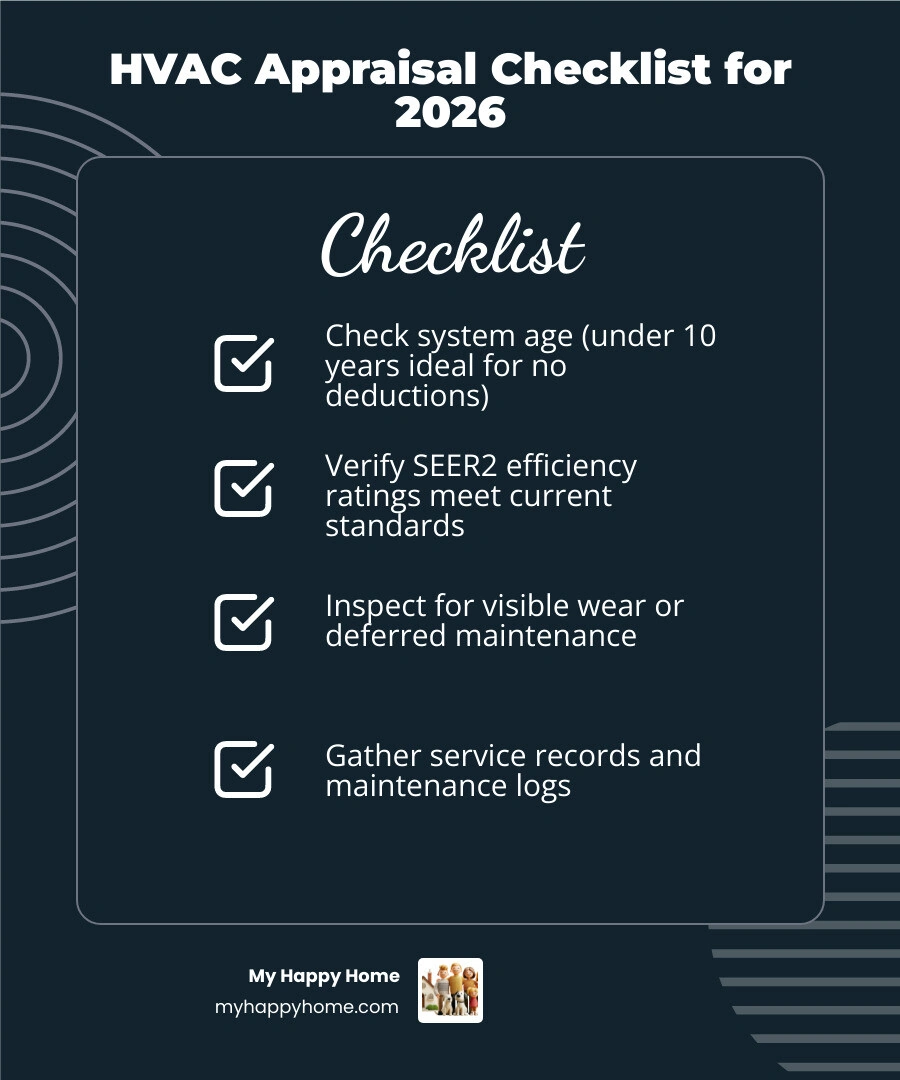
- The 10-Year Threshold: Systems under 10 years old are generally viewed as assets. Once a unit passes the 10-to-13-year mark, appraisers begin to consider its "remaining useful life."
- SEER2 Ratings: In 2026, efficiency is a top priority. Systems with high SEER2 (Seasonal Energy Efficiency Ratio) ratings are more valuable because they use noticeably less energy than units from a decade ago.
- Refrigerant Type: If your system still uses R-22 (Freon), it is a major red flag. This refrigerant has been phased out, making repairs incredibly expensive and indicating the system is at the end of its life.
- Maintenance History: A unit that has received a regular AC Maintenance Tune-Up will always appraise better than one that has been ignored.
Assessing system adequacy for home size
An appraiser will check if the AC unit is properly sized for your home’s square footage. If you’ve added an addition or finished a basement but kept the original, smaller AC unit, the system may be deemed "inadequate." This is known as functional obsolescence. Before you assume your system is failing, you might want to check out some AC Troubleshooting Tips Before Calling a Pro to ensure it's performing at its peak capacity for the space it serves.
Impact of indoor air quality and filtration
In 2026, indoor air quality (IAQ) has become a significant factor in home desirability. Appraisers note the presence of advanced filtration systems, such as HEPA filters or UV purifiers integrated into the HVAC system. However, even the best system won't help your appraisal if it’s poorly maintained. For instance, Ice Forming on Your AC Unit: Causes and What to Do is a sign of restricted airflow or low refrigerant—both of which suggest a system in distress that will negatively impact your home's value.
Strategic Upgrades to Maximize Appraisal Value
If you are looking for the best return on investment (ROI), HVAC upgrades are surprisingly competitive compared to cosmetic remodels.
- Upgrade Type: High-Efficiency AC Replacement; Typical ROI: 50–80%; Appraisal Impact: High (Removes "End of Life" Penalty)
- Upgrade Type: Smart Thermostat Installation; Typical ROI: 100%+; Appraisal Impact: Moderate (High Buyer Appeal)
- Upgrade Type: Adding Central AC (where absent); Typical ROI: 50–70%; Appraisal Impact: High (Market Standard)
- Upgrade Type: Duct Sealing & Insulation; Typical ROI: 40–60%; Appraisal Impact: Low to Moderate (Efficiency Boost)
Upgrading to a system with an ENERGY STAR certification can increase home value by 2–10% depending on the market. Before you call for a full replacement, however, ensure the basics are covered. Knowing How to Check Your Thermostat Before Calling for AC Repair can save you a service fee and ensure your "upgrade" isn't just a simple settings fix.
The value of smart home integration
Smart thermostats and zoning systems are low-cost upgrades that have a high "perceived value" for appraisers and buyers alike. These systems allow for precise temperature control and energy savings, which appraisers recognize as a modern feature. If your AC is Not Turning On? What to Check First can help you determine if a simple thermostat upgrade could solve your reliability issues while boosting your home’s tech-forward appeal.
Improving ductwork and insulation
An efficient AC unit can’t do its job if the cool air is escaping through leaky ducts. Appraisers may look at the overall "tightness" of the home's envelope. Ensuring your ductwork is sealed and your attic is properly insulated protects the work your AC is doing. To keep these core systems in top shape without the stress of unexpected bills, many homeowners in O'Fallon utilize an HVAC Protection Plan to ensure year-round efficiency.
Essential Documentation to Prove Your AC’s Worth
You can't just tell an appraiser the AC is "new"—you have to prove it. Having a dedicated folder ready for the appraiser can significantly influence their report. This folder should include:
- Installation Receipts: Showing the date and the model installed.
- Permits: Proving the work was done to local code.
- Maintenance Logs: Evidence of annual tune-ups.
- Warranty Information: Mentioning if the warranty is transferable to the new owner.
Having an Air Conditioning Protection Plan is a great piece of documentation to show, as it proves the system has been professionally monitored and maintained.
Proving energy savings to the appraiser
If you’ve invested in a high-efficiency system, show the appraiser your utility bills from before and after the installation. If your home has a HERS (Home Energy Rating System) Index score or other SEER documentation, provide it. Appraisers can use this data to justify a higher valuation based on the lower operating costs of the home compared to similar "comparable" properties in the area.
Regional Climate and Market Expectations in O'Fallon
In O'Fallon, MO, air conditioning isn't a luxury—it’s a survival tool for the humid Missouri summers. Because central AC is the standard in our region, lacking it (or having a system that can't keep up with the humidity) will result in a much harsher appraisal penalty than it might in a cooler climate.
In 2026, O'Fallon buyers are looking for homes that are "move-in ready." If an appraiser sees an AC unit that is 20 years old, they know a buyer will likely ask for a price reduction or a seller credit to replace it. By staying ahead of the curve with a regular AC Maintenance Tune-Up, you ensure your home meets the high market expectations of our local area.
Frequently Asked Questions About AC Appraisals
Can a non-functional AC unit cause a loan denial?
Yes, particularly for FHA, VA, or USDA loans. These government-backed loans require the home to be safe, sound, and secure. A home without a working primary heat or cooling source (depending on the region) may fail to meet "Minimum Property Standards," leading the lender to deny the loan until the system is repaired or replaced.
How much does a new AC increase home value compared to a kitchen remodel?
While a kitchen remodel might add more total dollar value, it also costs significantly more. In terms of ROI, a new HVAC system often recoups 50–80% of its cost, whereas a major kitchen remodel might only recoup 50–60%. Additionally, a new AC removes a "negative" (a failing system), which is often more important for a smooth appraisal than adding a "positive" (like new cabinets).
Does a window unit count toward my home's appraised value?
Generally, no. Appraisers typically only value "real property," which includes built-in, permanent systems like central HVAC or ductless mini-splits. Because window units are considered "personal property" (you can take them with you when you move), they usually do not add any value to the appraisal. In fact, relying on window units in a neighborhood where central air is the standard can lead to a "functional obsolescence" deduction.
Conclusion
At My Happy Home, we know that your house is more than just a building—it’s your biggest investment. Understanding how ac condition affects home appraisals is essential for any homeowner looking to maximize their equity and ensure a smooth selling process. Whether you are preparing for an appraisal in O'Fallon or just want to ensure your family stays cool during the next heatwave, keeping your cooling system in top shape is a smart financial move.
Our membership plans are designed to take the guesswork out of home maintenance. With coverage for HVAC, plumbing, and electrical systems, we provide the professional care your home needs to "pass the test" every single time.
Protect your home value with professional AC installation and replacement and enjoy the peace of mind that comes with a Happy Home.