
DIY AC fixes to try before you call the professionals
Why Knowing AC Troubleshooting Tips Before Calling a Pro Can Save Your Summer
AC troubleshooting tips before calling a pro are something every homeowner should have on hand — especially when your system stops cooling on the hottest day of the year. Before you pick up the phone and schedule a service call, there are several quick checks you can do yourself that might solve the problem in minutes.
Here are the most important steps to try first:
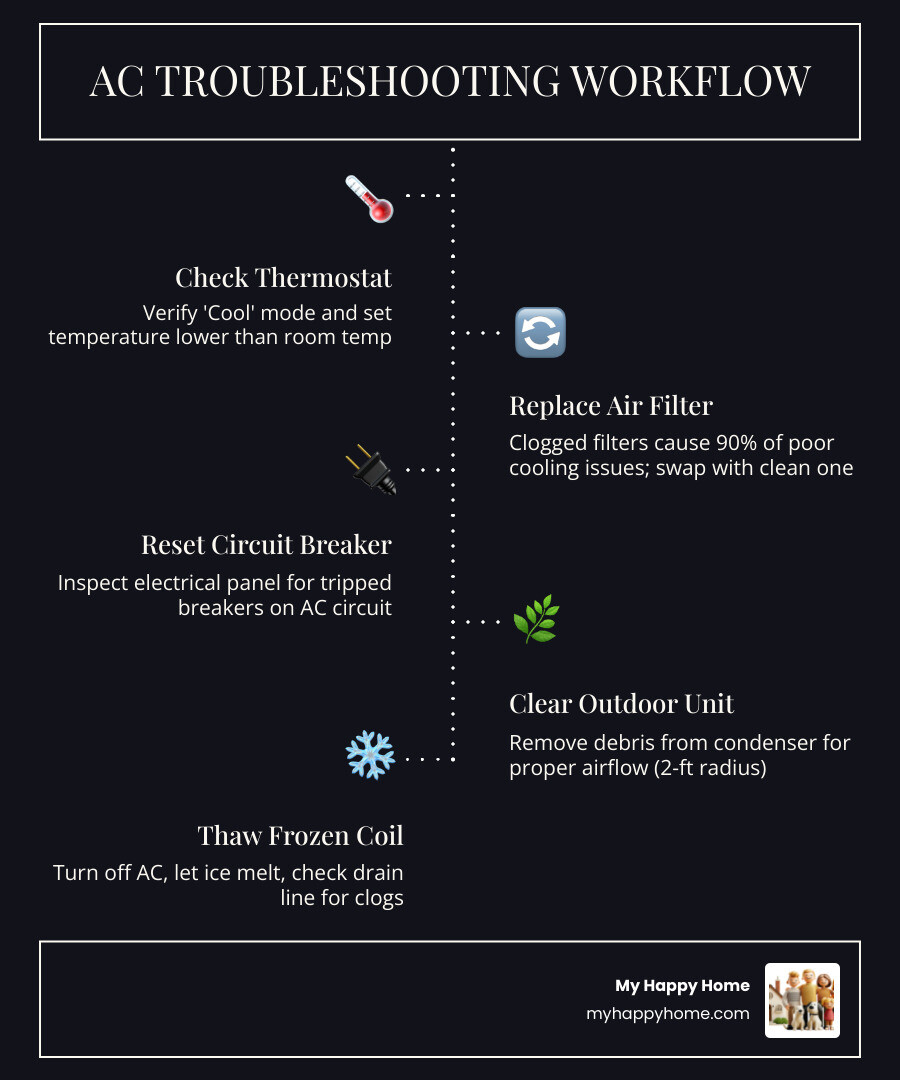
- Check your thermostat — Make sure it's set to "Cool" and the temperature is set lower than the current room temperature.
- Replace a dirty air filter — A clogged filter is the cause of roughly Many service calls about central air not working well, in common service diagnoses.
- Reset your circuit breaker — Find your electrical panel and look for any tripped breakers connected to your AC system.
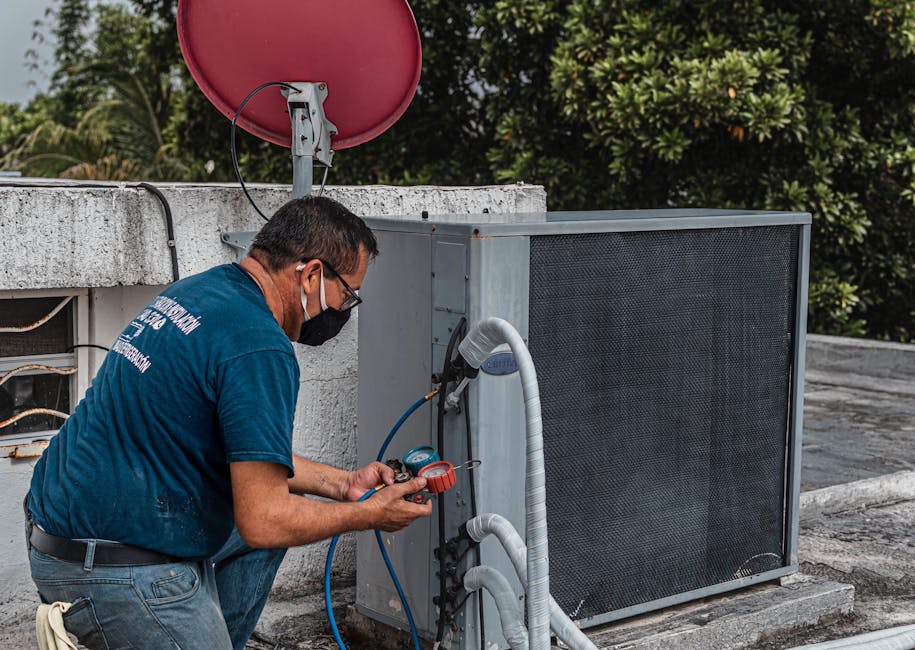
- Inspect the outdoor unit — Clear away leaves, grass, or debris blocking the condenser and make sure airflow isn't restricted.
- Check vents and registers — Make sure none are blocked by furniture, rugs, or other objects.
- Look for ice buildup — A frozen evaporator coil can stop your system from cooling entirely. Turn the system off and let it thaw.
- Clear the condensate drain line — A clogged drain line is involved in a large share of central air service calls and can trigger an automatic shutdown.
Most of these checks take less than 15 minutes and cost nothing. If none of them fix the problem, that's when it makes sense to call in a licensed technician.
As a busy parent, the last thing you need is a hot, uncomfortable home or an unexpected repair bill. The good news is that many common AC issues have simple fixes — and knowing where to start puts you back in control fast.
Common Signs Your HVAC System Needs Attention
It’s a beautiful April 2026 afternoon in O'Fallon, MO, and you decide to kick on the AC for the first time this season. But instead of a crisp breeze, you’re met with silence or, worse, a lukewarm puff of air. Recognizing the early warning signs of a struggling system can prevent a total breakdown during the humid Missouri summer.

When we talk about ac troubleshooting tips before calling a pro, the first step is actually "playing detective." You need to look for these common symptoms:
- Weak Airflow: If you hold your hand up to a vent and it feels like a tired exhale rather than a steady gust, your system is struggling to push air through the ducts.
- Warm Air from Vents: This is the ultimate betrayal. If the system is running but the air is lukewarm, you might have a setting issue or a more serious component failure.
- Unusual Noises: A healthy AC should hum quietly. If you hear banging, hissing, or screeching, your system is trying to tell you something is loose or leaking.
- Short Cycling: This is when the unit turns on, runs for a few minutes, and shuts off again, only to restart shortly after. It’s incredibly hard on your compressor and spikes your energy bills.
- Water Pooling: Finding a puddle around your indoor unit is a major red flag. Water leaks account for almost 90% of all central air service calls.
- Energy Bill Spikes: If your bill jumps 10% or more without a change in weather, your system is likely losing efficiency due to a hidden issue like damaged line set insulation.
If your system isn't responding at all, check out our guide on AC Not Turning On What to Check First for immediate steps.
Essential AC Troubleshooting Tips Before Calling a Pro
Before you panic, many HVAC issues are caused by simple human error or basic maintenance needs. We recommend working through a checklist of power and airflow checks first.
Thermostat and Power: AC Troubleshooting Tips Before Calling a Pro
You’d be surprised how often a "broken" AC is actually just a thermostat that was accidentally bumped or a battery that finally gave up the ghost.
- Mode Verification: Double-check that the thermostat is actually set to "Cool." It sounds silly, but a curious child or a quick cleaning session can easily flip the switch to "Heat" or "Fan Only."
- The Temperature Differential: Ensure your set temperature is at least 3 to 5 degrees below the current room temperature. If it’s 75°F inside and you have it set to 74°F, the system might not kick on immediately.
- Battery Replacement: If your thermostat screen is blank or fading, replace the batteries. A dead thermostat can't tell your AC to turn on.
- Circuit Breakers: High outdoor temperatures in O'Fallon can cause your system to draw more power, occasionally tripping a breaker. Check your home’s electrical panel. If the AC breaker is in the "middle" position, flip it all the way to "Off" and then back to "On."
- Outdoor Disconnect Switch: There is usually a small metal box near your outdoor unit. Inside is a switch or a pull-out fuse block. Ensure this hasn't been accidentally bumped to the "Off" position during yard work.
If you've checked the power and the system still won't budge, it might be time to look deeper into your HVAC system's health.
Airflow and Vents: AC Troubleshooting Tips Before Calling a Pro
Airflow is the lifeblood of your air conditioner. When it’s restricted, the whole system suffers.
SymptomDirty FilterClean FilterAirflow StrengthWeak/LaboredStrong/SteadyAir TemperatureLukewarmColdSystem NoiseWhistling/StrainedQuiet HumEnergy UsageHigh/SpikingNormal
The Air Filter Rule: 9 times out of 10, calls about central air units not working well are because of a dirty filter. In O'Fallon, where we deal with seasonal pollen and dust, we recommend checking your filter every month.
- 1-inch filters: Change every month.
- 4-5 inch media filters: Change every 6 to 12 months.
- Direction Matters: When installing a new filter, look for the arrow on the frame. It should always point toward the furnace or air handler (the direction the air is flowing).
Register and Vent Check: Walk through your home and ensure all supply and return vents are open. We’ve seen many cases where a new rug or a moved sofa completely blocked a return vent, causing the system to overheat. Avoid closing vents in unused rooms; contrary to popular belief, this actually increases system pressure and can lead to duct leaks. About 30% of the energy in ducted systems is lost due to leaks or poor layout, so keeping vents clear is vital.
For a deeper dive into keeping your airflow optimal, a professional AC Maintenance Tune-Up is the best way to ensure your ducts and coils are in top shape.
Managing Outdoor Units and Frozen Evaporator Coils
The outdoor portion of your AC, the condenser, is often neglected until it stops working. Since it lives outside, it’s at the mercy of the elements.
- The Two-Foot Rule: Your outdoor unit needs to "breathe" to release the heat it pulled from your home. Maintain at least two feet of clearance around the unit and five feet of clearance above it. Trim back any Missouri shrubs or tall grass that might be crowding it.
- Cleaning the Fins: Over time, dirt, cottonwood fluff, and grass clippings can coat the condenser fins. After turning off the power at the breaker, you can gently rinse the unit with a garden hose. Never use a pressure washer, as the high pressure will bend the delicate aluminum fins and ruin your airflow.
- Leveling the Unit: If the pad under your outdoor unit has shifted or tilted, it can cause the oil in the compressor to settle unevenly, leading to premature failure. You can often level it by carefully packing gravel or sand under the low side.
Dealing with Frozen Coils: If you see frost on the copper lines or the indoor unit, you have a frozen evaporator coil. This usually happens because of a dirty filter or low refrigerant.
- Turn off the AC at the thermostat immediately. Running it with ice buildup can destroy the compressor.
- Switch the Fan to "On": This blows warm air over the coils to help them thaw. This process can take 2 to 4 hours.
- Check the Drain Line: As the ice melts, it will produce a lot of water. Ensure your condensate drain isn't clogged. You can use a wet/dry shop vac on the outdoor end of the drain pipe to suck out any algae or debris. A cup of white vinegar poured into the indoor drain access can also help keep the line clear.
Regularly tending to these components is a key part of any HVAC Protection Plan.
Recognizing When Professional Intervention Is Necessary
While we love a good DIY victory, some AC problems are dangerous or require specialized tools. Knowing when to put down the screwdriver and call for help is essential for your safety and your home’s protection.
It is time to call for AC Repair Service if you experience:
- Refrigerant Leaks: If you hear a hissing or bubbling sound, you likely have a leak. Refrigerant is a regulated substance that only EPA-certified technicians can legally handle. Adding more without fixing the leak is a waste of money and harmful to the environment.
- Electrical Burning Smells: If your vents smell like burning plastic or ozone, shut the system off at the breaker immediately. This indicates a wiring failure or a motor burnout.
- Metal-on-Metal Noises: Grinding or loud clanking usually means a fan blade has come loose or the compressor’s internal bearings are failing.
- Persistent Breaker Trips: If you reset the breaker and it trips again immediately, do not try a third time. You have a direct short circuit or a grounded compressor that needs professional attention.
- The 20-Degree Rule Failure: On a standard day, your AC should be able to keep the indoor temperature about 20 degrees cooler than the outside air. If it’s 90°F in O'Fallon and your home won't drop below 80°F despite a clean filter and clear outdoor unit, you likely have an internal component issue.
For long-term peace of mind, many O'Fallon homeowners choose an Air Conditioning Protection Plan to ensure that when these big issues arise, they are covered without the stress of a massive, unexpected bill.
Conclusion
At My Happy Home, we believe homeownership shouldn't be a series of stressful surprises. By following these ac troubleshooting tips before calling a pro, you can handle the small stuff yourself and keep your home comfortable all through the Missouri summer.
However, we also know that even the best-maintained systems eventually need expert care. That’s why we offer comprehensive repair coverage that includes your HVAC, plumbing, electrical, and major appliances under one simple membership. No more hunting for a reliable technician or worrying about the cost of a new compressor in the middle of a heatwave.
If your troubleshooting hasn't solved the problem, or if you're ready to trade repair stress for predictable peace of mind, we're here to help. Our network of licensed, vetted technicians in O'Fallon and across the country is ready to get your home back to its happy, cool self.
Don't let a faulty AC ruin your week. Explore our membership plans today and say goodbye to surprise repair bills for good!