
The homeowner's guide to surviving the R-410A phase down
What Every Homeowner Needs to Know About the AC Refrigerant Changeover
How AC refrigerant changes affect homeowners is one of the most searched HVAC questions right now — and for good reason. Here's the short version:
- Your existing AC does not need to be replaced because of the 2025/2026 regulations
- New installations (from January 1, 2026 onward) must use lower-GWP refrigerants like R-454B or R-32 instead of R-410A
- R-410A systems can still be serviced using reclaimed refrigerant, but costs may rise over time
- New A2L systems cost roughly 20–30% more upfront, but offer better energy efficiency
- You cannot retrofit an old R-410A system to run on new refrigerants — the components are incompatible
- Federal tax credits are available (up to $2,000 for heat pumps) if you choose to upgrade
If you've noticed your energy bills creeping up, wondered why your HVAC technician is suddenly talking about refrigerant regulations, or felt confused by terms like "R-454B" and "A2L," you're not alone.
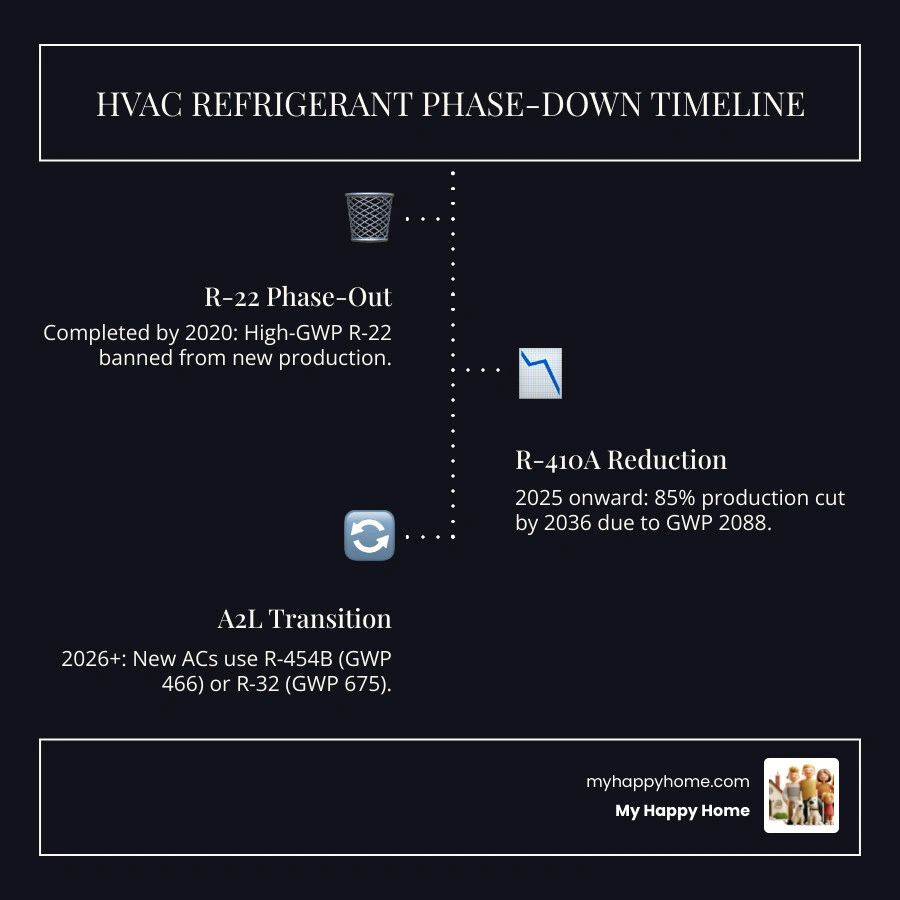
The HVAC industry is going through its biggest refrigerant shift in over a decade. Driven by the American Innovation and Manufacturing (AIM) Act of 2020, the U.S. Environmental Protection Agency began phasing down R-410A — the refrigerant used in most home AC systems today — starting January 1, 2025. New residential systems installed from 2026 onward must use a new class of lower-impact refrigerants.
R-410A has a Global Warming Potential (GWP) more than 2,000 times greater than carbon dioxide. The new replacements, R-454B and R-32, bring that number down dramatically. That's good news for the environment — but it raises real, practical questions for homeowners trying to figure out what to do right now.
This guide cuts through the confusion. Whether you have an older system, are thinking about upgrading, or just spotted some ice forming on your refrigerant lines, you'll find clear answers here.
Understanding the 2025/2026 HVAC Refrigerant Transition
The current shift is the result of the American Innovation and Manufacturing (AIM) Act, which empowers the EPA to phase down the production and consumption of hydrofluorocarbons (HFCs). This isn't just a local change; it's part of a global effort to move toward more sustainable cooling technologies.
As we move through May 2026, the transition is in full swing. For any homeowner in O'Fallon, MO, or across the country, this means that the industry is pivoting away from the long-standing standard, R-410A. If you find yourself needing a full AC Installation & Replacement, you will likely be looking at a system that uses a newer "A2L" refrigerant.
Why R-410A is being replaced
R-410A was once the "green" alternative to the older R-22 (Freon), but science has evolved. While R-410A doesn't deplete the ozone layer, it has a Global Warming Potential (GWP) of 2088. This means it is over 2,000 times more potent than CO2 when it comes to trapping heat in the atmosphere.
By phasing down this high-GWP gas, the EPA aims to reduce greenhouse gas emissions significantly. This transition is a major pillar of current HVAC Services, ensuring that the way we cool our homes doesn't inadvertently contribute to the very heatwaves we are trying to escape.
The rise of R-454B and R-32
The "new kids on the block" are R-454B and R-32. These are classified as A2L refrigerants, which essentially means they have low toxicity and are "mildly flammable" (more on that later).
- R-454B is becoming a favorite for whole-home ducted systems, boasting a GWP of just 466.
- R-32 is commonly used in ductless mini-splits and has a GWP of 675.
Both options are well below the EPA’s new limit of 700 GWP for residential cooling. Beyond being better for the planet, these refrigerants are often more efficient at transferring heat, which can lead to lower monthly utility bills—a welcome relief when temperatures in Missouri start to climb.
How AC Refrigerant Changes Affect Homeowners and Their Current Systems
If you aren't currently in the market for a new unit, you might be wondering how these high-level regulatory shifts actually touch your daily life. How ac refrigerant changes affect homeowners often comes down to two things: maintenance costs and future-proofing.
How ac refrigerant changes affect homeowners with existing R-410A units
If your home currently uses an R-410A system, don't panic. You are not required to tear it out. You can continue to run your unit for the remainder of its natural lifespan. However, as the production of new R-410A drops, the industry will rely more heavily on reclaimed and recycled gas.
When you need an AC Repair Service that involves "recharging" or "topping off" your system, you may find that the cost of R-410A has increased. This is a classic supply-and-demand scenario. To keep your costs down, the best strategy is to prevent leaks through a consistent AC Maintenance & Tune-Up schedule. A well-maintained system is a sealed system.
Identifying your system's refrigerant type
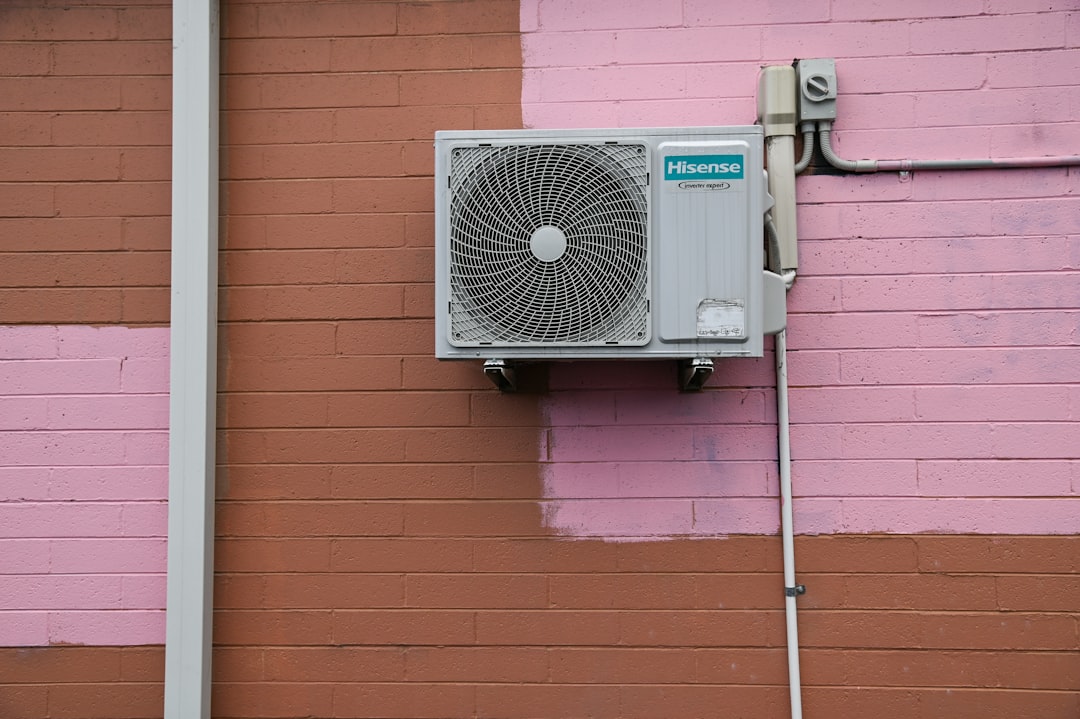
Not sure what’s running through your pipes? You can usually find out in under sixty seconds. Head outside to your condenser unit (the big box with the fan). There should be a metal "nameplate" or sticker that lists technical specifications. Look for "Refrigerant Type" or "Factory Charge."
- If it says R-22, your system is quite old and uses the now-banned Freon.
- If it says R-410A, you have the current standard that is being phased down.
- If it says R-454B or R-32, you already have a next-generation system.
If the label is faded, you can also check your user manual or try these AC Troubleshooting Tips Before Calling a Pro to locate your model number and look it up online.
Comparing R-410A to New A2L Refrigerant Technology
The transition to A2L refrigerants isn't just a chemical swap; it involves a change in how the equipment is built. Because A2Ls are "mildly flammable," manufacturers have added several safety layers that weren't necessary with R-410A.
- Feature: GWP Rating; R-410A: 2088 (High); R-454B / R-32 (A2L): 466 – 675 (Low)
- Feature: Safety Class; R-410A: A1 (Non-flammable); R-454B / R-32 (A2L): A2L (Mildly flammable)
- Feature: Efficiency; R-410A: Standard; R-454B / R-32 (A2L): High
- Feature: Safety Sensors; R-410A: Not Required; R-454B / R-32 (A2L): Required (RDS)
While the word "flammable" can sound scary, these refrigerants are incredibly difficult to ignite. In fact, they are already used safely in most modern car air conditioners. For extra peace of mind, many homeowners opt for an Air Conditioning Protection Plan to ensure their new technology is always monitored by experts.
Safety features in new A2L systems
New A2L systems come equipped with a Refrigerant Detection System (RDS). If the system detects a leak, it doesn't just sit there; it takes action. The RDS can automatically shut off the cooling cycle and turn on the indoor blower fan to dissipate the refrigerant, preventing it from reaching a concentration where it could become a hazard.
If you notice your indoor fan is running but your AC is not turning on, it could actually be a safety feature of these new systems indicating that a leak has been detected and mitigated.
Environmental trade-offs and PFAS concerns
While A2L refrigerants solve the global warming problem, some environmental advocates point to the presence of PFAS, or "forever chemicals," in certain blends like R-454B (which contains R-1234yf). These chemicals don't break down easily in the environment.
This is why the industry is focusing so heavily on leak prevention and proper recycling. By ensuring your system stays sealed through regular AC tune-ups, you are doing your part to keep these chemicals where they belong—inside the machine, doing their job.
Managing Repairs and Upgrades in the New Regulatory Landscape
We often get asked if it’s better to repair an old R-410A unit or jump to a new A2L system. There is no one-size-fits-all answer, but the "50% rule" is a good guide: if a repair costs more than 50% of the price of a new unit, it’s usually time to upgrade.
Because of the new safety sensors and updated compressors, new HVAC systems are expected to cost 20% to 30% more than the older models. However, you can offset this through a HVAC Protection Plan which helps manage the long-term health of the unit.
How ac refrigerant changes affect homeowners' financial planning
The good news is that the government is helping bridge the gap. Under the Inflation Reduction Act, homeowners can claim federal tax credits for energy-efficient upgrades.
- You may be eligible for up to $600 for high-efficiency central air conditioners.
- You can claim up to $2,000 for qualified heat pumps.
If your AC circuit breaker keeps tripping, it might be a sign that your old system is drawing too much power and nearing the end of its life. Investing in a new system now can lock in higher efficiency and lower operating costs for the next 15 years.
Critical signs of a refrigerant leak
Regardless of which refrigerant your system uses, a leak is always bad news. Refrigerant is the "blood" of your AC; it doesn't get "used up" like gasoline. If it’s low, there’s a hole.
Watch out for these red flags:
- Warm Air: If your AC is blowing warm air, it can’t absorb heat properly.
- Ice Formation: Low pressure causes the coils to drop below freezing. If you see ice forming on your AC unit, turn it off immediately to prevent compressor damage.
- Hissing or Bubbling: This is the literal sound of your money escaping into the atmosphere.
Frequently Asked Questions About Refrigerant Changes
Do I need to replace my AC immediately?
No. There is no law requiring you to replace a functional R-410A system. You can continue to use it as long as it works. The 2026 mandate only applies to the manufacturing and installation of new equipment. If your system is running fine, just make sure you check your thermostat and keep up with maintenance.
Can my old system be retrofitted for new refrigerants?
Unfortunately, no. A2L refrigerants operate at different pressures and require different lubricants and safety sensors. Attempting to put R-454B into an R-410A system is dangerous and will likely destroy the compressor. When the time comes, a full system replacement is necessary.
Will R-410A become unavailable?
Not immediately, but it will become scarcer. The EPA is reducing production in steps (the "phase-down"). While reclaimed R-410A will be available for many years to service existing units, the price per pound is expected to rise as the supply of virgin gas disappears. This makes fixing leaks early even more critical.
Conclusion
Navigating how ac refrigerant changes affect homeowners doesn't have to be a headache. While the industry is shifting toward more eco-friendly A2L refrigerants like R-454B and R-32, your primary goal remains the same: keeping your home comfortable and your costs predictable.
At MyHappyHome™, we specialize in removing the stress from homeownership. Our membership plans provide comprehensive coverage for your HVAC, plumbing, and electrical systems, ensuring that whether you have a classic R-410A unit or a brand-new A2L system, you have access to a nationwide network of vetted professionals.
We stand behind our "MyHappyHome™ Promise"—if something breaks, we’re there to fix it. Don't let regulatory changes or unexpected repair bills keep you up at night. Explore our membership plans today and enjoy the peace of mind that comes with knowing your home is protected.