
What to do when your AC keeps killing the power
Understanding Why Your AC Circuit Breaker Keeps Tripping and What It Means
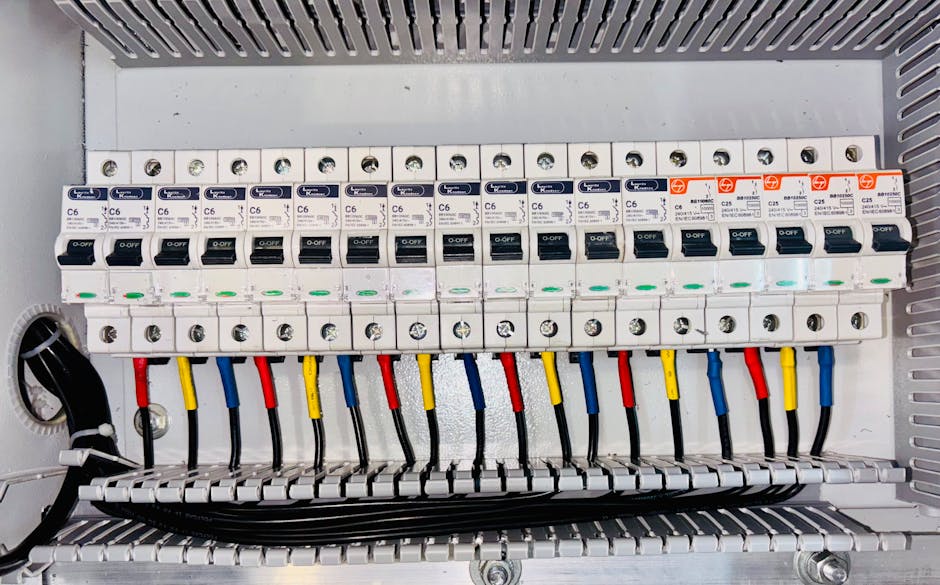
When we talk about ac circuit breaker keeps tripping what it means, we have to look at the math of your home’s electrical system. Every circuit in your house has a specific "amperage limit." Think of this like a speed limit for electricity. A typical central air conditioning system runs on a dedicated 220-volt circuit with a double-pole breaker, usually rated for 30 to 50 amps. In O'Fallon, where summer temperatures can soar, your AC is often pushed to its absolute limit, making the integrity of this circuit vital for your comfort.
A double-pole breaker is essentially two breakers linked together that take up two slots in your panel. It provides the heavy-duty power required to run both the outdoor compressor and the indoor blower motor. If your AC suddenly demands 60 amps on a 40-amp circuit, the breaker "trips" (flips to the middle or "off" position) to prevent the copper wiring in your walls from melting. This is a critical safety mechanism designed to prevent electrical fires before they start.
Understanding this Electrical safety feature is the first step. The breaker isn't "broken" because it tripped; it is performing a vital Services function. However, if it trips repeatedly, it means there is a persistent overcurrent or a "short" that needs to be addressed before you cause permanent damage to your expensive HVAC components. Ignoring these signs can lead to catastrophic failure of the system's most vital parts, turning a minor electrical issue into a major household headache.
Common Mechanical Causes for Power Interruptions
Surprisingly, the most common reason for an electrical trip isn't an electrical problem at all—it’s a maintenance issue. Your air conditioner is designed to move a specific amount of air. When that airflow is blocked, the motors have to work significantly harder to do the same amount of work, drawing more power than the circuit is designed to handle.
Imagine trying to breathe through a thick wool sweater while running a marathon. That is exactly what a dirty air filter does to your AC's blower motor. As the motor struggles to pull air through a clogged filter, it draws more and more current. Eventually, that current exceeds the breaker's limit. This mechanical strain doesn't just trip the breaker; it also wears down the motor's internal components, leading to premature failure.
If you find your AC Not Turning On? What to Check First, always start with the filter. A simple maintenance step could save you from a major HVAC repair bill and keep your home cool during the most humid Missouri afternoons.
How Dirty Components Cause Your AC Circuit Breaker to Keep Tripping and What It Means
The outdoor unit, known as the condenser, is responsible for releasing the heat collected from inside your home. It uses a series of copper coils and aluminum fins to dissipate this heat into the outdoor air. Over time, these coils get coated in grass clippings, dirt, spider webs, and cottonwood seeds, which act as a layer of insulation.
When the condenser coils are dirty, the heat can’t escape, so the refrigerant stays hot. This forces the compressor to work at much higher pressures to move that heat, which causes its energy consumption to skyrocket. In the peak heat of an O'Fallon summer, a dirty condenser can easily push a system over its amperage limit. This isn't just an efficiency issue; it's a mechanical strain that shortens the lifespan of your equipment. Regular Electrical Maintenance & Inspection often includes checking these power-hungry connections to ensure everything is running efficiently and safely.
Mechanical Failures and Your AC Circuit Breaker Keeps Tripping: What It Means for Your System
If your filters and coils are clean but the tripping persists, we may be looking at a failing internal component. These issues require professional diagnostic tools to identify accurately. Here are the "Big Three" mechanical-electrical failures:
- Failing Capacitor: This is a small cylindrical device that acts like a battery to give your motors a "boost" during startup. If the capacitor is weak, the motor will struggle to start, drawing "Locked Rotor Amps" (a massive surge of power) that trips the breaker instantly.
- Fan Motor Burnout: If the outdoor fan motor's bearings seize or the internal windings short out, the motor will draw excessive power or create a direct short, killing the power immediately. This often happens when the motor is forced to run at high temperatures for extended periods.
- Compressor Failure: The compressor is the "heart" of your system. As it ages, the internal valves can wear down, or the motor windings can begin to fail. This often leads to "hard starting," where the unit hums loudly for a few seconds before the breaker snaps off. This is a sign that the motor is drawing maximum current just to get the internal pistons moving.
In many cases, an AC Repair Service technician can install a "hard start kit"—essentially a high-powered capacitor—to help an aging compressor turn over without tripping the breaker, extending the life of your unit and providing a temporary solution while you plan for future upgrades.
Recognizing Dangerous Electrical Faults and Short Circuits
While mechanical strain is a common culprit, we cannot ignore the danger of a direct electrical fault. This is where ac circuit breaker keeps tripping what it means takes a turn toward safety and the protection of your home's infrastructure.
- Short Circuits: This happens when a "hot" wire touches a "neutral" wire. This creates an immediate path of least resistance, causing a massive spike in current that trips the breaker instantly. This can be caused by rodents chewing on wires in the attic or vibration rubbing the insulation off over time within the unit itself.
- Ground Faults: This occurs when a hot wire touches a grounded part of the system, like the metal casing of the AC unit. This is extremely dangerous because it can "electrify" the exterior of the unit, posing a significant shock hazard to anyone performing yard work or children playing nearby. In the humid Missouri climate, moisture can exacerbate these issues, leading to rapid corrosion of exposed terminals.
- Arcing: If you hear a buzzing or popping sound near your electrical panel or the outdoor disconnect box, you likely have loose wiring. Loose connections create "arcs" of electricity that generate intense heat, which can melt wire nuts and start fires. This is a critical situation that requires immediate professional intervention.
If you smell something burning or see smoke, turn the power off at the main panel immediately and call for Electrical Repair Service. Protecting your family from electrical hazards is always the top priority.
Professional Solutions for Persistent Power Issues
When a breaker trips once, it might be a fluke (like a power surge during a thunderstorm). When it trips twice, it’s a pattern. When it trips three times, it’s a cry for help from your electrical system.
SymptomLikely CauseUrgencyProfessional FixTrips after 30+ minutesDirty Filter/CoilsMediumDeep Cleaning & Filter SwapTrips immediately on startShort Circuit/Grounded CompressorCriticalComponent ReplacementLoud hum, then tripsBad CapacitorHighCapacitor ReplacementBreaker feels hot to touchFaulty Breaker/Loose WireCriticalElectrical Installation & Upgrade
Professional technicians use diagnostic tools like a "megohmmeter" to test the insulation of your compressor’s motor or an amp clamp to see exactly how much juice the system is pulling. These tools allow us to find the root cause without "parts cannoning" your system (guessing and replacing parts unnecessarily). By measuring the resistance in the motor windings, we can predict a failure before it happens, saving you from a total system shutdown during a heatwave. Our goal is to provide a precise diagnosis that addresses the underlying electrical instability rather than just treating the symptom of a tripped switch.
Frequently Asked Questions About AC Electrical Trips
Is it safe to keep resetting my AC circuit breaker?
No. You should only attempt to reset the breaker once. If it trips a second time, there is a legitimate electrical or mechanical fault. Repeatedly forcing a breaker to stay on can lead to "heat soak" in the wiring, which can eventually cause a house fire or permanently "cook" your AC compressor.
Why does my AC trip the breaker immediately after starting?
This usually indicates a "dead short" or a "short to ground." It means electricity is flowing directly where it shouldn't be. Common causes include a burned-out compressor winding or a failed start capacitor. Because the surge is so high and so fast, the breaker snaps open instantly to protect the panel.
Can an aging air conditioner cause frequent breaker trips?
Yes. As we move through April 2026, many older systems (12–15+ years old) are reaching the end of their service life. Over time, the internal lubrication in the compressor breaks down, making it harder for the motor to turn. This increased friction requires more amperage. While a hard start kit can help for a season or two, frequent tripping in an old unit is often a sign that a full system replacement is on the horizon.
Conclusion
At My Happy Home, we believe homeownership shouldn't be a series of stressful surprises. When your ac circuit breaker keeps tripping what it means is that your home is trying to tell you something is wrong. Whether it’s a simple filter change or a complex compressor issue, ignoring the sign can lead to much more expensive repairs down the road. Our mission is to provide the protection you need to keep your household running smoothly regardless of the weather outside.
Our membership plans are designed to take the guesswork out of these moments. With comprehensive coverage for your HVAC, electrical, and plumbing systems, you don't have to worry about the "what ifs." Our licensed, vetted technicians are available 24/7 to ensure your home stays cool, safe, and functional. We handle everything from the initial request to the final repair, providing a seamless experience that keeps your household running smoothly and efficiently.
Don't spend your summer flipping switches in a dark garage or worrying about the next power failure. Schedule your AC Repair Service today and let us bring the "happy" back to your home with our Happy Home Promise. We are your dedicated partners in maintaining a safe, comfortable, and worry-free living environment for you and your family.