
How tree roots turn your plumbing into a botanical garden
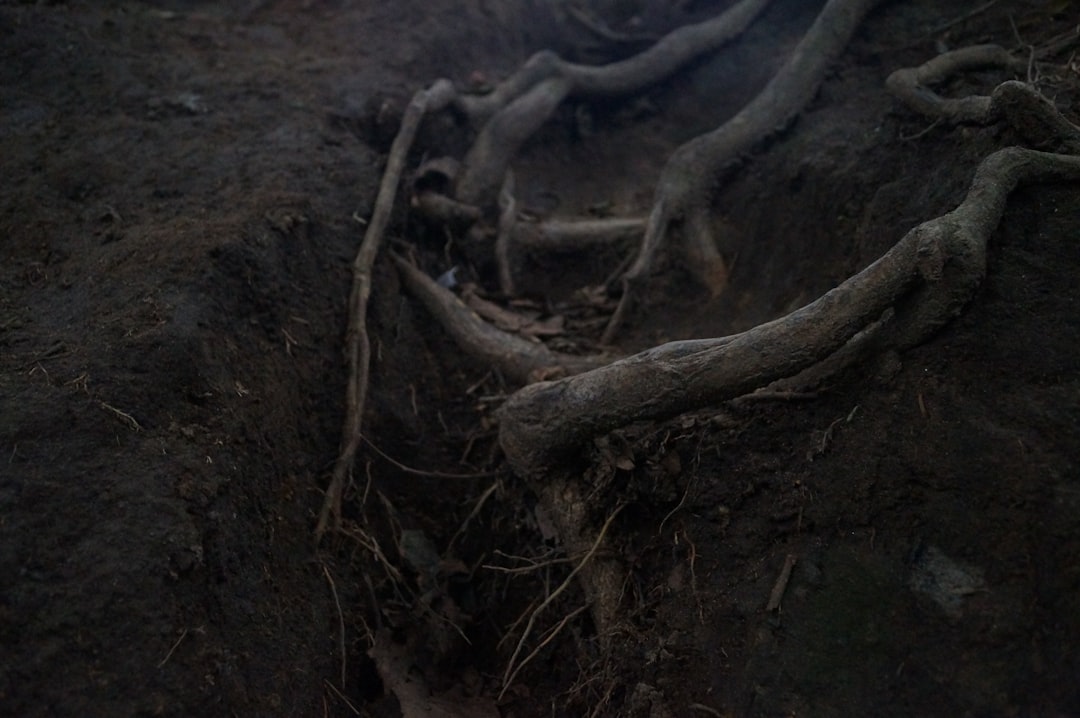
How Tree Roots Cause Drain Blockages (And Why It Happens to So Many Homes)
How tree roots cause drain blockages is one of the most common — and most misunderstood — plumbing problems homeowners face. Here's the short answer:
- Roots seek moisture and nutrients underground, and your sewer line is a prime target.
- They detect vapor escaping from tiny cracks or loose joints in pipes.
- Fine root tips — less than 1 mm wide — squeeze through openings as small as 1/16 of an inch.
- Once inside, they grow fast, feeding on nutrient-rich wastewater.
- Over months or years, they form dense masses that trap debris and restrict flow.
- Left unchecked, they can cause full blockages, pipe cracking, sewage backups, and even sinkholes.
Think about what tree roots do to a concrete sidewalk. Given enough time, a root will crack it clean through. Now imagine that same relentless pressure working on the pipes buried beneath your yard — except you can't see it happening.
That's what makes root intrusion so frustrating for homeowners. There are rarely any warning signs until the problem is already well underway. Your drains start running slow. A toilet gurgles. You notice a patch of grass that looks suspiciously green and lush. By the time sewage backs up into your basement floor drain, the roots may have been growing inside your pipes for years.
The U.S. EPA estimates between 23,000 and 75,000 sanitary sewer overflows occur every year in the United States — and tree root intrusion is one of the leading mechanical causes. Older homes are especially vulnerable, since pipes made from clay, cast iron, or Orangeburg (common before the 1980s) have joints and seams that degrade over time, giving roots exactly the opening they need.
This guide walks you through everything: how roots find and enter your pipes, which trees are the biggest culprits, how to spot the warning signs early, and what professionals do to fix the problem — for good.

The Science Behind How Tree Roots Cause Drain Blockages
To understand how tree roots cause drain blockages, we have to look at the world from a tree’s perspective. Trees are biologically programmed to survive, and survival means finding water. This process is called hydrotropism—the growth of plant roots toward a moisture source.
Your sewer pipes are essentially underground buffets. They carry warm water, oxygen, and a constant stream of nutrients (which, to a tree, is just high-quality fertilizer). Even if a pipe is buried several feet deep, it emits a "thermal signature" and moisture vapors that roots can detect from a distance.
Why Certain Pipes Invite Root Intrusion
Not all pipes are created equal, and in older areas like O'Fallon, MO, the material of your sewer lateral plays a huge role in vulnerability.
- Clay Tile: Historically the most common material for residential sewers until the 1970s. These pipes were often installed in short sections with "hub-and-spigot" joints sealed with mortar or oakum. Over decades, this sealant degrades, leaving gaps that are an open invitation for roots.
- Cast Iron: While strong, cast iron is prone to corrosion. As it rusts, it develops pinholes and cracks—perfect entry points for thirsty root hairs.
- Orangeburg: Made of bituminized fiber (essentially wood pulp and tar), these pipes were popular between 1940 and 1970. They are notoriously weak and often flatten or deform under the pressure of even small roots, eventually collapsing entirely.
When these materials fail, they create Sewer Line Repair Service needs that can quickly escalate if the biological intrusion isn't stopped.
The Progression from Hairline Entry to Full Blockage
The invasion starts small. A microscopic root hair, often less than 1 millimeter in diameter, finds a gap as small as 1/16 of an inch. Once inside, the environment is perfect for growth.
The root begins to branch out, creating a fibrous mass that looks like a ponytail inside your pipe. This mass acts as a strainer, catching toilet paper, grease, and solid waste. This is where the real trouble begins: the blockage isn't just wood; it's a structural "dam" of debris. As the roots grow thicker, they exert incredible pressure on the pipe walls, eventually leading to structural strain, pipe displacement, or a total collapse of the line. If you are experiencing these issues, a professional Plumbing Repair Service is required to restore flow.

Identifying the Signs of a Subterranean Jungle
Because the damage happens underground, we have to look for secondary clues. Recognizing these signs early can save you from a major sewage backup.
- Slow-Moving Drains: If your sinks, tubs, and toilets are all draining slowly, the problem is likely in the main sewer line rather than a single fixture.
- Gurgling Sounds: When air is trapped by a root mass, it bubbles back up through the water in your traps, creating a distinct "glug-glug" sound after you flush or drain the tub.
- Unpleasant Odors: The smell of raw sewage or decomposing organic matter near your drains or in the yard is a major red flag.
- Unexplained Lush Patches: Is there a spot in your yard where the grass is greener, taller, and grows faster than anywhere else? The leaking sewage is literally fertilizing that patch from beneath.
To catch these issues before they become emergencies, an annual Plumbing Maintenance Inspection is your best line of defense.
How Tree Roots Cause Drain Blockages and Yard Damage
Beyond the pipes, root intrusion can wreak havoc on your property’s landscape. "Exfiltration" occurs when wastewater leaks out of the root-damaged pipe, saturating the soil. This can lead to:
- Sinkholes: As soil is washed away or becomes overly saturated, the ground above can collapse.
- Foundation Threats: If the leak is close to your home, the constant moisture can cause the soil to shift, potentially cracking your foundation.
- Saturated Soil: Soft, mushy spots in your yard during dry weather are a clear sign of a subterranean leak.
High-Risk Tree Species to Watch For
In Missouri, we love our trees, but some are much more aggressive than others. If you have these species within 30 feet of your sewer line, you are at a higher risk:
- Willows: Known for having the most aggressive root systems; their roots can travel over 100 feet.
- Poplars and Cottonwoods: These trees grow incredibly fast and have a high demand for water.
- Silver Maples: While beautiful, they have shallow, wide-spreading roots that are notorious for finding pipe joints.
- American Elms: Very thirsty trees with extensive root networks.
Understanding the Plumbing layout of your property is essential when planning your landscaping to avoid these high-risk interactions.
Modern Diagnostic and Removal Strategies
Gone are the days when we had to dig up the entire yard just to find a clog. Today, we use technology to see exactly what’s happening inside your pipes.
Professional Methods for Clearing the Line
The definitive way to diagnose the problem is through a CCTV camera inspection. A waterproof camera is snaked through the line, allowing us to see the extent of the root mass and the condition of the pipe.
- Method: Mechanical Cutting; How it Works: A motorized auger with rotating blades cuts through the roots.; Best For: Immediate clearing of heavy root masses.
- Method: Hydro-jetting; How it Works: High-pressure water (up to 4,000 PSI) blasts roots and debris away.; Best For: Scouring pipes clean and removing grease/sludge.
- Method: Chemical Retardants; How it Works: Foaming herbicides kill remaining root ends to slow regrowth.; Best For: Post-clearing maintenance.
For homeowners dealing with stubborn clogs, Drain Cleaning Repair services often combine these methods for the best results.
Permanent Solutions for Recurring Root Intrusion
If roots have structurally damaged the pipe, simply cutting them out is a temporary fix—they will grow back, often within 12 to 24 months. For a permanent solution, we look toward trenchless technology:
- Pipe Relining (CIPP): We insert a resin-saturated liner into the old pipe. Once it cures, it creates a "pipe within a pipe" that is seamless, meaning there are no joints for roots to enter.
- Pipe Bursting: A new HDPE pipe is pulled through the old one, breaking the old pipe apart as it goes. This is ideal for pipes that have collapsed or are too small.
These "no-dig" methods save your landscaping and provide a Sewer Line Repair Service that can last 50 years or more.
Proactive Prevention and Membership Protection
The best way to handle how tree roots cause drain blockages is to stop them before they start.
- Strategic Landscaping: Plant large trees at least 20 feet away from sewer lines. Choose "slow-growing" species with less aggressive roots, like Dogwoods or Japanese Maples.
- Root Barriers: You can install physical barriers made of heavy-duty plastic or geotextile fabric between the tree and the sewer line to redirect root growth downward.
- Regular Maintenance: Don't wait for a backup. Scheduling a Plumbing Maintenance Inspection allows us to catch hairline intrusions before they become "botanical gardens."
Maintaining Your System
Membership with My Happy Home ensures you aren't navigating these issues alone. By including Plumbing coverage in your home protection plan, you get access to vetted professionals who can perform routine jetting and inspections, keeping your system vapor-tight and root-free.
Frequently Asked Questions About Root Intrusion
Can tree roots penetrate modern PVC pipes?
Yes, but it’s harder. Modern PVC uses solvent-welded joints that are essentially a single piece of plastic, leaving no gaps for roots. However, if the pipe is damaged by ground settling, or if the joints weren't properly sealed during installation, roots can still find a way in.
Will removing the tree solve my existing pipe blockage?
Not immediately. While cutting down the tree stops new growth, the roots already inside the pipe are still there. Furthermore, a tree stump can remain biologically active for 1 to 3 years after the tree is felled. You will still need a professional to clear the existing mass.
How quickly can roots grow back after being cleared?
In high-nutrient environments, roots can grow back to a significant size in as little as 6 to 18 months. Without a permanent seal (like relining) or chemical retardants, you can expect to need mechanical clearing every 1 to 2 years.
Conclusion
Understanding how tree roots cause drain blockages is the first step in protecting your home’s infrastructure. From the microscopic entry of a single root hair to the structural collapse of an old clay pipe, the process is relentless but preventable.
At My Happy Home, we believe homeownership shouldn't be a series of stressful surprises. Our comprehensive membership plans cover your plumbing, HVAC, electrical, and appliances under one affordable monthly plan. With a nationwide network of licensed technicians, we handle the diagnostics, the clearing, and the repairs, so you can enjoy your yard — and your plumbing — in peace.
Don't let your sewer line become a subterranean forest. Explore our Drain Cleaning Repair options and join the My Happy Home family today for worry-free protection.