
The lazy homeowner's guide to never dealing with a clog again

Why Most Drain Clogs Are 100% Preventable (And What to Do About It)
How to prevent drain clogs in your home comes down to a handful of simple habits — and most take less than 30 seconds a day. Here's a quick answer:
- Use drain screens and hair catchers in every sink, shower, and tub
- Never pour grease, oil, or fat down the kitchen sink — let it cool and trash it
- Scrape plates into the bin before rinsing dishes
- Flush only toilet paper — nothing else, ever
- Run hot water through drains weekly to break up early buildup
- Use a baking soda and vinegar treatment monthly to keep pipes clear
- Schedule professional drain cleaning every 18 to 22 months
Picture this: you step into the shower after a long day, and the water starts pooling around your ankles. It's one of those small household problems that feels disproportionately annoying — because it is. And the frustrating part? It was almost certainly avoidable.
Clogged drains are one of the most common plumbing problems homeowners deal with. Hair, grease, soap scum, food scraps, and non-flushable wipes are the usual suspects. In multi-person households, a shower drain without a screen can build up enough hair to cause a partial blockage in as little as 30 to 60 days. And if your home is among the roughly 85% of U.S. households supplied with hard water, mineral buildup quietly narrows your pipes over time too — even if you're doing everything else right.
The good news? A little awareness and a few consistent habits can stop the vast majority of clogs before they ever form.
This guide walks you through exactly what to do — room by room, week by week — so you can stop dealing with slow drains and start enjoying a home that just works.
The Room-by-Room Strategy for how to prevent drain clogs in your home
Every room in your house uses water differently, which means the "enemy" changes depending on where you are. In O'Fallon, MO, we see a variety of plumbing layouts, but the biological and chemical culprits remain the same. If you want to master Drain Cleaning Repair, you first have to understand what shouldn't be in the pipes to begin with.
Managing Kitchen Grease and Food Scraps
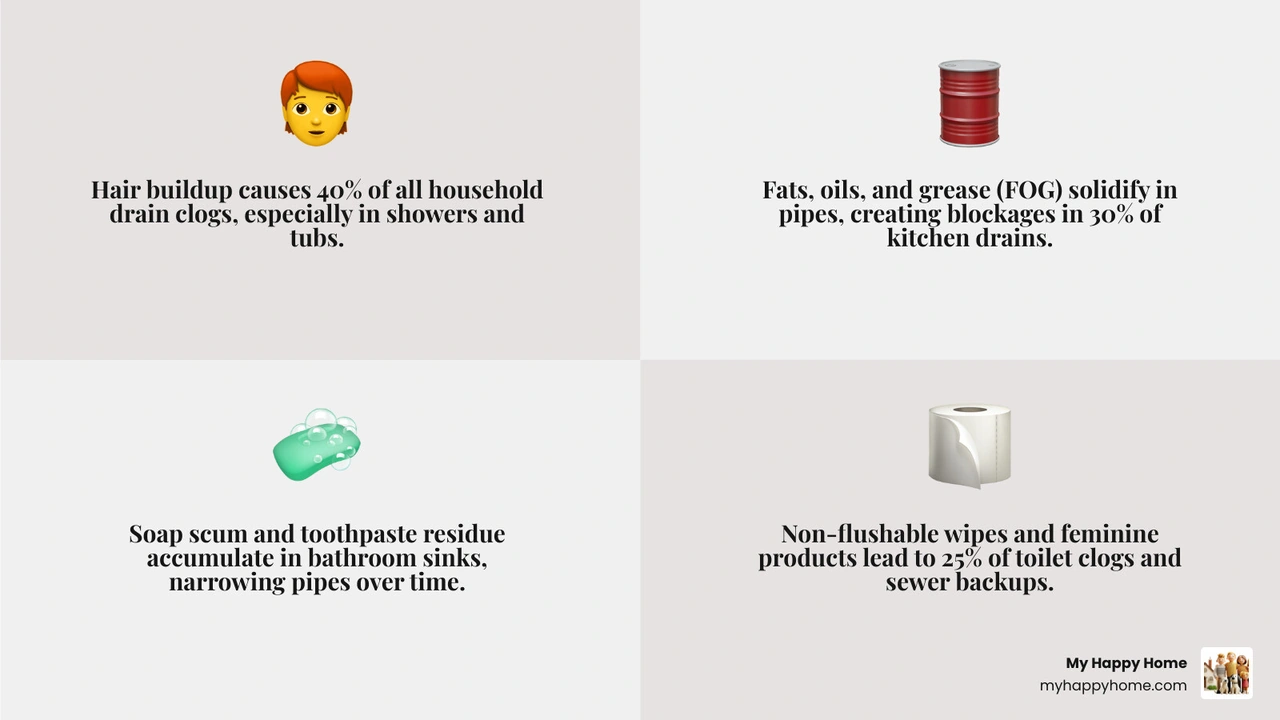
The kitchen is often the "ground zero" for the most stubborn clogs. The primary villain here is FOG: Fats, Oils, and Grease. When you pour liquid grease down the drain, it might look harmless, but as it travels into the cooler pipes under your home, it solidifies. Over 3 to 6 months, this creates a waxy, sticky layer that traps every other food particle passing by.
To keep your Plumbing healthy, follow these kitchen rules:
- The Grease Jar: Keep an old glass jar or coffee can under the sink. Pour all cooking oils and meat drippings into it. Once it solidifies, toss it in the trash.
- Plate Scraping: Use a spatula to scrape every bit of food into the compost or trash before the plate even touches the sink.
- Garbage Disposal Myths: Your disposal is not a trash can. Avoid these "disposal killers":
- Coffee grounds: They settle in the trap and turn into a sludge that resembles wet sand.
- Starchy foods: Pasta, rice, and potato peels swell when they hit water, creating a thick paste.
- Fibrous veggies: Celery and onion skins can wrap around the blades.
- Eggshells: The membrane can get stuck, and the shells don't actually "sharpen" blades as the old wives' tale suggests.
Bathroom Habits to prevent drain clogs in your home
In the bathroom, hair is the undisputed #1 cause of clogs. When hair combines with the sticky fats found in bar soap (soap scum) and the thick binders in toothpaste, you get a "hair monster" that is incredibly difficult to remove without professional tools.
We recommend switching to liquid soap if you struggle with recurring slow drains. Liquid soaps don't contain the same tallow or paraffin found in many bars, which significantly reduces the buildup on the walls of your pipes. Also, make it a habit to brush your hair before you hop in the shower. This removes loose strands that would otherwise end up in the drain.
Laundry and Utility Room Care
Often overlooked, the laundry room can be a major source of lint and sediment clogs. Modern synthetic fabrics shed thousands of micro-fibers during a wash cycle. If your washing machine drain hose doesn't have a lint trap, all that "fuzz" goes straight into your Plumbing Repair Service.
Install a simple mesh lint catcher over the end of the washing machine discharge hose. You’ll be shocked at how much debris it catches in a single week. Additionally, if you use the utility sink to rinse off muddy boots or paintbrushes, ensure you have a fine-mesh strainer in place to catch heavy sediment and solids.
Essential Habits to Stop Blockages Before They Start
Prevention is about physical barriers and smart behaviors. If you can stop the debris from entering the pipe, you never have to worry about how to get it out. This is especially important for Drain Cleaning Repair Raleigh NC and other regions where older infrastructure might be more sensitive to blockages.
Using Screens and Hair Catchers to prevent drain clogs in your home
The single most effective tool in your arsenal is the mesh drain screen. These are inexpensive, stainless steel or silicone inserts that sit over your drain. In a multi-person household, a shower can accumulate enough hair to cause a partial obstruction within 30 to 60 days. By using a screen, you catch that hair at the surface.
- Maintenance Tip: Empty the hair catcher after every shower. If it starts to look "slimy," give it a quick scrub with an old toothbrush to ensure water can still flow freely.
The Golden Rule of Toilet Flushing
Your toilet is designed for exactly two things: human waste and toilet paper. That’s it. Even if a product is labeled "flushable," it rarely is. "Flushable" wipes do not break down like toilet paper; instead, they snag on pipe imperfections and create "fatbergs."
- Never Flush: Feminine hygiene products, cotton swabs, dental floss (which acts like a net), paper towels, or cigarette butts.
- The Trash Bin Rule: Keep a small, lidded trash can next to every toilet. If it didn't come out of your body or isn't standard TP, it goes in the bin.
Routine Maintenance: The 2026 Guide to Healthy Pipes
Even with perfect habits, pipes need a little TLC to stay clear of organic buildup and mineral deposits. In April 2026, we are seeing more homeowners move away from harsh chemicals in favor of safer, enzymatic solutions.
Dealing with Hard Water and Mineral Buildup
Approximately 85 percent of U.S. households are supplied with hard water. This means your water is carrying dissolved minerals like calcium and magnesium. Over time, these minerals settle on the inside of your pipes, creating "scale." This scaling narrows the diameter of the pipe, making it much easier for a small piece of hair or food to get snagged.
If you notice white spots on your faucets, you likely have hard water. While a water softener is the long-term solution, regular maintenance in cities like Drain Cleaning Repair Atlanta GA can help keep that scale from becoming a total blockage.
Monthly and Weekly Cleaning Schedules
To keep your pipes "heart-healthy," we suggest a simple schedule:
- Weekly: Pour a kettle of boiling water down your kitchen and bathroom drains. This helps melt away soap scum and residual fats before they harden. (Note: Use very hot, not boiling, water if you have PVC pipes to avoid warping).
- Monthly: Use the baking soda and vinegar method. Pour half a cup of baking soda down the drain, followed by half a cup of vinegar. Let it fizz for 15 minutes, then flush with hot water. This natural reaction is great for Drain Cleaning Repair Chicago IL residents looking for eco-friendly maintenance.
- Enzymatic Cleaners: Unlike chemical "drain openers," enzymatic cleaners use natural bacteria to "eat" the organic gunk in your pipes. They are safe for all pipe materials and essential for homes with septic systems.
- Feature: Safety; Natural (Baking Soda/Vinegar/Enzymes): Safe for all pipes and septic systems; Chemical (Lye/Acid): Can corrode pipes and damage gaskets
- Feature: Environment; Natural (Baking Soda/Vinegar/Enzymes): Eco-friendly and biodegradable; Chemical (Lye/Acid): Toxic to groundwater
- Feature: Action; Natural (Baking Soda/Vinegar/Enzymes): Breaks down organic matter slowly; Chemical (Lye/Acid): Dissolves clogs through heat/corrosion
- Feature: Prevention; Natural (Baking Soda/Vinegar/Enzymes): Excellent for regular maintenance; Chemical (Lye/Acid): Too harsh for regular use
Recognizing Warning Signs and Knowing When to Call a Pro
Sometimes, despite your best efforts, a clog starts to form deep in the system. Recognizing the signs early can save you from a messy (and expensive) backup. This is a key part of Drain Cleaning Repair Philadelphia PA services.
Early Warning Signs of a Developing Clog
- Slow Drainage: If your sink takes longer to empty than it used to, don't ignore it.
- Gurgling Noises: This sounds like "glug-glug" coming from the drain or the toilet when you run water elsewhere. It means air is being trapped by a blockage.
- Foul Odors: Rotting food or stagnant water smells indicate that debris is stuck and decomposing in your pipes.
- Water Pooling: If you see water around your floor drains in the basement or laundry room, your main line might be struggling.
When to call for professional help to prevent drain clogs in your home
While a plunger can fix a simple toilet clog, some issues require the pros. You should call a licensed plumber if:
- Multiple fixtures are backed up: If the kitchen sink and the shower are both slow, the problem is likely in the main sewer line.
- The toilet bubbles when you run the sink: This is a classic sign of a main line issue.
- The clog keeps coming back: Recurring clogs in the same spot usually mean there is a structural issue, like a broken pipe or tree roots.
- You smell sewage: This is a health hazard and requires immediate attention in Drain Cleaning Repair Houston TX.
Expert insight suggests that sewer drains should be cleaned every 18 to 22 months to be truly effective. This preventative maintenance removes tree roots and mineral scale before they cause a total shutdown.
Frequently Asked Questions
How often should I have my sewer lines professionally cleaned?
For the average home, a professional cleaning and inspection every 18 to 22 months is the "sweet spot." This allows a plumber to use tools like hydro-jetting to clear out the main sewer lateral and check for any invasive tree roots that naturally seek out the moisture in your pipes.
Are chemical drain cleaners safe for my PVC pipes?
Generally, we advise against them. Chemical cleaners generate intense heat to dissolve clogs. This "thermal stress" can actually warp or melt PVC pipes and degrade the rubber gaskets that seal your plumbing joints. Stick to enzymatic cleaners or mechanical methods like a plunger or hand-cranked snake.
Can hard water actually cause a total drain blockage?
Yes. While it happens slowly, mineral scaling can reduce a 4-inch pipe down to a 2-inch opening over several years. This restricted flow makes it much easier for hair and soap scum to snag and create a complete blockage. In 85 percent of U.S. homes, hard water is the "silent partner" in almost every major clog.
Conclusion
Maintaining a clog-free home doesn't have to be a full-time job. By adopting a "no-grease" policy in the kitchen, using hair catchers in the bathroom, and performing a simple monthly flush, you can keep your plumbing flowing smoothly for years to age.
At My Happy Home, we believe homeownership should be about comfort, not constant repairs. Our Drain Protection Plan is designed to give you total peace of mind. Whether it’s a stubborn kitchen sink or a main line issue, our membership ensures that expert help is always just one call away with predictable, stress-free service. Ready to say goodbye to plumbing surprises? Explore our protection plans today and keep your O'Fallon home running exactly the way it should.