
Finding the perfect match for your home HVAC needs
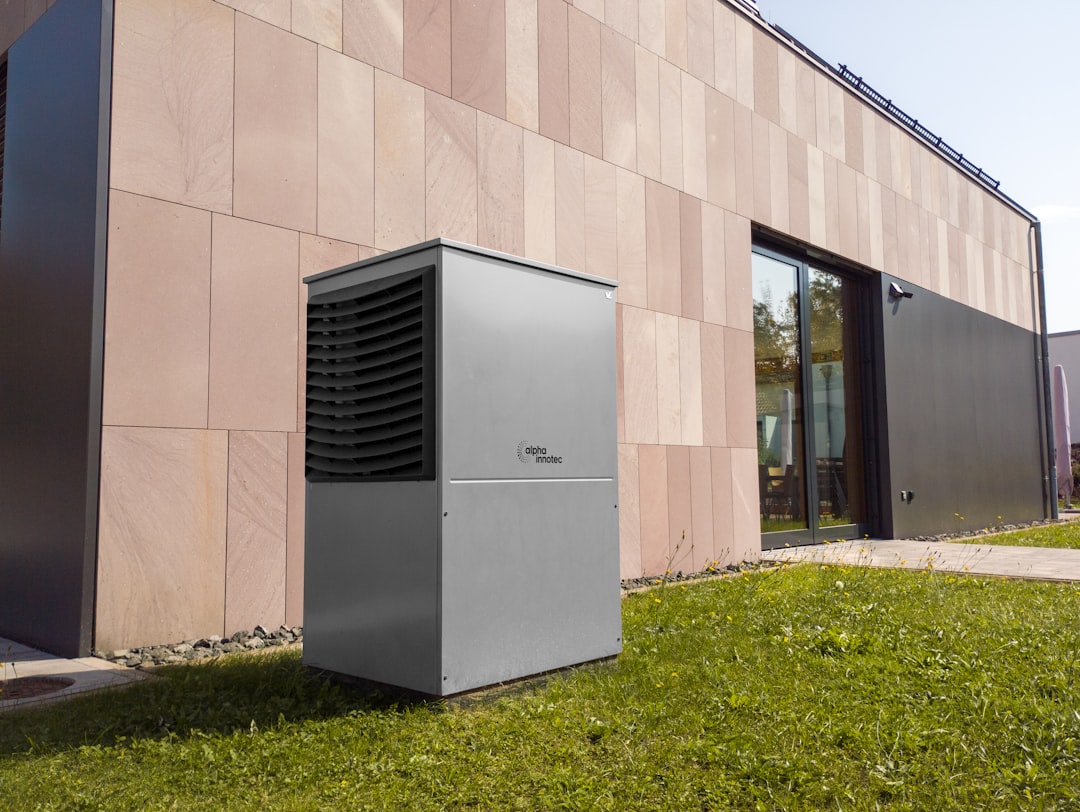
Is a Heat Pump Right for Your Home? Here's What You Need to Know First
Is a heat pump right for your home? For most U.S. homeowners in 2026, the answer is yes — but a few key factors determine how well one will work for your specific situation.
Quick answer: A heat pump is likely a good fit if you:
- Have existing ductwork in good condition (or are open to ductless options)
- Live in a mild-to-moderate climate — or are willing to consider a cold-climate model
- Want one system that handles both heating and cooling year-round
- Are looking to reduce energy bills, especially if you currently use electric resistance, propane, or fuel oil
- Have (or can upgrade to) adequate electrical capacity
A heat pump may need more planning if you:
- Live in a region with extended periods below 0°F and no backup heating option
- Have an older home with undersized or poorly sealed ductwork
- Have an electrical panel that cannot support the added load without an upgrade
More than 5 million heat pumps were sold across the U.S. in 2024 — outselling traditional gas furnaces for the first time. That's not a coincidence. Homeowners are discovering that a single system can heat and cool their home while using significantly less energy than older setups. In fact, heat pumps can deliver up to three times more heat energy than the electrical energy they consume.
But "popular" doesn't automatically mean "perfect for every home." The right answer depends on your climate, your home's infrastructure, and what you're replacing. This guide walks you through everything you need to know to make a confident, informed decision.
Is a Heat Pump Right for Your Home?
At its core, a heat pump is a dual-functionality marvel. Unlike a furnace that creates heat by burning fuel or an electric heater that uses resistance, a heat pump simply moves heat from one place to another. During the summer, it acts exactly like a central air conditioner, pulling heat from inside your home and dumping it outside. In the winter, it reverses the refrigeration cycle, extracting thermal energy from the outdoor air (even when it feels cold!) and pumping it indoors.
The magic happens via four main components: the compressor, the evaporator, the condenser, and an expansion valve. By circulating refrigerant between these parts, the system can provide precise climate control for every season. If you are currently juggling a separate furnace and AC unit, a Heat Pump Installation & Replacement can simplify your life by consolidating your HVAC needs into one efficient machine.
Determining if a heat pump is right for your home's layout
Before making the switch, we need to look at how your home is built. If you have an existing central HVAC system, we will perform a thorough ductwork assessment. Heat pumps often require slightly higher airflow than older gas furnaces to maintain comfort. We check for "static pressure" issues to ensure your vents can handle the volume.
For those without ducts—perhaps you live in a historic home or a house with baseboard heat—you aren't left out. Ductless "mini-split" options are incredibly popular in 2026 because they don't require major renovations. If you're in a location like Florida and need a hand, our Heat Pump Repair Service Jacksonville FL experts can help evaluate your current layout.
How heat pumps function in 2026
Modern technology has solved many of the "old" problems associated with heat pumps. Today's units feature variable-speed motors and staged compressors that don't just blast on and off. Instead, they ramp up and down to maintain a perfectly steady temperature. Combined with advanced refrigerants that are better for the planet, these systems boast high efficiency ratings (SEER2 and HSPF2) that far exceed what was available just a decade ago.
Comparing System Types for Every Property
Every home is unique, and there is a heat pump type for almost every scenario.
- System Type: Air-Source; Best For: Most residential homes; Main Benefit: Cost-effective and easy to install
- System Type: Geothermal; Best For: Large lots / New builds; Main Benefit: Maximum efficiency and 25+ year lifespan
- System Type: Ductless Mini-Split; Best For: Homes without ducts; Main Benefit: Individual room temperature control
- System Type: Hybrid (Dual-Fuel); Best For: Very cold climates; Main Benefit: Uses gas backup only when needed
Is a heat pump right for your home if you have a small lot?
Urban living shouldn't stop you from going green. If you have a compact yard or a narrow side-lot, modern "side-discharge" units are a game changer. These units are slim and blow air horizontally rather than vertically, allowing them to tuck into tight spaces where a traditional bulky AC wouldn't fit. For homeowners in areas where space is at a premium, like Southern California, our Heat Pump Installation Replacement San Diego CA team can show you how these sleek designs fit your property.
Choosing between ducted and ductless configurations
If your home has a "good bones" duct system, a standard ducted heat pump is the most straightforward replacement for a furnace/AC combo. However, if you have a room that’s always too hot or a historic home where adding ducts would ruin the architecture, ductless mini-splits are the answer. They allow for multi-zone control, meaning you can keep the bedroom cool while saving energy in the living room. If you ever run into trouble with these specialized systems, our Heat Pump Repair Service San Antonio TX professionals are trained in both traditional and ductless tech.
Infrastructure Requirements and Climate Readiness
Switching to a heat pump isn't just about the unit outside; it’s about the "spine" of your home. Since heat pumps run entirely on electricity, we often check your electrical panel first. You’ll typically need a 230V circuit. If your panel is already full, a small upgrade might be necessary to support the new load. Additionally, because heat pumps work best in "tight" homes, checking your insulation levels is a smart move to ensure you aren't literally throwing money out the window. If you’re in Tennessee, our Heat Pump Maintenance Tune-Up Nashville TN crew can help you prep your home infrastructure.
Performance in extreme cold weather
One of the biggest myths we hear is that heat pumps don't work in the cold. While that was true in the 1980s, 2026 technology is a different story. Cold-climate models are now designed to provide 100% of their heating capacity at temperatures as low as 5°F, and some keep working all the way down to -20°F. They use advanced defrost cycles to keep the outdoor coils clear of ice. In places like O'Fallon, MO, where winters can get chilly, these high-performance models ensure you stay cozy without needing a drop of fossil fuel.
Evaluating existing ductwork and ventilation
A heat pump is only as good as the air it can move. We look for "total external static pressure" (TESP). If your ducts are too small or have too many sharp bends, the system has to work harder, which can lead to premature wear. Sealing leaks in your attic or crawl space is often the best "bang for your buck" when installing a new system. For residents in the Northeast, our Heat Pump Maintenance Tune-Up Philadelphia PA experts specialize in optimizing older duct systems for modern airflow needs.
Environmental Impact and Energy Efficiency
If you’re looking to shrink your carbon footprint, is a heat pump right for your home? Absolutely. Switching from a gas furnace to an air-source heat pump can trim household carbon dioxide emissions by about 40%. In fact, studies show that 98% of homes will reduce their carbon footprint by making the switch.
Reducing household emissions
Because heat pumps move heat rather than burning fuel, they are the key to home decarbonization. When you pair a heat pump with renewable energy sources—like solar panels—you can essentially heat and cool your home for free while producing zero emissions. This move toward sustainable living is why many ENERGY STAR certified models are now the standard for new construction. If you're looking to upgrade in Texas, check out Heat Pump Installation Replacement Austin TX to see how we help locals go green.
Enhanced indoor air quality and comfort
Beyond the planet, consider your own lungs. Heat pumps don't use combustion, which means there’s zero risk of carbon monoxide leaks from the unit. They also provide superior dehumidification in the summer compared to standard ACs. Because they run on longer, lower-intensity cycles, they filter your air more frequently, removing dust and allergens. If your air feels stale, our Heat Pump Repair Service team can help optimize your filtration settings.
Long-Term Care and System Longevity
A well-installed heat pump can last 15 years or more. However, because these systems work year-round (unlike a furnace that sleeps in summer or an AC that sleeps in winter), they do require a bit of love.
- Filter Changes: Check your filters every 1-3 months.
- Outdoor Clearance: Keep leaves, snow, and debris at least 18 inches away from the outdoor unit.
- Professional Care: Schedule a Heat Pump Maintenance & Tune-Up twice a year—once before the cooling season and once before the heating season.
Seasonal maintenance requirements
During a professional visit, we don't just kick the tires. We clean the coils to ensure maximum heat transfer, check refrigerant levels (too little or too much kills efficiency), and lubricate fan motors. We also clear out drainage lines to prevent water damage in your home.
Maximizing efficiency through smart usage
The "best practice" for a heat pump is different than a furnace. With a furnace, you might turn the heat down 10 degrees at night. With a heat pump, it is actually more efficient to "set it and forget it." Because they are designed to maintain temperature at a low, steady hum, frequent thermostat changes can actually cause the system to use more energy by engaging "auxiliary" heat strips.
Frequently Asked Questions
Can a heat pump replace both my furnace and central AC?
Yes! That is their primary job. A heat pump replaces both units with one outdoor condenser and one indoor air handler. In very cold regions, some people choose a "dual-fuel" setup where the heat pump handles 90% of the year and a gas furnace kicks in only during extreme sub-zero spikes.
Do modern heat pumps work effectively in freezing climates?
Absolutely. Modern "Cold Climate Heat Pumps" (CCHPs) use vapor-injection technology and variable-speed compressors to extract heat even from sub-zero air. They are now the primary heating source in half the homes in Norway and Sweden—so they can certainly handle a Missouri winter!
What are the primary infrastructure requirements for installation?
You generally need a dedicated 230V electrical circuit, a solid level pad outside for the condenser, and a duct system (or wall space for ductless units) that can distribute the air. A professional load calculation is essential to make sure the unit is sized perfectly for your home's square footage and insulation.
Conclusion
Deciding is a heat pump right for your home is a big step toward a more comfortable, efficient, and eco-friendly future. While the initial setup requires some professional planning regarding your electrical panel and ductwork, the long-term rewards—lower bills, cleaner air, and one-system simplicity—are hard to beat.
At My Happy Home, we believe homeownership shouldn't be a headache. Our membership plans are designed to give you total peace of mind. Whether you need a brand-new Heat Pump Installation & Replacement or just want to ensure your current system is running at peak performance, our licensed and vetted technicians are here to help. With our Happy Home Promise, you can say goodbye to surprise repair bills and hello to a perfectly tempered home, all year round.