
Why homeowners are switching to heat pumps in droves
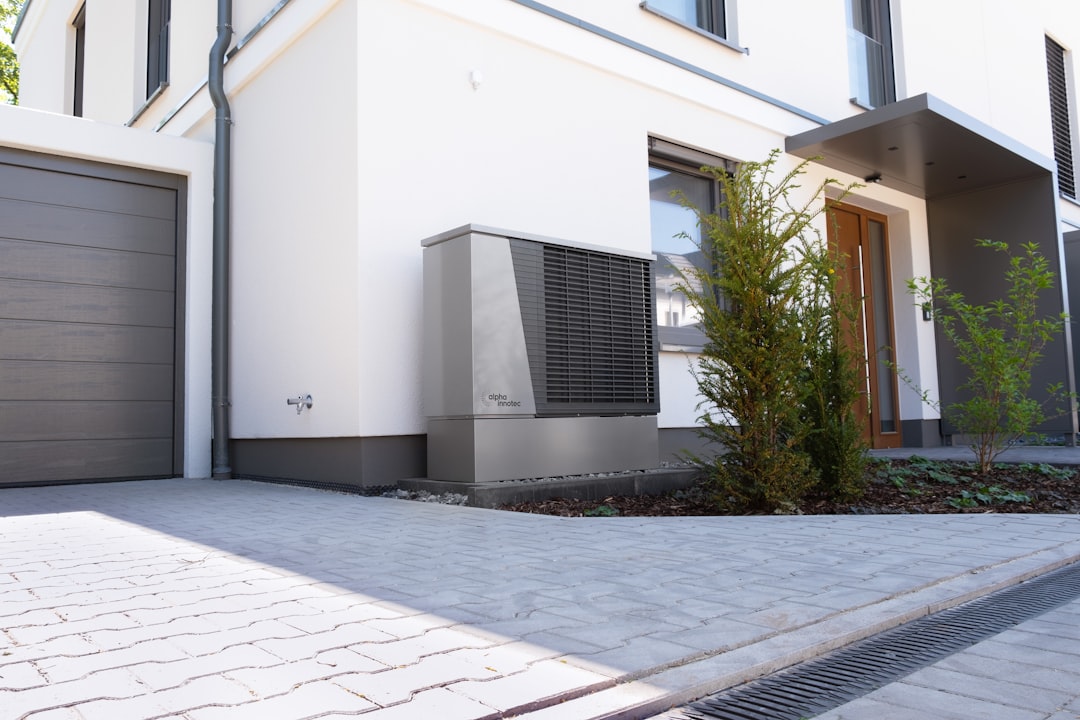
Why Heat Pump Benefits for Homeowners Are Hard to Ignore in 2026
Heat pump benefits for homeowners include lower energy bills, year-round heating and cooling from a single system, reduced carbon emissions, improved indoor air quality, and compatibility with smart home technology and solar panels. Here's a quick look at the top reasons families across the U.S. are making the switch:
- One system does it all - heats in winter, cools in summer
- Dramatically lower energy use - up to 75% less electricity than electric resistance heating
- Real savings - the average household saves around $370 per year; those switching from oil or propane can save closer to $1,000
- Cleaner and safer - no combustion, no carbon monoxide risk, no fuel deliveries
- Works in cold weather - modern models perform down to -20°F
- Pairs with solar - maximizing energy independence
- Minimal maintenance - simpler than running separate furnace and AC systems
- Backed by incentives - federal tax credits and state rebates help offset installation costs
Heating and cooling accounts for roughly half of a home's total energy use. That's a big number — and for most families, it's also one of the biggest opportunities to save money and simplify life at home.
As of April 2026, heat pumps have quietly become the fastest-growing category in residential HVAC. They already account for more than half of all residential heating equipment sales in the United States, with over 17 million units installed as of 2020 and the number climbing steadily since. Homeowners aren't just chasing energy savings — they're choosing comfort, cleaner air, and one less thing to worry about.
Whether you're running on oil, propane, an aging gas furnace, or outdated electric baseboard heaters, chances are a heat pump could make your home more comfortable and your monthly bills more predictable. Over 90% of American households assessed in peer-reviewed research could reduce their energy bills by switching to the right heat pump.
Below, we break down exactly what makes heat pumps such a smart upgrade for busy families — from how they work to what they cost to run, and everything in between.

Understanding the Core Heat Pump Benefits for Homeowners
To understand why everyone is talking about heat pumps in 2026, we first have to look at how they differ from the "old way" of doing things. Traditional furnaces or boilers work by generating heat—usually by burning a fuel like natural gas, propane, or oil, or by running electricity through high-resistance coils (like a giant toaster).
Heat pumps are different. They don't create heat; they move it.
Think of a heat pump like your kitchen refrigerator, but in reverse. A refrigerator takes the heat from inside the box and pushes it out into your kitchen to keep your milk cold. A heat pump uses that same refrigeration cycle to grab heat from the outdoor air (even when it feels cold outside!) and "pump" it into your home. In the summer, it just flips the script, grabbing heat from inside your house and dumping it outdoors.
This process of moving heat is incredibly efficient. Because the system isn't burning fuel to create a flame, it uses a fraction of the energy. This fundamental shift from generation to transfer is the foundation of almost all heat pump benefits for homeowners. Whether you are looking at Heat Pump Installation & Replacement or just trying to understand your utility bill, the efficiency of the refrigeration cycle is the "secret sauce."
How Heat Pumps Provide Both Heating and Cooling
One of the most convenient aspects of a heat pump is its dual-purpose nature. In the past, O'Fallon homeowners typically needed two separate, bulky systems: a furnace for the winter and a central air conditioner for the summer.
A heat pump replaces both. It handles the "heavy lifting" for both seasons using a clever component called a reversing valve. This valve allows the refrigerant to flow in either direction.
- In Cooling Mode: It works exactly like a traditional air conditioner, dehumidifying and cooling your indoor air.
- In Heating Mode: It reverses the flow, extracting thermal energy from the outdoor environment to warm your living space.
This dual-functionality is a massive space-saver. Instead of maintaining two separate machines, you have one streamlined outdoor unit. It simplifies your home’s mechanical footprint and means you only have one system to keep an eye on. If you're currently juggling a separate AC and furnace, our HVAC Services can help you consolidate into one high-performance unit.
Superior Energy Efficiency and Performance
When we talk about efficiency, we often use a term called "COP" or Coefficient of Performance. While a high-efficiency gas furnace might be 95% efficient (meaning 5% of the energy is wasted), a heat pump can reach efficiencies of 300% or even 400%.
How is that possible? It’s because for every one unit of electricity the heat pump uses to run the compressor and fans, it moves three to four units of heat into your home. This is why heat pumps can reduce electricity use for heating by up to 75% compared to electric resistance heating like baseboard heaters or electric furnaces.
For homeowners in the O'Fallon area, this translates to real-world savings. The average U.S. household can save roughly $370 per year by switching. However, if you are currently using "delivered fuels" like propane or heating oil—which can be subject to wild price swings—you could see savings closer to $1,000 annually. Over the lifetime of the equipment, that adds up to nearly $15,000 back in your pocket. To see how these systems fit into a broader home care strategy, explore our full range of Services.
Versatile Solutions for Every Home Layout
No two homes are exactly alike, and fortunately, heat pump technology has evolved to fit almost any architectural style. Whether you live in a historic home with no ductwork or a modern suburban build, there is a configuration that works.
Maximizing Heat Pump Benefits for Homeowners with Ductless Systems
Many older homes or room additions lack the internal ductwork required for traditional central air. In the past, this meant clunky, noisy window units that had to be installed every spring and hauled to the basement every fall.
Ductless mini-splits have changed the game. These systems consist of a small outdoor compressor connected to one or more indoor "heads" mounted on the wall or ceiling.
- Zoned Control: Each indoor unit can be controlled independently. If you like your bedroom at 68 degrees but want the living room at 72, you can do that without wasting energy on empty rooms.
- Easy Install: They only require a small three-inch hole in the wall for the conduit, making them much less invasive than installing new ducts.
- Quiet Operation: Modern indoor units are whisper-quiet, often producing less noise than a soft hum.
If you have a room that is always too hot or too cold, or if you're tired of the annual "window AC shuffle," a ductless system might be the perfect solution. And if you ever run into a hiccup with your setup, our Heat Pump Repair Service is always ready to help.
Geothermal and Hybrid Options
For those looking for the "gold standard" of efficiency, geothermal (or ground-source) heat pumps are an incredible option. Instead of using the outside air, they use the constant temperature of the earth (usually around 55 degrees) via underground pipe loops. High-efficiency geothermal units use about 61% less energy than standard models. While the initial setup is more involved, the ground loops themselves can last over 50 years.
Another popular choice in the Midwest is the Dual-Fuel or Hybrid system. This pairs an electric heat pump with a high-efficiency gas furnace. The heat pump handles the heating during the milder spring and fall days. When the temperature in O'Fallon takes a deep dive into sub-zero territory, the system automatically switches to the gas furnace. This gives you the best of both worlds: extreme efficiency most of the year and a powerful backup for those record-breaking cold snaps. You can protect these complex systems with our Heating Protection Plan to ensure they stay in peak condition.
Environmental and Health Advantages of Modern Systems
Beyond the financial savings, one of the most significant heat pump benefits for homeowners is the impact on your family’s health and the environment.
Eliminating Fossil Fuels and Combustion Risks
Traditional furnaces burn fuel inside your home. Even with modern venting, this creates a risk of carbon monoxide leaks—a silent, odorless danger. Furthermore, burning gas or oil indoors can release nitrogen dioxide and fine particulate matter, which are linked to respiratory issues like asthma.
By switching to an electric heat pump, you eliminate combustion from your home entirely. There are no gas lines to leak, no pilot lights to go out, and no risk of carbon monoxide from the heating system. It’s a cleaner, safer way to live. Many homeowners find that their indoor air quality improves significantly after making the switch, especially when paired with our HVAC Protection Plan which includes regular safety checks.
Realizing Long-Term Heat Pump Benefits for Homeowners and the Planet
If you’re looking to reduce your carbon footprint, the heat pump is your most powerful tool. Heating and cooling are the largest sources of emissions for most households. Switching from a delivered fuel system to a heat pump can slash your home’s carbon pollution by about 60% in the very first year.
Furthermore, heat pumps are "future-proof." As the electrical grid incorporates more wind and solar energy, your home automatically becomes greener. You can even take this a step further by pairing your heat pump with your own solar panels. Since heat pumps run on electricity, you can essentially "grow your own fuel" on your roof to heat and cool your home for free. To keep these eco-friendly systems running at peak efficiency, we recommend a regular Heat Pump Maintenance & Tune-Up.
Performance in Cold Climates and Smart Integration
A common myth we hear is that "heat pumps don't work in the cold." While that might have been true in the 1980s, the technology in 2026 is lightyears ahead.
Modern "cold-climate" heat pumps are specifically engineered to extract heat from the air even when it is -20°F outside. If they can keep homes warm in Norway, Finland, and Maine (where they are incredibly popular), they can certainly handle a Missouri winter.
- Heating System Type: Electric Resistance (Baseboard); Typical Efficiency: 100%; Performance in Cold: Consistent but expensive
- Heating System Type: Standard Heat Pump; Typical Efficiency: 200% - 300%; Performance in Cold: Drops off around 30°F
- Heating System Type: Cold-Climate Heat Pump; Typical Efficiency: 200% - 400%; Performance in Cold: High performance to -20°F
- Heating System Type: High-Efficiency Gas Furnace; Typical Efficiency: 90% - 98%; Performance in Cold: Consistent
Smart Home and Solar Synergy
Today’s heat pumps are smarter than ever. Most feature variable-speed motors, which means instead of just being "on" or "off" (which creates those annoying cold drafts), they ramp up and down slowly to maintain a perfectly consistent temperature.
They also integrate seamlessly with smart home technology. You can monitor your energy usage, adjust your temperature from your smartphone, and even set schedules that take advantage of lower electricity rates at night. This level of control is a core part of our Home Protection Plan, which helps you manage all your home's essential systems with zero stress.
Frequently Asked Questions About Heat Pumps
Do heat pumps really work in extreme cold?
Yes! Modern cold-climate heat pumps are designed with advanced compressors and refrigerants that allow them to function effectively in sub-zero temperatures. In fact, heat pumps are the primary heating source for many homes in the Arctic Circle. While their efficiency does decrease as it gets colder, they remain more efficient than electric resistance heating even in extreme conditions.
Can I use a heat pump if I don't have ducts?
Absolutely. As we mentioned, ductless mini-split systems are perfect for homes without existing ductwork. They consist of an outdoor unit connected to one or more indoor units via small refrigerant lines. This makes them a great option for older homes, finished basements, or room additions.
What is the expected lifespan of a new unit?
A well-maintained air-source heat pump typically lasts 15 to 25 years. Geothermal systems can last even longer, with the indoor components lasting about 24 years and the underground loops lasting 50 years or more. Regular maintenance is the key to longevity.
Conclusion
The shift toward heat pumps isn't just a trend; it's a fundamental upgrade in how we think about home comfort and efficiency. By choosing a system that transfers heat rather than burning fuel, you're opting for a safer, cleaner, and more cost-effective future.
At My Happy Home, we believe homeownership should be simple. That’s why we offer comprehensive protection for your HVAC, plumbing, and electrical systems all under one roof. Whether you're ready for a new Heat Pump Installation & Replacement or you want the peace of mind that comes with our Home Protection Plan, we’re here to make sure your home stays "happy" all year long.
With 24/7 support and a network of vetted professionals, we take the guesswork out of home maintenance. Say goodbye to surprise repair bills and hello to a more efficient, comfortable home. Explore our membership options today and see how easy it can be to protect your most important investment.