
Water Heater Repair & Service in San Jose, CA

Restore Hot Water Reliability Immediately
Inconsistent water temperatures, loud rumbling noises inside the tank, or active leaks at the base of your unit demand immediate attention before they escalate into significant water damage or total system failure. MyHappyHome provides rapid, expert diagnostics and repair for San Jose homeowners facing critical water heater disruptions. Contact us now to schedule an emergency dispatch or inquire about financing options for a system upgrade.
- Rapid response with same-day repair services to restore your comfort.
- Transparent pricing and no hidden fees with online estimates available.
- Long-lasting solutions with warranties on all repairs and installations.
Fully licensed, ensuring all work meets local codes with comprehensive warranties.
Comprehensive Diagnostics and Repair Services Available Today
When hot water access stops, your household routine grinds to a halt. The priority is identifying the root cause of the failure and implementing a fix that lasts. Services focus on the mechanical integrity of your unit, ensuring that both gas and electric systems function safely and efficiently. Technicians arrive equipped to handle common failures in San Jose, from sediment buildup caused by local hard water to component fatigue in aging units.
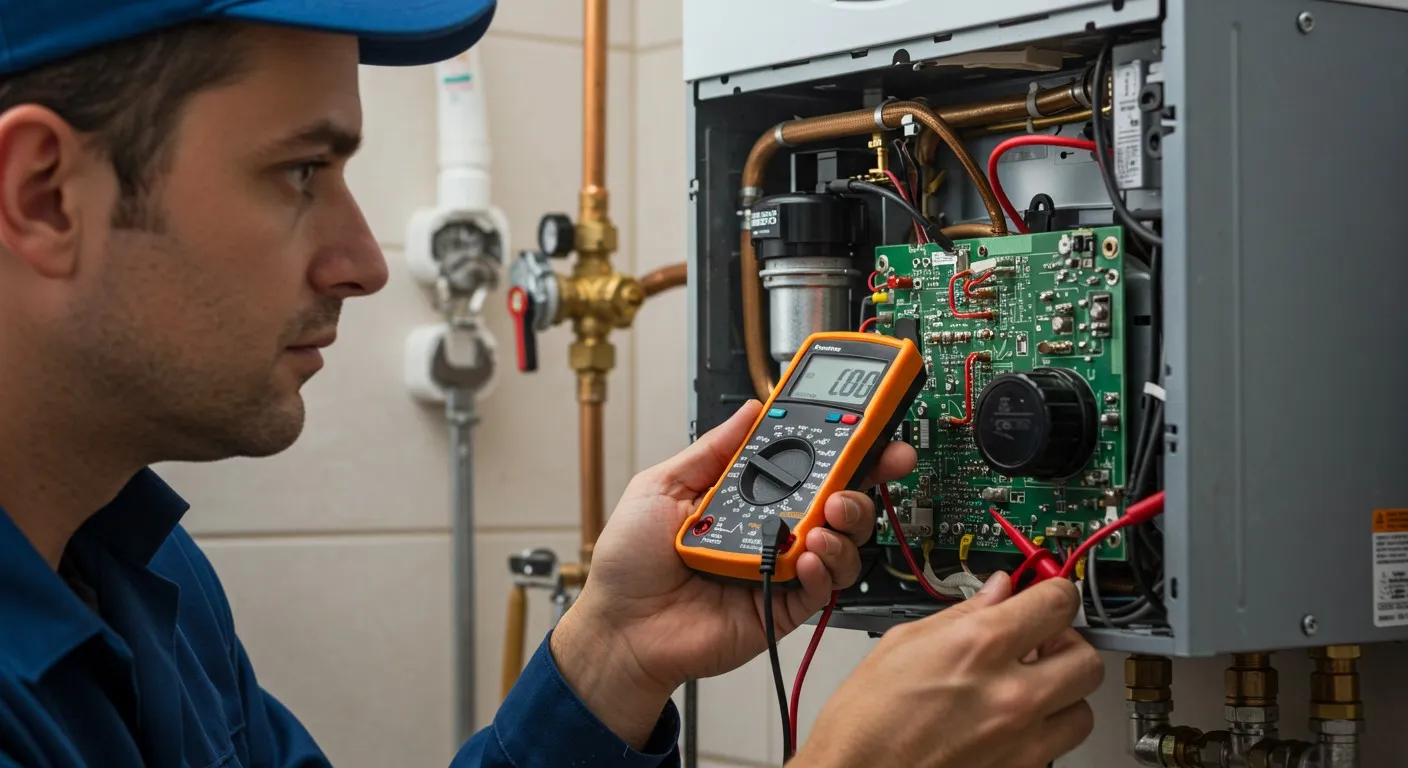
Upon arrival, the service includes a complete system evaluation. This is not a cursory glance; it involves testing the heating elements, inspecting the pilot light assembly, and checking the thermostat for calibration errors. For gas units, the burner assembly and gas valve are scrutinized for safe operation. For electric units, the continuity of the upper and lower heating elements is tested.
The scope of service covers:
- Thermostat and limit switch replacement: Faulty thermostats often lead to scalding water or no hot water at all.
- Heating element replacement: In electric units, burnt-out elements are the primary cause of lukewarm water.
- Pilot light and thermocouple repair: If the pilot light won't stay lit, the thermocouple is often the culprit and requires immediate replacement to restore gas flow safely.
- T&P valve replacement: The Temperature and Pressure relief valve is a critical safety feature. If it is leaking or seized, it must be replaced to prevent tank over-pressurization.
- Anode rod inspection and replacement: This "sacrificial" rod prevents the tank from rusting. Replacing it extends the unit's lifespan significantly.
- Flushing and draining: Removing sediment buildup that creates popping noises and reduces efficiency.
Technicians also assess the venting system. Improper venting can lead to carbon monoxide backdrafting, a serious safety hazard. The service ensures that all exhaust gases are properly directed outside the home. By addressing these specific mechanical issues, the goal is to return your system to peak performance immediately.
The Water Heater Installation and Replacement Process
When a repair is no longer feasible or cost-effective, a streamlined replacement process ensures you are not left without hot water for an extended period. The installation process adheres strictly to safety standards and manufacturer specifications. This ensures that the new unit operates at its rated efficiency and qualifies for all applicable warranties.
The installation workflow follows a structured sequence:
- Site assessment and sizing: First, the technician evaluates the space constraints and determines the correct First Hour Rating (FHR) required for your household size. This ensures you do not run out of hot water during peak usage times.
- Safe disconnect and removal: Next, the fuel source (gas or electricity) and water supply are shut off. The old unit is drained completely to prevent spillage. Disconnection involves carefully uncoupling gas lines, flue pipes, and water connections. The old unit is then hauled away for proper recycling.
- Code compliance updates: Then, the installation area is brought up to current code. This may include installing a thermal expansion tank if the home is on a closed-loop system, upgrading the gas drip leg, or replacing the shut-off valve.
- Seismic strapping: In California, properly securing the water heater against earthquake damage is mandatory. The technician installs approved bracing straps at the top and bottom thirds of the tank, anchoring them securely to the wall studs.
- Positioning and connection: The new unit is leveled and positioned. Water lines are reconnected, often using dielectric unions to prevent galvanic corrosion between dissimilar metals. Gas lines are connected and tested for leaks using a specialized detection solution.
- Venting and final testing: The flue pipe is reconnected with the proper slope to ensure draft. The tank is filled, ensuring all air is bled from the lines to prevent dry-firing. Finally, the unit is fired up, and the temperature is adjusted to a safe 120 degrees Fahrenheit.
This systematic approach minimizes disruption and ensures a compliant, safe installation. Whether switching to a high-efficiency tank model or converting to a tankless system, the physical installation is handled with precision.
Deciding Between Repair and Replacement
Homeowners frequently face the dilemma of whether to invest in a repair or commit to a new installation. Making the right financial decision requires analyzing the age of the unit, the cost of the repair, and the overall condition of the tank.
Consider the following factors when making your decision:
- Age of the unit: Conventional tank water heaters typically last between 8 and 12 years. If your unit is nearing the end of this range, investing in expensive repairs is often throwing good money after bad. A new unit resets the clock on reliability.
- The 50% Rule: If the cost of the repair is 50% or more of the cost of a new water heater, replacement is the smarter financial move. This is particularly true for older units where other components are likely to fail soon.
- Tank integrity: Leaks coming from the tank body itself, not the valves or connections, are non-repairable. A compromised steel tank cannot be patched safely. This indicates internal corrosion and necessitates immediate replacement to prevent flooding.
- Efficiency ratings: Older units are significantly less efficient than modern models. Replacing a unit with a low energy factor with a new, high-efficiency model can result in monthly utility savings that offset the installation cost over time.
- Frequency of breakdowns: If the unit has required multiple repairs in the last year, it has become unreliable. Frequent breakdowns indicate systemic failure.
MyHappyHome technicians provide an honest assessment based on these criteria. You receive a clear comparison of the costs, helping you make an informed choice that suits your budget and long-term housing plans.
Determining the Right System: Tank vs. Tankless
The choice between a traditional storage tank and a tankless (on-demand) water heater depends on usage patterns, budget, and infrastructure.
Conventional Storage Tanks:
These units store 40, 50, or more gallons of hot water, keeping it heated 24/7.
- Pros: Lower initial installation cost; simpler replacement if swapping out a similar unit; works well with high-volume simultaneous demand (like running a shower and dishwasher at the same time).
- Cons: Standby energy loss occurs as the water cools and reheats; limited supply (you can run out of hot water); larger physical footprint.
Tankless Water Heaters:
These units heat water only when a faucet is turned on, using high-powered burners or electric coils.
- Pros: Endless hot water supply; significant energy savings (no standby loss); wall-mounted design saves floor space; longer lifespan (20+ years).
- Cons: Higher upfront cost for unit and installation; may require upgrades to gas lines or electrical panels to support the high power draw; inconsistent temperatures if demand exceeds the flow rate capacity.
San Jose homeowners often switch to tankless to maximize garage space and reduce energy bills. However, the existing gas line size must be evaluated to ensure it can deliver the BTUs required for instant heating.
Local Considerations for San Jose Residents
Operating a water heater in San Jose involves specific environmental and regulatory considerations that impact performance and installation requirements. Understanding these local factors ensures your system remains compliant and efficient.
- Permitting Requirements: The City of San Jose requires a building permit for the replacement of water heaters. This ensures that the installation meets safety standards regarding gas lines, venting, and seismic bracing. Professional services handle the permit application and scheduling of the final city inspection.
- Seismic Bracing: Due to the region's proximity to major fault lines, strict enforcement of double-strapping protocols is in place. Water heaters must be anchored to prevent tipping during a seismic event, protecting gas lines from rupturing and preventing water damage.
- Hard Water Impact: The Santa Clara Valley creates water with high mineral content. Calcium and magnesium precipitate out of the water when heated, forming sediment at the bottom of the tank. This sediment acts as an insulator, causing the burner to work harder and creating hot spots that can crack the tank. Regular flushing is essential in this region to maintain warranty coverage and efficiency.
- Thermal Expansion: Many homes in the area have closed plumbing systems due to backflow preventers or pressure-reducing valves installed at the meter. When water heats up, it expands. Without a thermal expansion tank, this increased pressure stresses the water heater and household fixtures. Code often requires the addition of an expansion tank during replacement.
- Seasonality: While the Mediterranean climate is mild, winter temperatures drop enough to increase the workload on your water heater. The incoming groundwater temperature is lower in winter, requiring more energy to reach the desired output temperature. This is the season when older units are most likely to fail under the increased thermal load.
Technical Symptoms That Signal Imminent Failure
Waiting for a total loss of hot water often leads to emergency service calls at inconvenient times. Recognizing the early technical warning signs allows for proactive maintenance or planned replacement.
- Popping or rumbling sounds: This indicates hardened sediment at the bottom of the tank. As the water trapped under the sediment boils, it percolates through the layer, creating loud noises. This buildup overheats the tank bottom and accelerates corrosion.
- Rusty or discolored water: If hot water comes out brown or metallic, it suggests the anode rod is fully depleted and the inner tank lining is rusting. If the rust appears in both hot and cold water, the issue is likely the pipes, but hot-only discoloration points directly to the heater.
- Moisture around the base: Micro-fractures in the tank metal expand when heated. You may notice small puddles that appear and disappear. This is a critical warning sign of a tank rupture.
- Pilot light outages: A pilot light that frequently goes out usually indicates a faulty thermocouple or a draft issue in the combustion chamber. It can also signal a safety shutoff triggered by overheating.
Addressing these symptoms early prevents catastrophic leaks and ensures consistent sanitation and comfort for the household.
Why Professional Service Matters
Water heaters involve dangerous elements: natural gas, carbon monoxide, high-voltage electricity, and scalding water under pressure. Attempting DIY repairs or hiring unlicensed handymen poses significant risks to property and personal safety.
Professional service guarantees:
- Proper Venting: Ensuring carbon monoxide is exhausted outside, not into living spaces.
- Gas Safety: rigorous leak testing on all connections.
- Electrical Code Compliance: Correct wire gauging and grounding for electric units.
- Warranty Protection: Manufacturer warranties are often voided if the unit is not installed by a licensed professional.
Qualified technicians bring the diagnostic tools necessary to distinguish between a simple component failure and a dangerous system compromise. They carry a stocked inventory of universal and brand-specific parts to facilitate immediate repairs, minimizing downtime.
Upgrade or Repair Your Water Heater with Confidence
Secure your home’s comfort and safety today. Whether you require a swift repair for a failing component or a full upgrade to a modern, energy-efficient system, expert assistance is available.
Contact us immediately to schedule your water heater service and restore your hot water supply.

Get happy home tips delivered to your inbox.
Join the growing family of homeowners who have said goodbye to stress and hello to simple, worry-free living. With MyHappyHome, you're not just getting a service plan, you're getting a partner dedicated to your happiness.