
Water Heater Installation & Replacement in San Jose, CA

Is Cold Water Or A Leaking Tank Disrupting Your Day?
Discovering a puddle around your utility closet or stepping into a freezing shower is a frustrating start to the morning, but expert help is available to restore your hot water supply immediately. For residents in San Jose dealing with sudden failures or inefficient units, contact us today to schedule an assessment or discuss our flexible financing options.
Our team specializes in removing the stress from water heater failures by providing:
- Expedited same-day installation services to restore your home’s comfort without delay.
- High-performance, energy-efficient units that lower monthly utility bills and reduce environmental impact.
- Comprehensive manufacturer warranties and transparent financing plans to fit your budget.
- Full compliance with all local building codes, including seismic strapping and safety inspections.
Rest assured that every installation we perform meets strict safety standards, backed by industry-leading warranties and financing options designed to make your replacement stress-free. At MyHappyHome, we understand that hot water is a necessity, not a luxury, and our technicians are equipped to handle your replacement with precision and speed.
What You Get With Professional Water Heater Service
When you invest in a professional water heater replacement, you are purchasing more than just a metal tank; you are securing the safety, efficiency, and reliability of your home’s plumbing infrastructure. The scope of a proper installation goes far beyond swapping one unit for another. It involves a holistic assessment of your current plumbing setup, gas lines, venting systems, and electrical connections to ensure everything operates safely.
Modern water heating systems have evolved significantly over the last decade. Homeowners now have access to advanced technology that delivers hot water more consistently while consuming less energy. Whether you are looking for a standard tank replacement or upgrading to a tankless system, professional service ensures that the unit is sized correctly for your household’s specific demand. An undersized unit will run out of water constantly, while an oversized unit wastes energy heating water you will never use.
Our installation service includes:
- Complete Site Assessment: We evaluate the location of the unit, checking for proper ventilation, drainage, and clearances required by current safety regulations.
- Safe Removal and Disposal: Water heaters are heavy and cumbersome. We handle the disconnection, draining, and hauling away of your old unit, ensuring it is disposed of responsibly.
- System Upgrades: We install necessary components such as expansion tanks, which absorb excess pressure in the system, and upgraded shut-off valves for easier maintenance in the future.
- Gas and Electrical Safety: For gas units, we inspect and test gas lines for leaks and ensure the flue vent is drafting carbon monoxide correctly. For electric units, we verify voltage and amperage to prevent electrical hazards.
- Seismic Strapping: In California, securing the water heater against earthquake movement is a critical safety requirement. We install double strapping kits that anchor the unit firmly to the structure.
How The Installation And Replacement Process Works
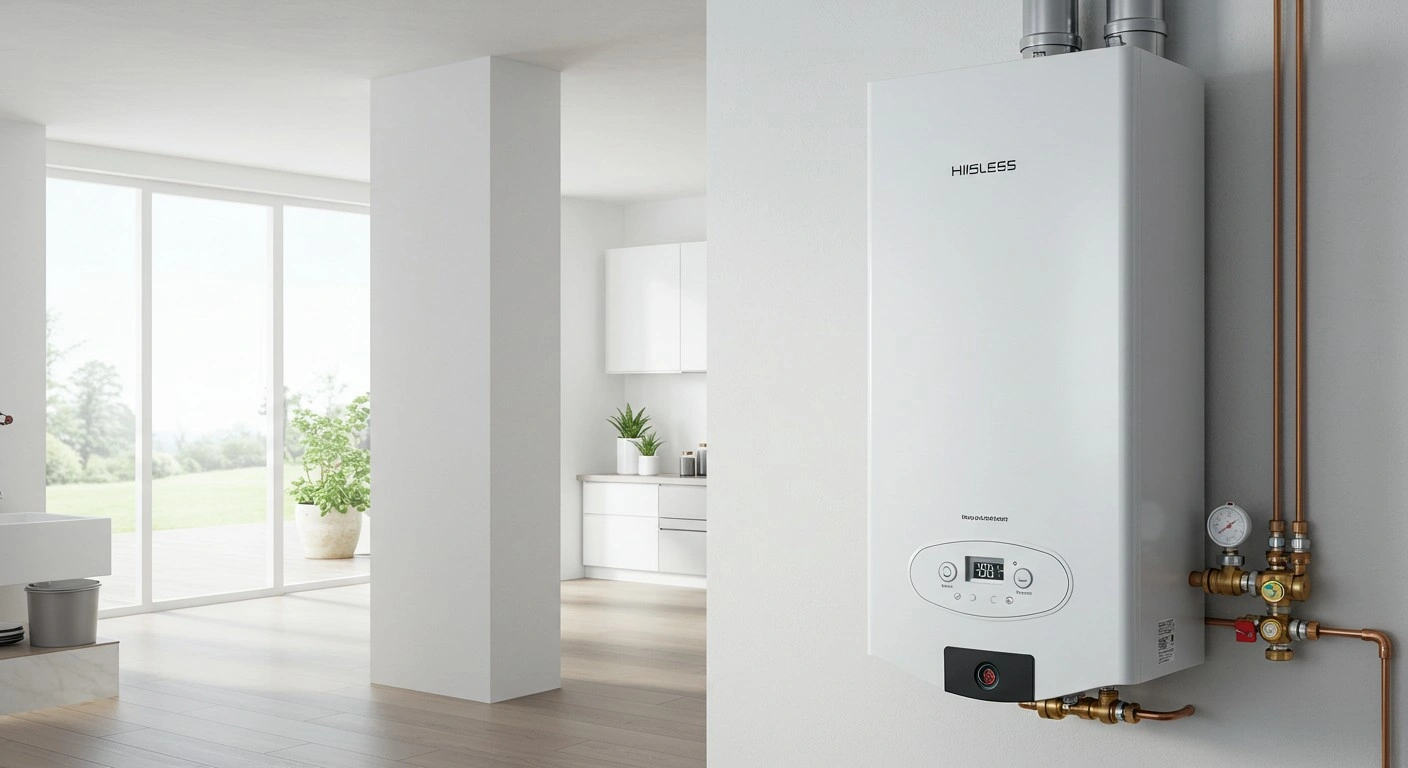
Understanding the steps involved in a water heater replacement helps you prepare for the service and ensures you know exactly what is happening in your home. We have streamlined our process to minimize disruption to your daily routine while maintaining the highest standards of workmanship. The goal is to transition you from a broken unit to a fully functional system in a single visit whenever possible; book your appointment today.
The process begins with a technical evaluation. Once a technician arrives at your property, they will inspect the existing setup. This includes checking the condition of the water pipes, the gas line or electrical breaker, and the venting system. If the existing infrastructure is up to code, the replacement is straightforward. If upgrades are needed to meet current safety standards, these will be identified immediately.
The replacement sequence typically follows these steps:
- Shutting Down Utilities: The technician turns off the water supply to the heater, as well as the gas or electricity. This ensures the work area is safe.
- Draining the Tank: A hose is connected to the drain valve to empty the tank. This can take some time depending on the amount of sediment buildup in the bottom of the heater.
- Disconnecting Connections: The cold and hot water lines, gas or electric lines, and the earthquake straps are carefully disconnected.
- Removing the Old Unit: The technician removes the old water heater from the stand or platform and moves it out of the work area.
- Positioning the New Unit: The new water heater is placed into the drain pan. It is leveled to ensure proper operation and stability.
- Installing Safety Features: New seismic straps are installed and bolted into the wall studs. The temperature and pressure (T&P) relief valve is installed with a discharge line directed toward a safe drainage point.
- Connecting Lines: New flex lines are often used to connect the water supply. The gas line is reconnected with a new sediment trap (drip leg) if necessary, or electrical connections are hardwired.
- Filling and Testing: The tank is filled with water while a hot water faucet in the house is opened to release trapped air. Once full, the power or gas is turned on.
- Final Inspection: The technician checks for gas leaks using a detector, verifies the draft of the vent, and ensures the burner or elements are heating correctly.
When Replacement Beats Repair
Deciding between repairing a malfunctioning water heater and replacing it entirely is a common dilemma. While a repair might seem cheaper upfront, it is often a temporary fix for a unit that is nearing the end of its lifespan. Pouring money into an old, inefficient appliance can end up costing more in the long run due to repeated breakdowns and higher energy bills.
There are specific indicators that signal a replacement is the smarter financial and practical choice. If your water heater is over ten years old, it has likely surpassed its expected service life. Most tank-style heaters are designed to last between 8 and 12 years. Beyond this point, the risk of a catastrophic tank failure—where the bottom rusts out and floods your home, increases dramatically.
Consider replacement if you observe the following:
- Leaking Tank: If water is pooling around the base of the heater, the internal glass lining has likely cracked. This is non-repairable and requires immediate replacement to prevent water damage.
- Rusty Water: Hot water that comes out brown or reddish indicates rust inside the tank. This suggests the anode rod has failed and corrosion is eating away at the steel tank.
- Loud Rumbling Noises: As sediment builds up and hardens at the bottom of the tank, it traps heat and causes loud banging or popping sounds. This sediment creates hot spots that can crack the tank and reduce efficiency.
- Insufficient Hot Water: If your showers are getting shorter or the water never gets truly hot, the dip tube may be broken, or the heating elements are failing. On an old unit, this signals a decline in performance that justifies an upgrade.
- Rising Energy Bills: Older units accumulate sediment and lose insulation value, forcing them to work harder to maintain temperature. A new, energy-efficient model can significantly reduce utility costs.
Navigating Local Installation Codes And Climate Factors
Operating a home in San Jose presents specific challenges and requirements regarding plumbing and water heating. The local Mediterranean climate, characterized by warm, dry summers and mild, wet winters, influences how water heaters perform and how they must be installed. While freezing pipes are less of a concern here than in colder regions, the distinct wet season from November to March means that venting systems must be robust and leak-proof to prevent moisture issues and back-drafting during storms.
California has some of the strictest building codes in the nation, particularly concerning energy efficiency and seismic safety. Homeowners must be aware that a simple "swap-out" is rarely possible without addressing current code requirements. These regulations are designed to protect your home from earthquake damage and to reduce environmental impact through lower emissions.
Key local considerations include:
- Seismic Bracing: Due to the proximity to active fault lines, all water heaters in the area must be braced, anchored, or strapped to the wall studs to resist horizontal displacement during an earthquake. This is a mandatory safety measure enforced during inspections.
- Ultra-Low NOx Requirements: Local air quality districts limit the nitrogen oxide emissions from natural gas-fired water heaters. New installations must meet Ultra-Low NOx standards to help improve air quality.
- Expansion Tanks: Closed plumbing systems, which are common in modern homes to prevent backflow into the municipal supply, require an expansion tank. This device handles the thermal expansion of water as it heats up, preventing dangerous pressure spikes.
- Title 24 Compliance: California’s energy code (Title 24) dictates specific efficiency ratings for new water heaters. This often encourages or requires the installation of high-efficiency gas units or electric heat pump water heaters.
- Hard Water Management: The local water supply can be rich in minerals. Over time, calcium and magnesium precipitate out of the water at high temperatures, forming scale on heating elements and at the bottom of the tank. This scale reduces efficiency and lifespan. We often recommend flushing the tank annually or installing a water softener to mitigate this issue.
Why Professional Installation Is The Safe Choice
Water heaters involve three powerful elements: water, electricity, and combustible gas (or high voltage). The combination of these factors makes amateur installation highly dangerous. A gas leak from an improper connection can lead to fires or explosions, while a blocked vent can cause deadly carbon monoxide to accumulate silently in your living space.
Professional installation mitigates these risks entirely. Licensed technicians understand the intricate requirements of gas pressure, proper venting pitch, and electrical grounding. Furthermore, professional installers ensure that the temperature and pressure relief valve, a critical safety device that prevents the tank from becoming a pressurized bomb, is installed and piped correctly.
MyHappyHome prioritizes your long-term safety and comfort. By choosing professional service, you also protect the validity of the manufacturer’s warranty. Most manufacturers will void the warranty if the unit is not installed by a licensed professional. This means that if a component fails in two years, you would be liable for the cost if you attempted a DIY install.
Beyond safety, professional installation offers the benefit of optimization. We don't just hook up pipes; we adjust the temperature settings to prevent scalding while maximizing capacity, check the water pressure entering your home to protect the tank, and ensure the unit is insulated properly. We also assist with the paperwork required for permits, ensuring that when it comes time to sell your home, your water heater upgrades are fully documented and compliant.
Secure your home’s hot water supply with a team that values precision and safety. Do not let a cold shower or a leaking tank ruin your week. Contact us now to schedule your water heater replacement and enjoy reliable hot water for years to come.

Get happy home tips delivered to your inbox.
Join the growing family of homeowners who have said goodbye to stress and hello to simple, worry-free living. With MyHappyHome, you're not just getting a service plan, you're getting a partner dedicated to your happiness.