

Plumbing Maintenance & Inspection in Seattle, WA

Facing Plumbing Issues? Immediate Inspection Needed?
When plumbing troubles surface, quick and reliable intervention is essential to prevent extensive water damage and restore functionality to your Seattle property. Contact MyHappyHome immediately to schedule a comprehensive system audit or inquire about our flexible financing options to get the work started today.
Our certified inspectors provide speedy service to address your concerns, ensuring minimal disruption and maximum efficiency. We focus on identifying the root cause of pressure drops, slow drains, and hidden leaks before they evolve into catastrophic failures.
- Rapid response times and detailed inspection reports that outline the exact health of your system.
- Maintenance solutions fully compliant with Seattle’s latest plumbing codes and environmental standards.
- Flexible scheduling with immediate service options available for urgent system checks.
All services are fully licensed, with extensive warranties and flexible financing options to ensure your home remains safe and functional. MyHappyHome provides the technical expertise required to navigate complex residential plumbing systems.
Scope of Professional Plumbing Maintenance
A professional plumbing inspection is a rigorous, point-by-point audit of the water, sewer, and gas systems within a residence. This service goes far beyond a cursory glance at faucets and toilets. It involves a systematic evaluation of the entire supply and waste disposal infrastructure to ensure safety, efficiency, and longevity. Homeowners often underestimate the complexity of modern plumbing until a failure occurs; routine maintenance bridges the gap between functioning systems and emergency repairs.
The scope of a standard maintenance visit includes a detailed assessment of supply lines. Inspectors examine exposed piping in basements, crawl spaces, and utility rooms for signs of corrosion, oxidation, or unauthorized workmanship from previous owners. In older properties, identifying materials like galvanized steel or polybutylene is critical, as these materials have specific failure rates and insurance implications. The inspection also verifies the operation of the main water shut-off valve. If this valve is seized or inaccessible, it poses a significant risk during an emergency leak.
Drainage and venting systems receive equal attention. Technicians evaluate the flow rate of drains in kitchens, bathrooms, and laundry areas. Slow drainage often indicates a developing blockage or improper venting, which can allow sewer gases to enter the living space. The vent stacks on the roof are checked for obstructions such as bird nests or debris, which can disrupt the air balance required for proper drainage.
Water heating equipment is another primary focus area. For tank-based systems, maintenance includes checking the temperature and pressure relief (T&P) valve, inspecting the anode rod for depletion, and flushing the tank to remove sediment buildup. Sediment accumulation at the bottom of a tank creates a barrier between the burner and the water, causing the unit to work harder and increasing energy consumption. For tankless units, the focus shifts to descaling the heat exchanger and verifying error logs to ensure the unit is firing correctly.
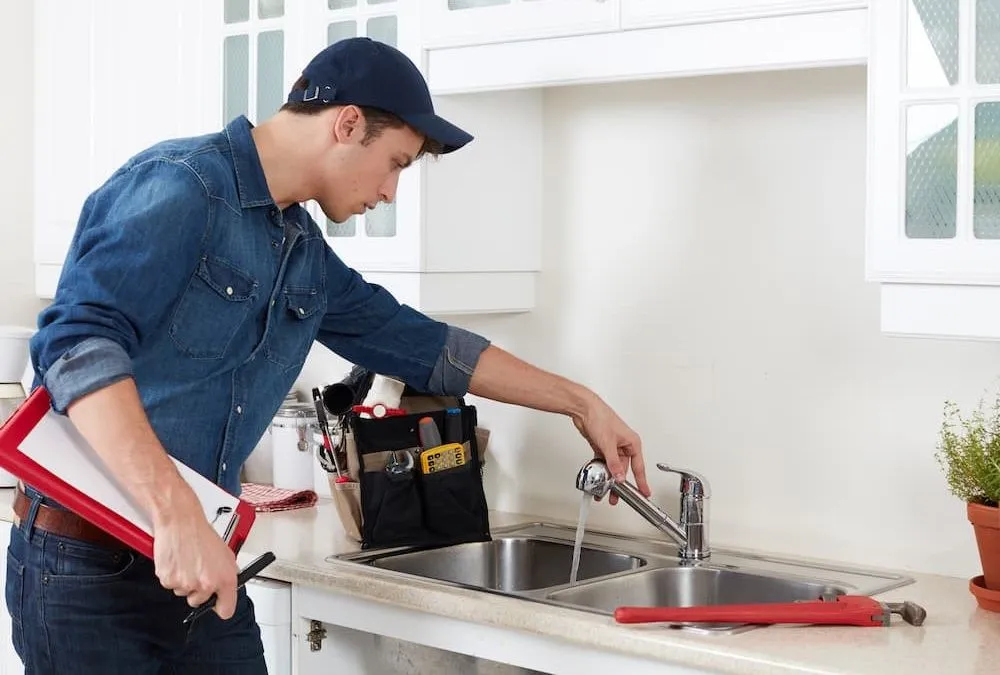
The Inspection and Execution Workflow
The process of plumbing maintenance follows a structured workflow designed to isolate variables and test the system under load. This methodical approach ensures that no component is overlooked, from the municipal connection point to the furthest fixture in the home.
Initial Visual Assessment
The process begins with a walkthrough of the property. Technicians look for visible signs of moisture intrusion, such as water stains on ceilings, warped cabinetry under sinks, or efflorescence on foundation walls. This step also involves checking the water meter. If the meter dial is moving while all fixtures are off, it serves as immediate confirmation of a leak on the supply side.
Static and Dynamic Pressure Testing
Technicians measure the static water pressure entering the home. High water pressure might seem desirable, but pressure exceeding 80 PSI can damage appliances, blow out washing machine hoses, and cause premature failure of fixture seals. If high pressure is detected, the Pressure Reducing Valve (PRV) is adjusted or flagged for replacement. Dynamic testing involves running multiple fixtures simultaneously to observe flow drops, helping to identify restrictions in the main supply line.
Fixture and Appliance Isolation
Each toilet, faucet, and showerhead is operated to check for mechanical faults. Toilets are tested for running flappers, which are a leading cause of high water bills, and for stability at the base to ensure the wax ring is intact. Faucets are checked for drips and aerator clogs. Garbage disposals are inspected for mounting stability and blade sharpness, while dishwasher and washing machine hoses are examined for bulges or wear.
Sewer and Waste Line Evaluation
In many cases, video inspection technology is utilized to view the interior of the sewer line. A camera is fed through the cleanout to inspect the condition of the lateral line connecting the house to the city main. This is particularly vital in mature neighborhoods where tree root intrusion is common. The camera feed reveals cracks, offsets, root masses, and sludge buildup that traditional snaking cannot detect.
System Flushing and Calibration
Once inspections are complete, active maintenance tasks are performed. This includes flushing water heaters, cleaning faucet aerators, and treating drains with enzymatic cleaners if organic buildup is detected. Sump pumps are tested by manually triggering the float switch to ensure the pump activates and evacuates water effectively.
Reporting and Documentation
The final step involves compiling a comprehensive report. This document details the condition of every inspected item, categorizing them by urgency. Immediate safety hazards are prioritized, followed by recommended repairs to improve efficiency, and finally, long-term observations for future planning.
Deciding Between Repair and System Replacement
One of the primary goals of a maintenance visit is to provide the data necessary to make informed decisions regarding repair versus replacement. Plumbing components have finite lifespans, and throwing money at a failing system is often less economical than a strategic upgrade.
Fixture Replacement Indicators
Faucets and shower valves that require frequent washer or cartridge replacements generally indicate that the valve body itself is pitted or worn. When corrosion prevents a tight seal even with new internal parts, replacement is the only viable option. Similarly, toilets manufactured prior to 1994 use significantly more water per flush. Replacing these with modern, low-flow units often results in utility savings that offset the installation cost over time.
Piping Material and Integrity
If an inspection reveals widespread corrosion or the presence of outdated materials like galvanized iron, spot repairs are rarely sufficient. Galvanized pipes rust from the inside out, restricting water flow and degrading water quality. In such scenarios, a repiping strategy is recommended over fixing individual pinhole leaks, as the pressure changes from a repair will likely cause the weak pipe to fail elsewhere.
Water Heater Lifecycle
A water heater nearing the end of its 8-12 year lifespan that begins to leak or requires major component replacement (like a gas control valve) is a candidate for replacement. The efficiency gains of modern units, combined with the risk of a tank rupture in older units, make replacement a prudent financial decision. If the tank itself is corroded, repair is impossible.
Sewer Line Rehabilitation
When root intrusion in a sewer line is minor, routine hydro-jetting can manage the issue. However, if the pipe has collapsed, suffered severe offsets, or is comprised of deteriorating Orangeburg fiber conduit, trenchless pipe bursting or lining is required. Maintenance visits provide the visual evidence needed to determine if cleaning is a temporary band-aid or if structural rehabilitation is necessary.
Navigating Seattle Plumbing Codes and Climate Factors
Operating a plumbing system in the Pacific Northwest requires specific attention to environmental factors and local regulations. Seattle’s unique climate and strict municipal codes influence how plumbing maintenance is approached and executed.
Managing Wet Winters and Stormwater
The region is characterized by significant rainfall, particularly in the winter months. This places immense strain on storm drains, sump pumps, and perimeter drainage systems. Maintenance during late autumn is critical to ensure that sump pumps are operational and that discharge lines are clear of debris. Failure to maintain these systems can lead to basement flooding and foundation instability. Seattle Public Utilities enforces strict codes regarding the separation of storm and sanitary sewers; cross-connections can lead to heavy fines and environmental damage.
Freeze-Thaw Considerations
While the area has generally mild winters, occasional freeze-thaw cycles occur. Because deep freezes are rare, many homes lack the heavy insulation found in colder climates. Pipes located in unheated crawl spaces, attics, or exterior walls are vulnerable during these cold snaps. Part of the maintenance protocol involves verifying that exposed piping is adequately insulated and that hose bibs are disconnected and drained before temperatures drop.
Summer Maintenance Windows
The cool and dry summers offer the ideal window for significant plumbing projects, such as sewer line replacements or whole-house repiping. During this season, the water table is lower, making excavation easier and less disruptive to the landscape. It is also the best time to inspect irrigation backflow preventers to ensure they are functioning correctly before heavy summer usage.
Permitting and Compliance
MyHappyHome adheres strictly to local permitting requirements. In this jurisdiction, replacing a water heater, altering water supply piping, or repairing a sewer line typically requires a permit. Professional inspectors are well-versed in these codes, ensuring that any recommended work will pass municipal inspection. This is crucial for maintaining the resale value of the home, as unpermitted work can complicate real estate transactions.
Technical Precision and Preventative Strategy
The difference between a handyman and a specialized plumbing service lies in the technical precision and diagnostic tools employed. Modern plumbing maintenance relies on quantitative data rather than guesswork.
Advanced leak detection equipment allows technicians to locate slab leaks or concealed pipe failures without destructive exploration. Acoustic listening devices can pinpoint the sound of escaping water behind walls or under concrete, minimizing the need to cut into drywall or flooring. This technology is essential for homes with high water bills but no visible signs of leakage.
Hydro-jetting technology is another differentiator in professional maintenance. Unlike mechanical snakes that simply punch a hole through a blockage, high-pressure water jetting scours the interior walls of the pipe, removing grease, sludge, and scale. This restores the pipe to near-original capacity and provides a longer-lasting solution to drainage issues.
Thermal imaging is increasingly used to identify hot water line leaks or to verify the operation of radiant heating systems. By visualizing temperature differentials, inspectors can locate uninsulated hot water pipes that are wasting energy or identify zones in a radiant floor system that are not circulating correctly.
Investing in professional maintenance is an investment in the asset value of the property. It shifts the dynamic from reactive crisis management to proactive asset preservation. By documenting the condition of the plumbing system over time, homeowners can predict capital expenditures and avoid the stress of emergency repairs.
Secure Your Plumbing System Today
A functional plumbing system is non-negotiable for the comfort and safety of your home. Delaying inspections or ignoring minor symptoms often leads to complex, expensive repairs that could have been avoided. Take control of your home’s infrastructure by scheduling a professional assessment that prioritizes transparency and technical excellence.
Ensure your plumbing meets the highest standards of performance and safety.
Contact Us Now to Schedule Your Comprehensive Inspection.

Get happy home tips delivered to your inbox.
Join the growing family of homeowners who have said goodbye to stress and hello to simple, worry-free living. With MyHappyHome, you're not just getting a service plan, you're getting a partner dedicated to your happiness.