

Furnace Maintenance & Tune-Up in Seattle, WA

Furnace Not Keeping Up? Seattle's Trusted Tune-Up Solution
As Seattle nights grow colder, a failing furnace isn’t just inconvenient—it’s a challenge to your comfort and health. MyHappyHome keeps you warm with expert furnace maintenance, ready to restore efficiency and reliability, so contact us today to schedule your comprehensive inspection.
Ignoring the subtle signs of wear in a heating system often leads to a breakdown exactly when the temperature drops in the Puget Sound region. A professional tune-up does more than just clean the unit; it recalibrates the system to handle the specific damp, chilly climate of the Pacific Northwest. We ensure your system operates at peak performance, preventing the stress of unexpected mid-winter failures.
- Ensured heating efficiency and lowered energy bills.
- Extend the life of your heating system with a professional tune-up.
- Immediate availability for emergency and same-day service.
All services come with a satisfaction guarantee and flexible financing options.
What’s Included in Your Furnace Tune-Up?
A comprehensive furnace tune-up involves a rigorous multi-point inspection and cleaning process designed to return your unit to factory specifications. This is not merely a visual check; it is a hands-on restoration of your heating system's vital components. The goal is to identify safety hazards, reduce friction in moving parts, and ensure proper airflow.
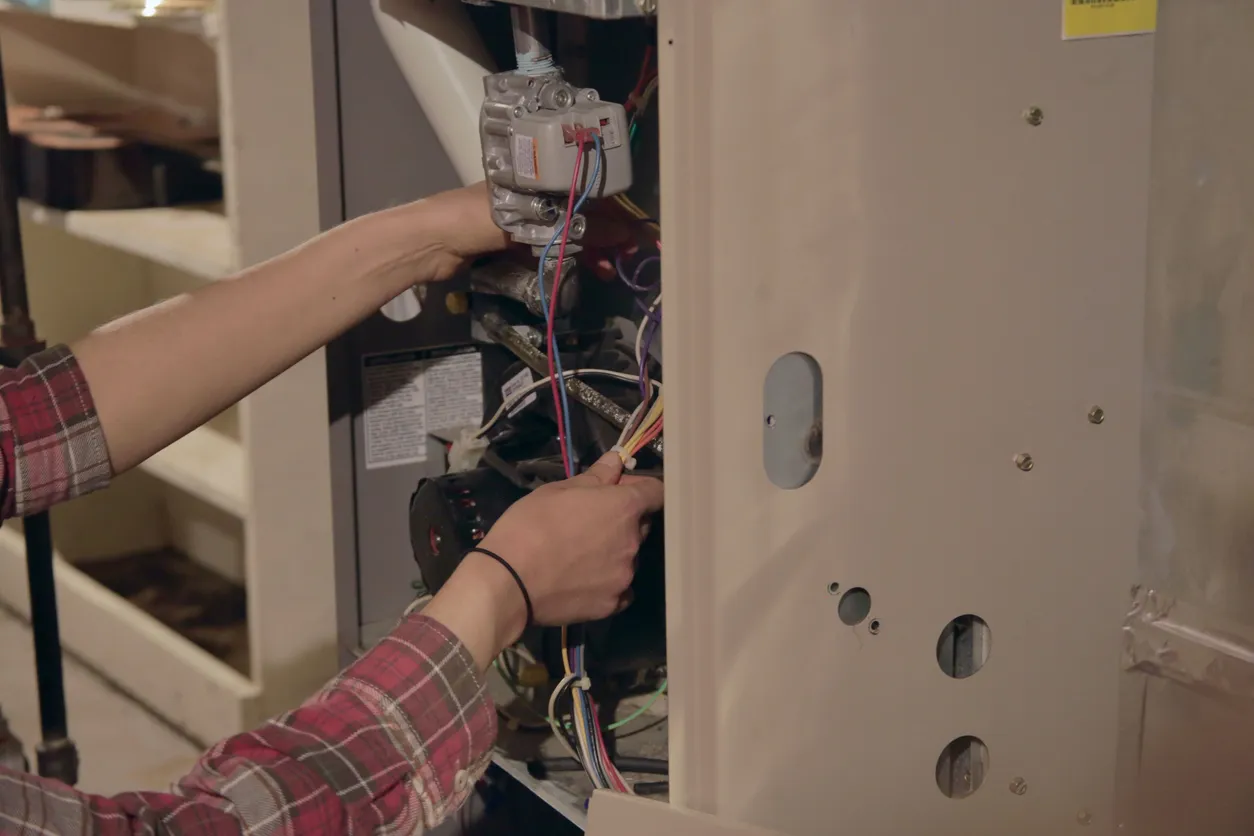
Safety and Combustion Analysis
The safety of your household is the primary focus of any maintenance visit. Over time, the combustion process can drift from its ideal parameters, leading to inefficient burning or safety risks.
- Technicians inspect the heat exchanger for cracks or fissures. This component separates the breathing air from the combustion gases. Even a hairline crack can allow carbon monoxide to leak into your living space, making this the most critical check in the entire process.
- The burner assembly is removed and cleaned. Dust and soot buildup on the burners can cause uneven heating or delayed ignition, resulting in a "boom" noise when the furnace starts.
- We test the ignition system and flame sensor. If the flame sensor is dirty, the furnace may shut off repeatedly as a safety precaution. Cleaning this sensor ensures the gas valve remains open only when a flame is successfully verified.
- Carbon monoxide detectors near the unit are tested to ensure they are functioning correctly and positioned properly.
Electrical and Mechanical Components
Modern furnaces rely heavily on electronic controls and motors that require precise calibration.
- We measure the amperage and voltage of the blower motor. If the motor is drawing too much power, it indicates strain that will eventually lead to failure.
- Electrical connections are tightened. Loose wires are a common cause of intermittent failures and can lead to electrical shorts or burned-out control boards.
- For systems with belts, the tension is checked and adjusted. A loose belt reduces efficiency, while an overly tight belt wears out bearings prematurely.
- The thermostat is calibrated. We verify that the temperature reading on your wall matches the actual temperature of the room and that the furnace responds correctly to calls for heat.
Airflow and Filtration
Proper airflow is essential for the longevity of your furnace. Restricted airflow causes the system to overheat, triggering limit switches that shut the unit down.
- The air filter is inspected and replaced if a replacement is available. We also advise on the best MERV rating for your specific ductwork, as using a filter that is too restrictive can damage the blower motor.
- The blower wheel is inspected for debris. A layer of dust on the blower blades can significantly reduce the volume of air moving through the home, making the furnace work harder to reach the set temperature.
- Ductwork near the furnace is checked for visible leaks or disconnections that might be venting heated air into the basement or crawlspace instead of your living areas.
How We Tune-Up Your Furnace: Our Process
Understanding the workflow of a maintenance visit helps homeowners prepare and know what to expect. We adhere to a systematic approach that ensures no component is overlooked.
- First, the technician arrives within the scheduled window, fully equipped with diagnostic tools and replacement parts. We respect your property by wearing shoe covers and using drop cloths around the work area to prevent messes.
- Next, we perform a pre-service operation check. We turn the system on to hear how it starts, runs, and shuts down. This initial auditory and visual inspection often reveals immediate issues like rattling noises or delayed ignition.
- Then, power to the furnace is turned off for the deep cleaning and electrical inspection phase. The technician opens the cabinet to access the internal components, vacuuming out the interior to remove dust that has settled during the off-season.
- After the internal components are cleaned and inspected, the system is reassembled and powered back on. The technician performs a combustion analysis using specialized gauges to measure gas pressure and exhaust composition, ensuring the fuel is burning cleanly and efficiently.
- Finally, we review the findings with you. The technician provides a written report of the system’s health, explains any immediate repairs that were performed, and suggests proactive measures if certain parts are nearing the end of their lifespan.
Why Seasonal Maintenance Matters in the Pacific Northwest
The climate in Seattle presents unique challenges for HVAC systems that differ from other regions. While we do not experience the sub-zero temperatures of the Midwest, our heating season is long, and the environment is exceptionally wet. This combination creates specific wear and tear patterns on furnaces.
Combating Moisture and Corrosion
High humidity levels, common in the region, can accelerate corrosion on metal components.
- Electronic components and circuit boards are susceptible to oxidation in damp basements or garages. Regular maintenance includes applying contact cleaners that protect these sensitive parts from moisture damage.
- The flame sensor, a simple metal rod, oxidizes faster in humid environments. When this happens, the furnace "forgets" it has a flame and shuts down the gas valve. Polishing this sensor is a standard part of our local service protocol.
Managing the "Gray Season" Load
In many parts of the country, furnaces run hard for three months. In Seattle, furnaces often run on low or medium cycles for eight or nine months out of the year.
- This "short-cycling" or constant low-level usage puts significant strain on the igniter and the inducer motor.
- Regular tune-ups ensure that the system can handle the long duration of the heating season, rather than just the intensity of a few freezing weeks.
Mold and Air Quality
The wet climate increases the risk of mold growth within the HVAC system, particularly on the evaporator coil (if AC is attached) or in the ductwork.
- During a tune-up, MyHappyHome technicians inspect for signs of organic growth that could compromise indoor air quality. Keeping the internal components dry and clean helps prevent the circulation of spores throughout the home.
When is it Time to Replace Rather Than Repair?
Deciding between another repair bill and a full system replacement is a major financial decision. While maintenance extends the life of a unit, every mechanical system eventually reaches a point of diminishing returns. We help you evaluate the condition of your furnace using objective criteria rather than guesswork.
The 50% Rule
A general guideline used in the industry is the 50% rule.
- If the cost of the repair approaches 50% of the value of a new system, replacement is usually the wiser investment.
- This calculation should also factor in the age of the unit. For a furnace over 15 years old, even a repair costing 30% of a new unit might not be worth it, as other parts are likely to fail soon.
Frequency of Breakdowns
Reliability is a key factor. If you have required repairs in each of the last two heating seasons, the system is becoming unreliable.
- Frequent breakdowns indicate that the internal components are wearing out collectively. Continuing to patch the system becomes a "money pit" scenario where you pay for a new furnace in repair bills without actually getting the benefits of a new unit.
Rising Energy Bills
As furnaces age, they lose efficiency. A system that was 80% efficient when installed 15 years ago may now be operating at 60% efficiency due to wear and scale buildup.
- Compare your energy bills from previous winters. A steady increase in usage, despite similar weather conditions and thermostat settings, suggests the furnace is working overtime to produce the same amount of heat.
- Newer models often offer 95% to 98% AFUE (Annual Fuel Utilization Efficiency), which can drastically reduce monthly utility costs in Seattle, essentially helping the new unit pay for itself over time.
Safety Concerns
Certain failures necessitate immediate replacement due to safety risks.
- A cracked heat exchanger is non-negotiable. Because this defect can leak carbon monoxide, the furnace must be shut down immediately. While heat exchangers can be replaced, the labor and part cost usually make a full system replacement the only logical option for an older unit.
Seattle’s HVAC Specifications: Permits and Seasonal Tips
Operating a heating system in King County requires adherence to specific local codes and an understanding of the local utility landscape. While a standard tune-up typically does not require a permit, understanding the regulatory environment is part of hiring a competent service provider.
Utility Considerations
Most homes in the area are powered by Seattle City Light for electricity and Puget Sound Energy for natural gas.
- Efficiency standards in Washington State are strict. When maintaining your system, we ensure it meets the operational standards required to maximize any available energy rebates.
- For homeowners with electric furnaces or heat pumps, we verify that the defrost cycles are functioning correctly, which is vital during our damp, near-freezing days.
Permitting for Major Repairs
If a maintenance visit reveals the need for a major repair that alters the gas piping or venting system, a permit may be required by the City of Seattle or surrounding municipalities.
- We handle the logistics of permit acquisition if your repair falls under these categories. This ensures that all work is code-compliant and will not cause issues during a future home sale.
- Compliance with local codes regarding flue gas venting is particularly important in our area to prevent exhaust back-drafting during windy days.
Seasonal Timing
The best time to schedule your maintenance is late summer or early autumn.
- Once the first freeze hits, emergency call volumes spike across the city. Scheduling in September or October ensures you can choose a convenient time slot.
- Proactive scheduling also ensures that if a part needs to be ordered, it can arrive and be installed before the heating season begins in earnest.
Why Seattle Chooses Us: Our Commitments to You
In a crowded market, the difference between service providers often comes down to the details of the customer experience and the technical expertise of the field staff. We focus on providing a service that resolves issues permanently rather than applying temporary bandages.
- Technical Certification: Our team is comprised of certified technicians who undergo continuous training. They are updated on the latest furnace technologies as well as the quirks of older systems common in historic Seattle neighborhoods.
- Transparent Communication: You will never be surprised by the bill. We operate on a flat-rate pricing model for repairs, meaning you know the cost before the work begins. There are no hidden fees for "shop supplies" or unexpected labor overages.
- Respect for Home: We treat your home with the same care we would our own. From using drop cloths to cleaning up all debris before we leave, our goal is to leave your utility room cleaner than we found it.
- Comprehensive Warranty: We stand behind our workmanship. If a tuned-up component fails shortly after our visit, we return to make it right. We believe that a maintenance check should provide peace of mind, not just a checked box.
Protect Your Heating System: Book Now
Maintaining a warm, safe home during the wet and cold months requires a heating partner who understands the specific demands of the region. From the initial safety inspection to the final calibration of your thermostat, our process is designed to maximize comfort and efficiency.
Ensure your home is prepared for the season ahead by securing your furnace maintenance appointment today.

Get happy home tips delivered to your inbox.
Join the growing family of homeowners who have said goodbye to stress and hello to simple, worry-free living. With MyHappyHome, you're not just getting a service plan, you're getting a partner dedicated to your happiness.