Furnace Installation & Replacement in San Jose, CA

Is Your Heating System Failing When You Need It Most?
Feeling the chill in San Jose's winter months? Don’t let a faulty or outdated heating system leave you in the cold; contact us immediately for a consultation or to discuss our flexible financing options.
- Get a new furnace installed quickly, do not wait to warm up your home.
- Enjoy transparent pricing and no hidden fees, know exactly what you are paying upfront.
- Benefit from energy-efficient systems that reduce bills and increase comfort.
Licensed and insured technicians ensure a perfect install every time, with financing options to fit your budget.
Comprehensive Furnace Installation Services Available Today
When your heating system fails or becomes inefficient, you need a solution that addresses both your immediate comfort and long-term energy consumption. A modern furnace installation is not merely about swapping one metal box for another; it is about calibrating a heating system that matches the specific thermal dynamics of your home. In San Jose, where winter lows dip into the 40s and 50s, a reliable heating system is essential for maintaining a livable environment.
MyHappyHome provides a seamless transition from your old, struggling unit to a high-efficiency model designed for modern standards. The scope of service includes a full assessment of your current infrastructure. Technicians examine the plenum, the existing ductwork, gas lines, and electrical connections to ensure compatibility with new equipment. This holistic approach prevents future breakdowns and ensures the manufacturer’s warranty remains valid; view our maintenance plans.
You receive a complete project roadmap before any work begins. This includes a clear timeline for removal and installation, a breakdown of equipment costs, and a detailed explanation of the labor involved. The goal is to eliminate downtime. Whether you are upgrading a single-family home or a larger property, the focus remains on restoring heat efficiently and safely.
Understanding AFUE Ratings and Efficiency
One of the primary components of your new installation is selecting the right efficiency level. Furnaces are rated by their Annual Fuel Utilization Efficiency (AFUE). This percentage indicates how much energy is converted into heat versus how much is lost up the flue.
- Standard Efficiency (80% AFUE): These units are cost-effective upfront and vent through a standard chimney. They are often suitable for mild climates but may result in higher monthly utility bills compared to high-efficiency models.
- High Efficiency (90% - 98% AFUE): These units capture escaping heat through a secondary heat exchanger. While the initial investment is higher, the reduction in gas consumption is significant. Given the energy codes in California, moving toward higher efficiency is often the standard recommendation.
- Variable Speed Blowers: unlike single-stage motors that run at full blast, variable speed motors adjust airflow precisely. This results in quieter operation and better distribution of warm air throughout the house, eliminating cold spots.
How The Installation and Replacement Process Works
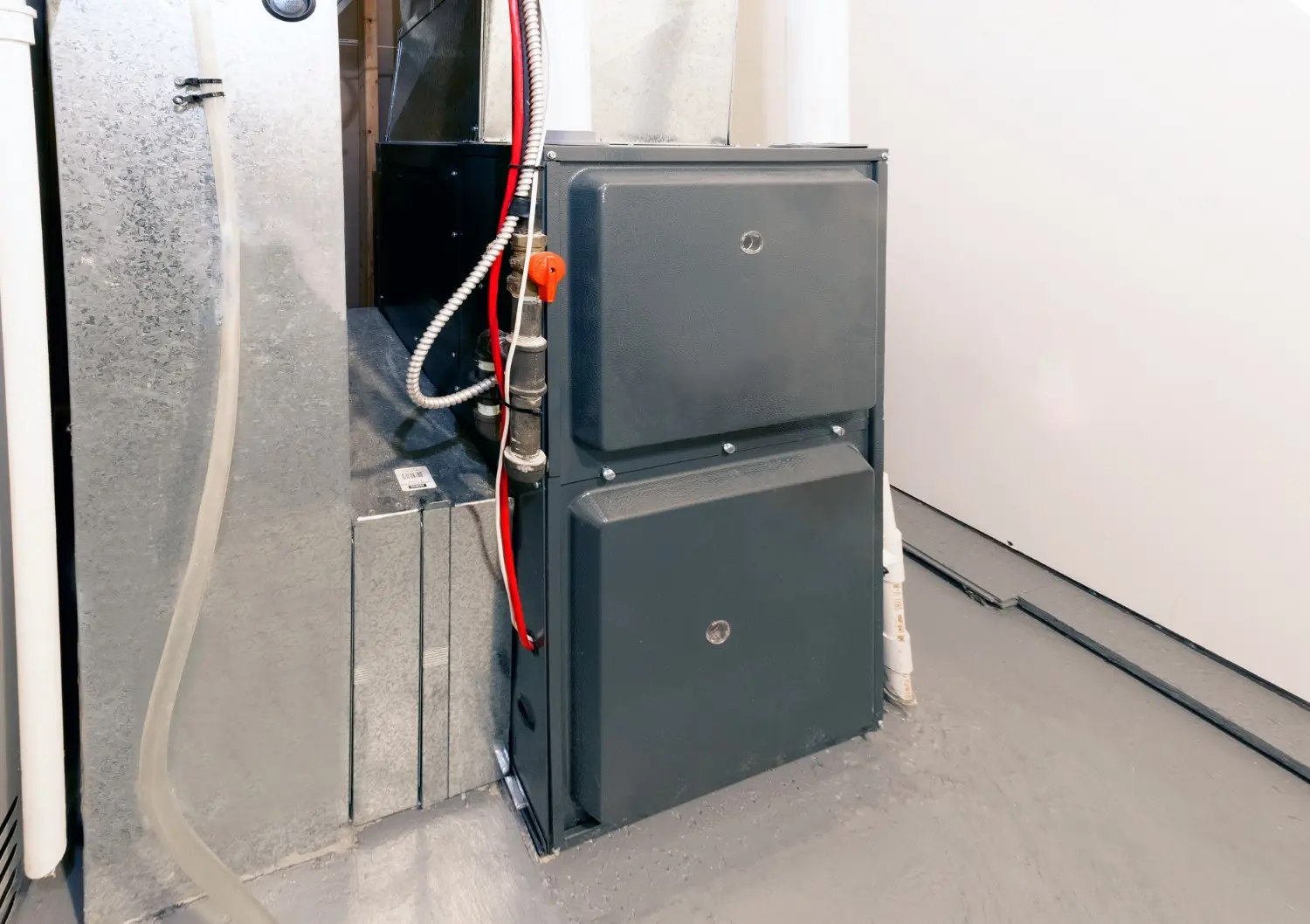
A professional installation follows a rigorous protocol to ensure safety and performance. This is a complex construction project occurring within your mechanical room, attic, or crawlspace. The process is designed to minimize disruption to your daily routine while adhering to strict safety codes.
Step 1: Load Calculation and Sizing
Size matters when it comes to HVAC equipment. A unit that is too large will short-cycle, turning on and off rapidly, which wears out components and wastes fuel. A unit that is too small will run continuously without ever reaching the set temperature.
- Technicians perform a Manual J load calculation.
- This calculation factors in square footage, insulation levels, window types, and the direction your home faces.
- The result determines the exact BTU capacity required to heat your home efficiently.
Step 2: Site Preparation and Removal
Before the new unit arrives, the site must be prepped to ensure a clean install.
- Floor protection is laid down to prevent damage to your property during the transit of heavy equipment.
- Gas and electrical supplies are shut off and disconnected safely.
- The old furnace is disconnected from the plenum and flue pipe.
- The existing unit is removed and hauled away for proper recycling and disposal in accordance with environmental regulations.
Step 3: Installation and Connection
The new equipment is positioned and leveled. This is critical for proper drainage, especially in high-efficiency condensing furnaces that produce water as a byproduct of combustion.
- The supply and return plenums are sealed to the new unit to prevent air leaks.
- Gas lines are reconnected and tested for leaks using localized detection fluid or electronic sniffers.
- Electrical wiring is updated to meet current code requirements, ensuring the unit is grounded properly.
- Flue pipes are installed to vent combustion gases safely outside the home.
Step 4: System Start-Up and Commissioning
Physical installation is only half the job. The system must be commissioned to run according to manufacturer specifications.
- The gas pressure is adjusted to ensure the flame burns clean and blue.
- Temperature rise is measured to verify the air moving through the system is gaining the correct amount of heat.
- Static pressure tests are conducted to ensure the ductwork allows for proper airflow.
- The thermostat is calibrated or replaced to communicate effectively with the new furnace.
Deciding Between Repair and Replacement
Homeowners often struggle with the decision to repair an aging unit or invest in a replacement. While repairs can solve immediate issues, they are often a temporary fix for a system nearing the end of its lifecycle. There are clear technical indicators that suggest replacement is the more financially sound option.
The Age of the System
Furnaces typically last between 15 and 20 years. If your unit is approaching or has surpassed the 15-year mark, major components like the heat exchanger or blower motor are statistically likely to fail. Investing heavily in a repair for a unit of this age is often referred to as "throwing good money after bad."
Frequency and Cost of Repairs
If you have required repairs more than once in the last two years, or if a single repair bill approaches 50% of the cost of a new unit, replacement is the logical choice. As parts wear out, efficiency drops, meaning you pay more for repairs while simultaneously paying more to PG&E for monthly usage.
Safety Concerns
The most critical factor is the integrity of the heat exchanger. This metal chamber contains the combustion process. Over time, the constant expansion and contraction can cause cracks. A cracked heat exchanger allows carbon monoxide, a colorless and odorless gas, to mix with the air circulating in your home. If a technician identifies a crack or significant corrosion in the heat exchanger, the unit must be replaced immediately for the safety of the household.
Uneven Heating and Comfort Issues
If some rooms are boiling while others are freezing, or if the furnace makes excessive rattling, popping, or squealing noises, the system is no longer operating correctly. While ductwork issues can contribute to this, an aging furnace often lacks the power to push air effectively through the home. Modern systems with variable-speed technology solve these distribution problems.
Local Considerations for Heating Upgrades
Operating in San Jose requires specific knowledge of local building codes, utility providers, and climate nuances. A generic installation approach does not work in California’s strictly regulated energy environment.
Permits and Inspections
San Jose enforces strict building codes regarding HVAC installations to ensure safety and energy compliance.
- A permit is required for all furnace replacements.
- The installation must comply with California’s Title 24 energy standards.
- After installation, a third-party HERS (Home Energy Rating System) rater may be required to test the ductwork for leakage.
- Professional installers handle the permitting process, scheduling the city inspection to ensure the job passes all regulatory checks.
PG&E Rebates and Incentives
Replacing an old furnace with a high-efficiency model often qualifies homeowners for rebates. PG&E and regional energy networks frequently offer financial incentives for upgrading to high-AFUE gas furnaces or switching to electric heat pump systems. These programs change annually, so having a provider who understands the current landscape can help you secure available funds to offset installation costs.
Climate-Specific Sizing
While the winters here are mild compared to the Midwest, the humidity levels in the Bay Area can make 50 degrees feel significantly colder. Systems must be sized not just for temperature, but for airflow that manages indoor air quality. Additionally, because the cooling season is long, the furnace blower acts as the air handler for your AC. The installation must account for airflow requirements for both heating in January and cooling in August.
Gas vs. Electric Heat Pumps
California is pushing towards electrification. While natural gas furnaces are still common and effective in San Jose, many homeowners are opting for dual-fuel systems or electric heat pumps. A heat pump can replace both the furnace and the air conditioner, providing heat even in low temperatures. Professional assessment helps determine if your home’s electrical panel can support a switch to electric heating or if a high-efficiency gas furnace remains the best option for your infrastructure.
Why Professional Installation Matters
The quality of the installation is just as important as the brand of the equipment. A top-tier furnace installed poorly will fail sooner and run less efficiently than a mid-range unit installed perfectly.
Technical Expertise
Certified technicians undergo rigorous training to stay updated on the latest HVAC technologies. This includes understanding complex control boards, low-voltage wiring, and thermodynamic principles. This expertise ensures that the equipment performs at the efficiency level listed on the yellow energy sticker.
Warranty Protection
Manufacturers of heating equipment require proof of professional installation to honor their warranties. DIY installations or work performed by unlicensed handymen will void these warranties, leaving you liable for the full cost of future parts replacements. Professional service includes registering the equipment warranty on your behalf.
Safety Guarantees
Handling natural gas and high-voltage electricity carries inherent risks. Licensed professionals carry liability insurance and workers' compensation, protecting the homeowner from financial risk in the event of an accident. Furthermore, rigorous testing for gas leaks and carbon monoxide ensures the home is safe for occupancy immediately after the job is done.
Proper Disposal
The removal of an old furnace involves handling bulky, sharp, and dirty equipment. Professional services include the safe removal and recycling of the old unit. This keeps scrap metal out of landfills and ensures any hazardous materials are handled according to environmental guidelines.
Your Path to Efficient Home Heating Begins Today
Ensuring your home remains warm and safe requires proactive decision-making and professional execution. Whether you are dealing with a complete breakdown or looking to upgrade for efficiency, the right solution is available. MyHappyHome is ready to assist you in selecting and installing the ideal heating system for your property.

Get happy home tips delivered to your inbox.
Join the growing family of homeowners who have said goodbye to stress and hello to simple, worry-free living. With MyHappyHome, you're not just getting a service plan, you're getting a partner dedicated to your happiness.