Furnace Installation & Replacement in Albuquerque, NM

Is Your Heating System Failing When You Need It Most?
When your furnace quits in the middle of a chilly winter night, you need a reliable solution, and fast. Contact us immediately to schedule an assessment or apply for financing to restore your home's comfort. At MyHappyHome, we ensure your home quickly returns to warmth with top-rated furnace installation and replacement services in Albuquerque, NM.
- Experienced technicians ready 24/7 to restore your home’s warmth.
- Streamlined installation process designed for Albuquerque’s unique climate needs.
- Transparent pricing with no hidden fees, ensuring affordability.
All installations are fully licensed, meet local codes, and come with a comprehensive warranty.
What to Expect From a Modern Furnace Installation
Replacing a heating system is a significant investment in your property and your long-term comfort. A modern installation goes far beyond simply swapping out a metal box. It involves a comprehensive upgrade to your home’s thermal regulation system. When we arrive at your home in Albuquerque, we focus on matching the specific heating load of your living space with a unit that offers optimal efficiency and longevity.
Current furnace technology has advanced significantly over the last decade. Homeowners now have access to variable-speed blowers and modulating gas valves that adjust heating output in small increments. This technology eliminates the uncomfortable temperature swings often associated with older, single-stage furnaces. Instead of blasting full heat and then shutting off, modern systems maintain a steady temperature, which is particularly beneficial during the cold, high-desert nights common in New Mexico.
The scope of a professional replacement includes several critical components:
- Load Calculation: We perform a precise calculation based on your home’s square footage, insulation levels, window types, and orientation to determine the exact BTU output required.
- Ductwork Inspection: Existing ductwork is examined for leaks, disconnected joints, or insulation failures that could compromise the efficiency of the new unit.
- System Compatibility: We ensure the new furnace integrates seamlessly with your existing thermostat, air conditioner, and indoor air quality add-ons.
- Safety Compliance: Every unit is installed with updated gas line connections, flue venting, and electrical wiring that meets current safety standards.
- Disposal: The removal and environmentally responsible disposal of your old, defunct unit is handled entirely by our team.
The Installation Process: Step-by-Step
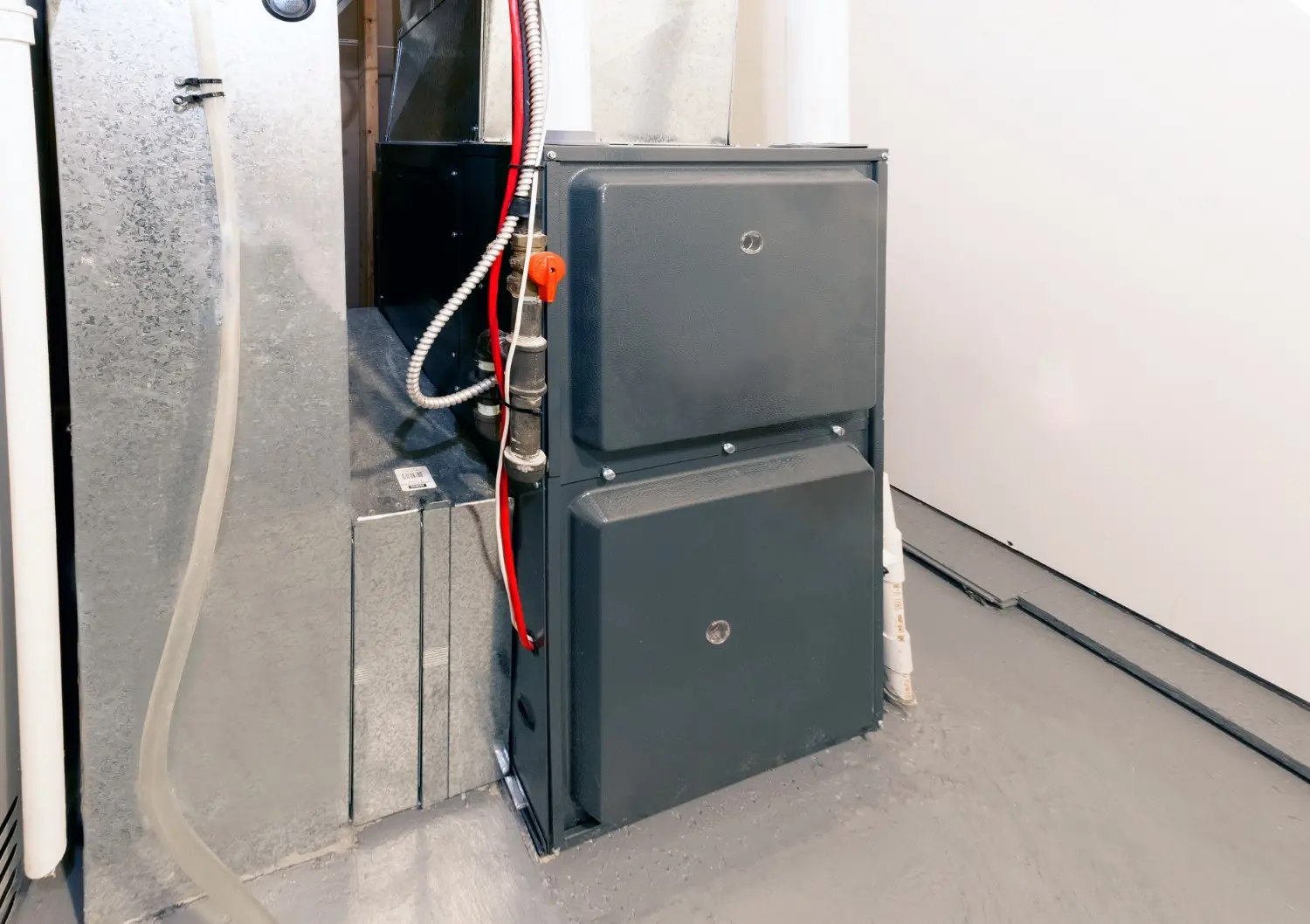
Understanding the timeline and workflow of a furnace replacement helps reduce anxiety during the project. We prioritize a structured approach to minimize disruption to your daily routine while ensuring technical precision. When you choose MyHappyHome for your installation, you are choosing a protocol that prioritizes safety and cleanliness.
Site Preparation and Protection:
- The workspace is prepared first. We lay down drop cloths and protective coverings to shield your flooring and furniture from dust and debris.
- Power and gas supplies to the existing unit are shut off to ensure a safe working environment.
- Clear pathways are established to facilitate the safe removal of the heavy equipment.
Removal of the Old Unit:
- Technicians carefully disconnect the gas lines, electrical wiring, and venting systems.
- The plenum (the box connecting the furnace to the ductwork) is detached.
- The old furnace is removed from the premises to prevent clutter and safety hazards.
System Positioning and Connection:
- The new furnace is positioned and leveled. Proper leveling is crucial for the drainage of condensate (in high-efficiency models) and quiet operation.
- The plenum is reattached or replaced if necessary to ensure an airtight seal.
- Gas lines are reconnected using new fittings and tested for leaks using electronic detectors.
- Electrical connections are wired into the unit’s control board.
- The flue pipe is installed to ensure carbon monoxide and other combustion gases are safely vented outside the home.
Commissioning and Testing:
- The system is powered on, and the gas pressure is adjusted to the manufacturer’s specifications.
- We measure the temperature rise, the difference between the air entering and leaving the furnace, to confirm it falls within the rated range.
- All safety switches, including the limit switch and rollout switch, are tested to ensure they function correctly in an emergency.
Final Walkthrough:
- We guide you through the operation of the new system, showing you how to change filters and operate the thermostat.
- Maintenance requirements are explained to help you protect your warranty.
When Replacement Is a Better Investment Than Repair
Deciding between repairing an aging unit and investing in a replacement is a common dilemma. While repairs may seem cheaper upfront, they often act as a temporary bandage on a failing system. In the long run, pouring money into a furnace that is nearing the end of its lifecycle results in diminishing returns. There are clear indicators that signal a replacement is the smarter financial and functional choice.
- The Age of the Unit: Most gas furnaces have a lifespan of 15 to 20 years. If your unit is approaching or has surpassed this age range, critical components like the heat exchanger are at higher risk of failure. A cracked heat exchanger is not only expensive to fix but also poses a serious carbon monoxide risk.
- The 50% Rule: Industry experts often recommend the "50% Rule." If the cost of the repair approaches 50% of the cost of a new system, replacement is the better option. This is especially true for older units, as a major repair today does not guarantee another component won't fail next month.
- Rising Energy Bills: Older furnaces lose efficiency over time due to wear and tear. If you notice a steady increase in your heating costs despite normal usage, your furnace is likely working harder to produce the same amount of heat. Upgrading to a modern unit with a high AFUE (Annual Fuel Utilization Efficiency) rating can significantly lower monthly utility bills.
- Uneven Heating and Comfort Issues: If some rooms in your house are freezing while others are roasting, or if you constantly hear rattling, popping, or humming noises, the internal mechanism of the furnace is likely compromised. Modern systems offer better airflow and zoning capabilities to eliminate these hot and cold spots.
- Frequency of Breakdowns: A furnace that requires multiple service calls in a single season is unreliable. The cumulative cost of service fees, parts, and the inconvenience of being without heat justifies the transition to a new system with a fresh warranty.
Local Considerations for Heating in the High Desert
Operating a furnace in the high desert presents specific challenges and requirements distinct from other regions. While winters in this area are generally considered mild compared to the northern states, the temperature drops significantly at night. The high altitude also plays a role in how gas furnaces operate.
- Altitude Derating: At higher elevations, the air is thinner, which affects the oxygen-to-fuel ratio in combustion engines and furnaces. Standard furnaces may need to be "derated," meaning the gas flow is adjusted to ensure proper combustion. Failing to account for altitude can lead to soot buildup, inefficient burning, and reduced equipment lifespan.
- Humidity Control: The air in this region is exceptionally dry, often dropping below 30% relative humidity. When a furnace heats this dry air, it can become uncomfortable for occupants, causing dry skin and static electricity. During installation, it is often the best time to consider integrating a whole-home humidifier into the HVAC system to maintain indoor air quality and protect wood furniture and flooring.
- Permitting and Code Compliance: Local building codes in Albuquerque are strict regarding gas appliances. Permits are required for all new furnace installations to ensure the work is done correctly and safely. This includes verifying proper venting distances from windows and doors, ensuring gas line materials meet code, and confirming electrical dedicated circuits are appropriate. A professional installation includes handling all permitting paperwork and scheduling the required city inspections.
- Gas vs. Electric: While gas is the most common heating fuel in the area, some homeowners consider heat pumps. However, given the sharp temperature drops overnight, a gas furnace often provides more immediate and intense heat than an electric heat pump can manage alone. Dual-fuel systems, which combine an electric heat pump with a gas furnace backup, are becoming an increasingly popular option for local homeowners looking to balance efficiency with power.
Why Professional Sizing and Installation Matters
The most important day in the life of a furnace is the day it is installed. Even the highest-rated brand will underperform and fail prematurely if it is installed incorrectly. The nuances of airflow, gas pressure, and electrical grounding require specialized tools and training.
- Avoiding Short-Cycling: An oversized furnace is not "better." If a unit is too large for the square footage, it will heat the space too quickly and shut off. This process, known as short-cycling, causes excessive wear on the starter motor and heat exchanger. It also prevents the system from running long enough to filter the air properly. Conversely, an undersized unit will run continuously, never reaching the set temperature and driving up energy costs.
- Warranty Protection: Manufacturers of heating equipment include strict clauses in their warranty documentation. They almost universally require proof of installation by a licensed HVAC contractor. DIY installations or work performed by unlicensed handymen usually voids the warranty immediately, leaving the homeowner liable for future part failures.
- Safety Assurance: Furnaces involve combustible gas, high-voltage electricity, and exhaust gases. A minor leak in a gas line or a flue pipe that is not properly pitched can lead to fire hazards or carbon monoxide poisoning. Professional installers use manometers to check gas pressure and combustion analyzers to verify the safety of the exhaust, providing peace of mind that your family is safe.
- Efficiency Verification: A professional install includes balancing the ductwork. If the return air ducts are too small for the new furnace’s blower power, the system will starve for air, reducing efficiency and potentially overheating the motor. Professionals measure static pressure to ensure the ductwork can handle the airflow required by the new equipment.
Securing Your Home’s Comfort
Winter weather can be unpredictable, but your heating system shouldn't be. Ensuring your furnace is installed correctly, sized appropriately, and backed by a solid warranty is the best way to protect your home against the cold nights of the high desert. Whether you are upgrading an ancient unit to save on energy bills or facing an emergency replacement, the quality of the installation determines the future performance of the system.
Do not wait until the temperature drops to zero to address heating issues. Secure your installation now to ensure a warm, safe, and energy-efficient winter season.
Ready to upgrade your home’s heating system? Contact us today to schedule your consultation and get a free estimate.

Join MyHappyHome
Join the growing family of homeowners who have said goodbye to stress and hello to simple, worry-free living. With MyHappyHome, you're not just getting a service plan, you're getting a partner dedicated to your happiness.