

Electrical Installation & Upgrade in Seattle, WA

Outdated Wiring and Overloaded Panels Create Unnecessary Safety Risks
Flickering lights, tripping breakers, and the inability to run multiple appliances simultaneously are clear signs that your home’s electrical infrastructure is failing to keep up with modern demand. Contact MyHappyHome today to schedule a safety inspection or inquire about our flexible financing options.
Many homeowners in Seattle find themselves managing electrical systems that were installed decades ago, long before the era of high-consumption devices, electric vehicles, and smart home technology. Ignoring these warning signs can lead to damaged electronics, fire hazards, and potential code violations that complicate future property sales. MyHappyHome provides comprehensive electrical solutions designed to modernize your property and ensure safety.
- Quick, reliable installations and upgrades that strictly adhere to all Seattle City Light regulations and safety codes.
- Same-day service availability to restore power and functionality with minimal disruption to your household.
- Transparent, upfront assessments that clearly outline the scope of work without hidden costs.
- Fully licensed, bonded, and insured electricians dedicated to protecting your home and family.
Comprehensive Electrical Installation and Upgrade Solutions
Modernizing a home’s electrical system is not merely about swapping out a few outlets; it is about ensuring the "central nervous system" of your property can handle the load of modern living. When you schedule professional service, you receive a holistic approach that evaluates your current capacity against your future needs. The scope of an electrical upgrade varies depending on the age of the home and the specific goals of the homeowner, but the objective remains the same: safety, efficiency, and compliance.
Service Panel Upgrades and Replacements
The electrical panel is the heart of your system. Many older homes in the Pacific Northwest still operate on 60-amp or 100-amp panels which are insufficient for today’s energy standards. An upgrade typically involves replacing these outdated units with a 200-amp panel. This service includes the removal of the old box, installation of new circuit breakers, and proper grounding of the system. This upgrade is essential for homeowners looking to add central air conditioning, hot tubs, or electric vehicle charging stations.
Whole-Home Rewiring
For properties with aging infrastructure, such as knob-and-tube or aluminum wiring, a complete rewire may be necessary. This process replaces dangerous, ungrounded wiring with modern copper wiring that includes a ground wire for safety. This service covers the installation of new receptacles, switches, and the routing of wires behind walls with minimal damage to drywall. It ensures that every outlet in the house is grounded and capable of tripping the breaker correctly in the event of a fault.
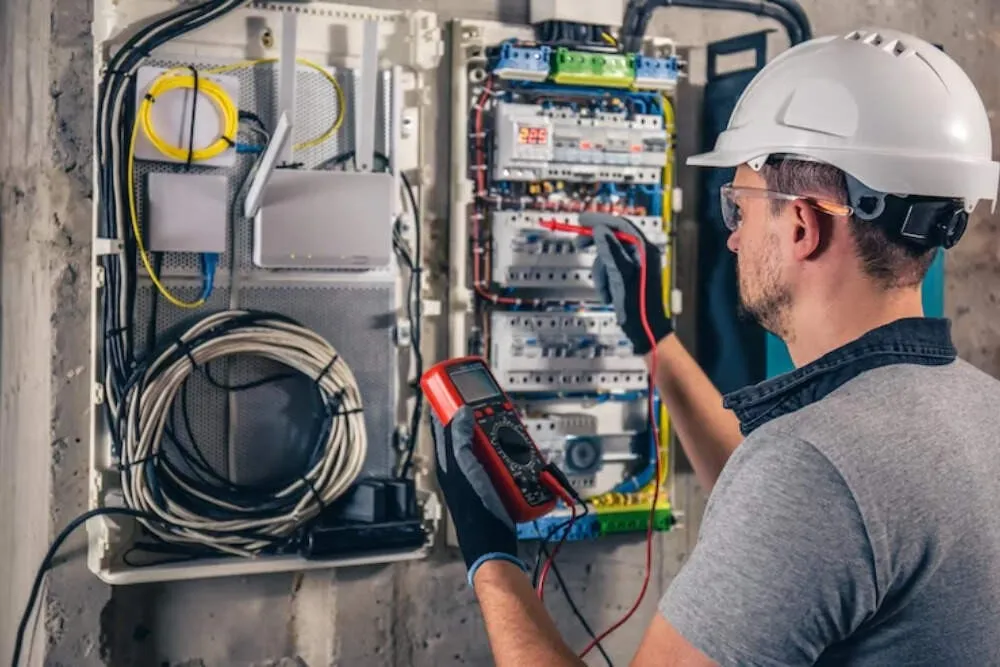
Dedicated Circuit Installation
Certain high-power appliances require their own dedicated pathway to the electrical panel to prevent overloading. Professional installation includes running new lines specifically for appliances such as refrigerators, dryers, ranges, and HVAC systems. This segregates heavy loads from general lighting and outlet circuits, significantly reducing the risk of tripped breakers and voltage drops that can damage sensitive electronics.
Electric Vehicle (EV) Charger Station Installation
As electric vehicle adoption grows in Seattle, the demand for Level 2 home charging stations has increased. This installation involves running 240-volt wiring from the main panel to the garage or exterior parking area. The service includes load calculation to ensure the current panel can handle the additional draw, mounting the charging unit, and hardwiring or installing a heavy-duty NEMA outlet.
Lighting Design and Installation
Upgrading lighting goes beyond aesthetics; it improves functionality and energy efficiency. Services include the installation of recessed lighting (can lights) for a streamlined look, under-cabinet lighting for kitchens, and motion-sensor security lighting for exteriors. Technicians ensure that all fixtures are IC-rated (Insulation Contact) where necessary and compatible with modern dimmer switches and smart home hubs.
The Installation Process: From Assessment to Final Inspection
Understanding the workflow of a major electrical project helps homeowners prepare for the work ahead. Professional execution follows a rigid structure to ensure quality control and safety at every stage.
- Initial Site Assessment: The process begins with a thorough evaluation of the existing electrical system. Technicians examine the main service panel, check grounding systems, and inspect accessible wiring in attics or basements. This stage identifies code violations and determines the feasibility of desired upgrades.
- Load Calculation and Planning: Before any wire is cut, a load calculation is performed. This mathematical assessment determines if the existing electrical service (the power coming from the utility) is sufficient for the proposed additions. If the demand exceeds supply, a service upgrade from the utility company may be required.
- Permitting and Coordination: Electrical work requires strict adherence to local regulations. The service provider handles the acquisition of all necessary electrical permits. This step often involves coordination with local utility providers to schedule temporary power disconnects if the main panel is being replaced.
- Rough-In Phase: For renovations or rewiring, the "rough-in" involves drilling holes in framing and pulling new wires to the locations of boxes. At this stage, wires are not yet connected to devices, but the infrastructure is laid out.
- Trim-Out and Device Installation: Once walls are closed or the rough-in is complete, technicians install the actual devices—outlets, switches, fixtures, and the panel internals. Every connection is torqued to manufacturer specifications to prevent arcing.
- Testing and Verification: The system is energized and rigorously tested. Technicians check for proper polarity, voltage drop, and ground fault protection. Arc Fault Circuit Interrupters (AFCI) and Ground Fault Circuit Interrupters (GFCI) are tested to ensure they respond correctly to faults.
- Final Inspection: A municipal inspector reviews the work to certify it meets all safety codes. Only after this sign-off is the project considered complete.
Deciding Between Repair and Full Replacement
Homeowners often hesitate between applying a quick fix and investing in a full replacement. While repairs are suitable for minor issues like a loose outlet or a single faulty breaker, systemic issues require a more aggressive approach. Making the right decision depends on the age of the components and the frequency of the problems.
- Persistent Breaker Trips: If a breaker trips occasionally, it may be doing its job protecting a temporary overload. However, if breakers trip daily or won't reset, the panel itself may be compromised, or the circuit is permanently overloaded, necessitating a panel upgrade or new circuit installation.
- Presence of Knob-and-Tube Wiring: Common in older Seattle homes constructed before the 1950s, knob-and-tube wiring lacks a ground wire and utilizes insulation that degrades over time. This is not a candidate for repair; it requires full replacement to meet insurance requirements and ensure safety.
- Scorch Marks or Burning Smells: Any evidence of heat damage on outlets, switches, or the electrical panel indicates a critical failure. Repairing the specific outlet is often insufficient because the heat damage suggests loose connections or overloading elsewhere in the circuit. Replacement of the affected circuit branch is the only safe option.
- Two-Prong Outlets: If a home relies on two-prong outlets, it lacks a grounding system. Using adapters is a temporary and unsafe workaround. To protect modern electronics and appliances, the system must be upgraded to three-prong, grounded standards, which involves rewiring or specific circuit breaker upgrades.
- Rust and Corrosion: Electrical panels located in damp basements or garages can suffer from corrosion. Rust on the bus bar or breakers impedes the flow of electricity and creates fire risks. Corroded panels cannot be refurbished; they must be replaced with NEMA-rated enclosures suitable for the environment.
Navigating Local Requirements and Environmental Factors
Electrical work in the Pacific Northwest requires specific attention to local codes and environmental conditions. The moist climate presents unique challenges that standard electrical installations may not address without local expertise.
- Seattle City Light Regulations: All major electrical alterations must comply with the specific requirements set forth by Seattle City Light. This includes strict rules regarding meter placement, service mast height, and clearance from windows or decks. Professional electricians manage the specific filing and inspection requests required by the utility to avoid project delays.
- Moisture and Weatherproofing: Given the high precipitation levels from November through March, outdoor electrical installations require robust weatherproofing. Exterior outlets must have "in-use" covers that protect the connection even when a cord is plugged in. Outdoor lighting and EV chargers must carry appropriate wet-location ratings to prevent water ingress and short circuits.
- Seismic Considerations: Local codes also incorporate seismic strapping requirements for certain electrical equipment to ensure stability during earthquake activity. Heavy fixtures and conduit runs must be secured according to regional structural standards.
- Seasonality of Work: While indoor electrical upgrades can happen year-round, major service entrance upgrades that require exterior work are often best scheduled during the drier summer months. However, emergency panel replacements are conducted year-round with temporary weather protection measures in place.
The Value of Professional Execution Over DIY
While the internet offers tutorials for nearly every home repair, electrical work falls into a category where the margin for error is non-existent. Professional execution ensures that the invisible hazards of electricity are managed correctly. MyHappyHome prioritizes the technical accuracy that protects property value and life.
- Code Compliance and Resale Value: Unpermitted electrical work is a major red flag during real estate transactions. Home inspectors can easily identify non-compliant wiring, forcing homeowners to pay for costly retrofits or lower their asking price. Professional work comes with the necessary paper trail and permits to prove the home is safe and up to code.
- Load Balancing: A professional electrician balances the electrical load across the two phases of the home’s service. Improper balancing results in inefficiency and potential flickering, a nuance often missed in amateur installations.
- Proper Tooling and Torquing: Modern electrical codes specify exact torque values for wire connections in breakers and panels. Under-tightening leads to arcing and fire; over-tightening crushes the wire and causes breaks. Professionals use torque screwdrivers to ensure connections adhere to manufacturer specifications.
- Insurance Requirements: Many homeowners insurance policies contain clauses that deny claims related to unpermitted or amateur electrical work. Hiring a licensed professional ensures that the work is covered, protecting the homeowner from financial liability in the event of an accident.
- Warranty and Long-Term Reliability: Professional installations come with labor and parts warranties. If a component fails prematurely, the homeowner has recourse. This contrasts with DIY repairs, where the cost of failure falls entirely on the homeowner.
Schedule Your Electrical Inspection Today
Securing a home’s electrical system is an investment in safety and modern functionality. Whether the goal is to accommodate a new electric vehicle, renovate a kitchen, or simply sleep soundly knowing the wiring is safe, professional intervention is the only viable path. MyHappyHome delivers the expertise required to navigate local codes and complex wiring challenges.
Ensure your home is powered safely and efficiently for years to come.
Secure Your Electrical System Inspection Now

Get happy home tips delivered to your inbox.
Join the growing family of homeowners who have said goodbye to stress and hello to simple, worry-free living. With MyHappyHome, you're not just getting a service plan, you're getting a partner dedicated to your happiness.